
Last updated October 16, 2026
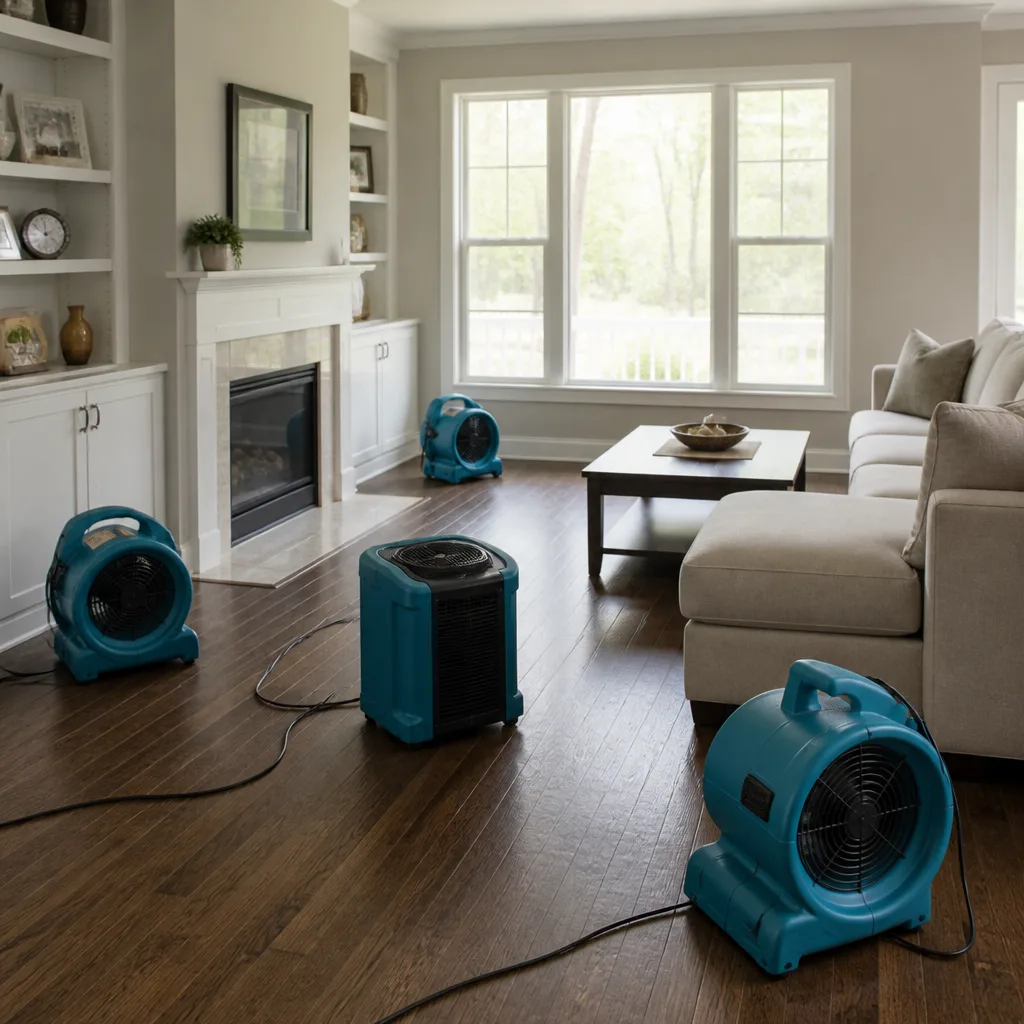 Water damage drying
 Fire & smoke cleanup
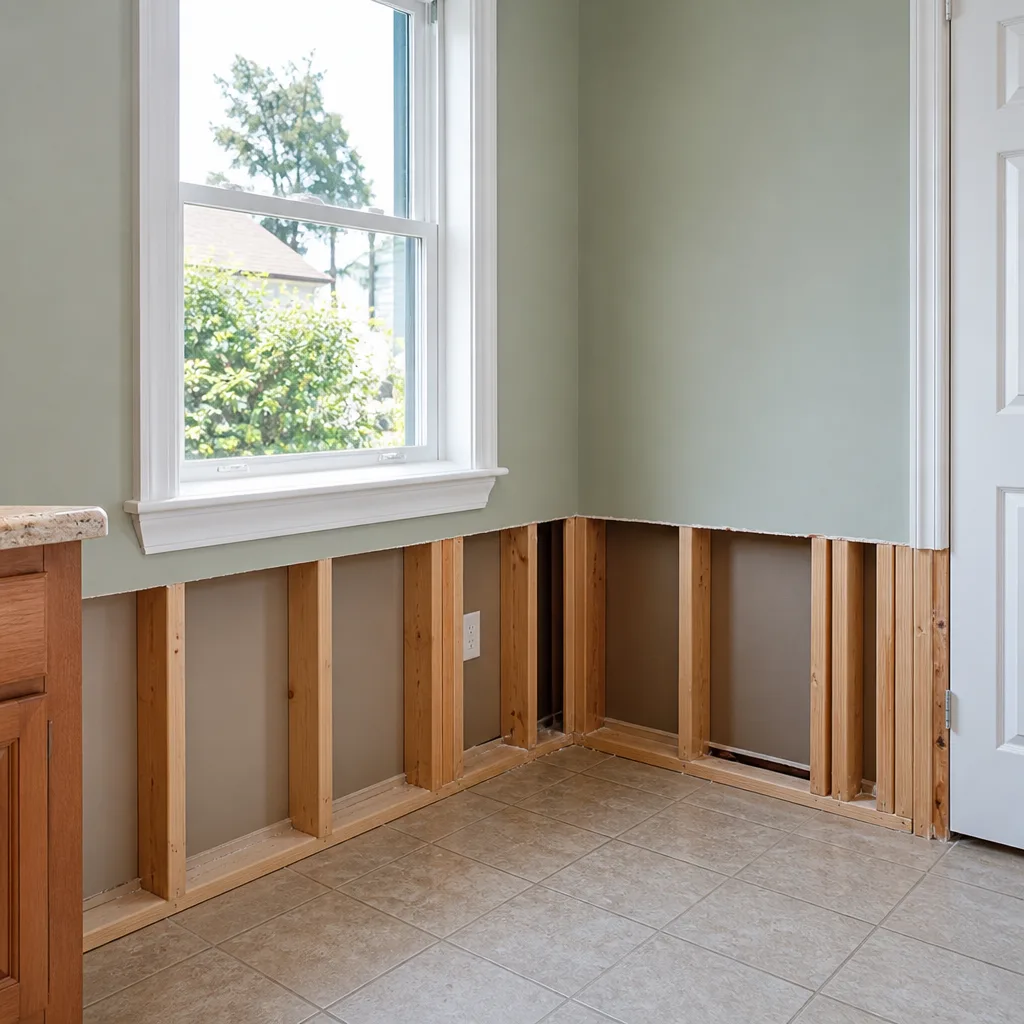 Mold remediation
 Storm response
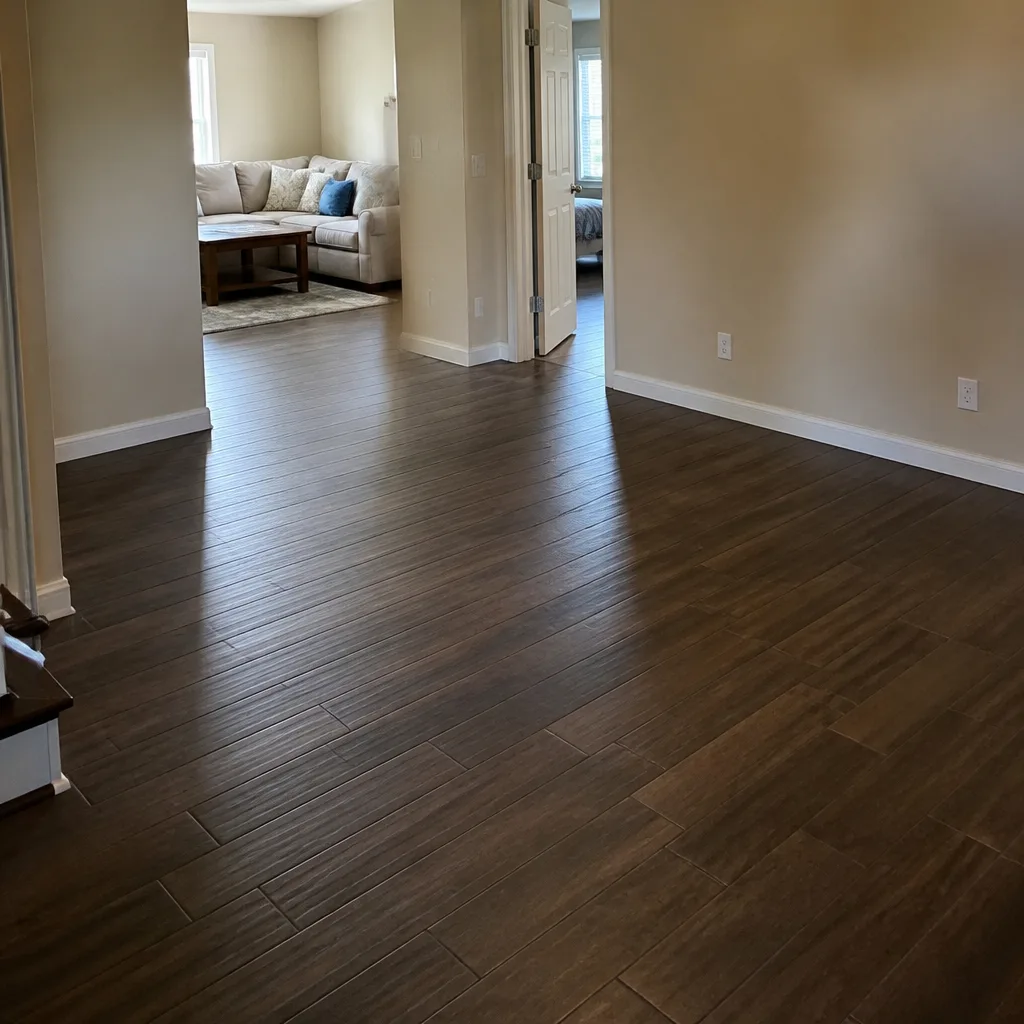 Sewage cleanup
 Reconstruction
Free visual inspection and a written scope of work before any mitigation begins - photos, moisture readings, and drying logs go in your claim file
The scope we write is the scope we bill. Anything new gets shown to you, in writing, before we touch it.
Get your free estimateHow to Hire a Damage Restoration Contractor in Sacramento: A Step-by-Step Guide
California’s Contractors State License Board received over 19,000 complaints in a recent year, and unlicensed restoration work after a claim can void your homeowner’s policy. Yet most Sacramento homeowners choose a restorer based on the first Google result they see while standing in a wet room at 2 a.m. This guide flips that script. You’ll learn how to vet a contractor before disaster hits, what to ask when it does, and how to spot the red flags that show up after every atmospheric river rolls through Sacramento. For a deeper dive, see our Complete Guide to Damage Restoration in Sacramento.
Quick Answer
To hire a damage restoration contractor in Sacramento, verify their CSLB license (C-61/D-63 or General B depending on scope), insist on a written scope and price before any work begins, and confirm they carry liability insurance and workers’ compensation. Ask five specific questions before equipment enters your home, and be especially cautious after major storms when out-of-town contractors flood the Sacramento market.
Restoration work we handle
Table of Contents
- Why Timing Is the Hidden Variable in Every Hire
- How to Verify a Sacramento Contractor’s License in Under Two Minutes
- Five Questions to Ask Before Any Equipment Enters Your Home
- Red Flags Specific to Sacramento’s Post-Storm Contractor Surges
- How to Compare Bids When Contractors Quote Differently
- What Written-Price-First Actually Means in Practice
- Working With Your Homeowner’s Insurance Without Losing Control
- Choosing a Contractor Before You Need One
Why Timing Is the Hidden Variable in Every Hire
The decision you make in the first 45 minutes after discovering water damage will shape everything that follows: the quality of the dryout, the final invoice, and whether your claim gets approved. Sacramento’s dry summers create a false sense of security, but when an atmospheric river stalls over the Central Valley or a supply line fails behind a wall in Land Park, the clock starts immediately. Our Seasonal Damage Restoration Care for Sacramento: Year-Round Homeowner’s Guide explains how to prepare for each season’s specific risks.
Here’s what most homeowners don’t realize: restoration contractors know you’re calling under duress. The reputable ones build their process around that reality by slowing things down just enough to give you clear information. The less reputable ones use your urgency against you.
We’ve walked into homes where a homeowner signed an assignment of benefits form before they even knew what the document meant. In Sacramento, post-storm surges bring an influx of out-of-state crews who work door-to-door in affected neighborhoods like Natomas, Rosemont, and Pocket-Greenhaven. Some are legitimate. Many are not.
The solution is simple: make your hiring decision before you need it. If you’re reading this after the fact, the framework below still works. It just requires you to slow down by about 20 minutes, ask the right questions, and refuse to be rushed. A good contractor will respect that. A bad one will push back.
How to Verify a Sacramento Contractor’s License in Under Two Minutes
Every damage restoration contractor working in Sacramento must hold a valid license from the California Contractors State License Board (CSLB). The specific classification matters, and this is where homeowners get confused.
For water damage restoration, mold remediation, and fire damage restoration, a contractor typically operates under one of two classifications:
- C-61 / D-63 (Limited Specialty: Water Damage Restoration): This classification covers the drying, dehumidification, and structural cleaning of water-damaged buildings. It’s the specific license for restoration work.
- General B (General Building Contractor): Required when the job extends beyond restoration into reconstruction, such as replacing drywall, flooring, or structural framing.
Many restoration projects in Sacramento start as C-61 work and transition into General B scope if rebuilding is required. A reputable contractor will tell you upfront which license applies and may partner with a licensed general contractor for the rebuild phase.
How to verify in under two minutes:
- Go to the CSLB website (cslb.ca.gov) and click “Check a License.”
- Enter the contractor’s name or license number. Ask the contractor for their number directly. If they hesitate, that’s your answer.
- Confirm the classification matches the work being proposed. A C-61 holder cannot legally rebuild your wall framing.
- Check the license status. It should read “Active” with no suspension or disciplinary actions listed.
- Verify workers’ compensation coverage. In California, any contractor with employees must carry workers’ comp. If the contractor claims to be a sole proprietor without employees, they still need a valid exemption on file.
Sacramento sits in a state with some of the strictest contractor licensing requirements in the country. That’s to your advantage. A licensed contractor has passed background checks, posted a bond, and agreed to CSLB oversight. An unlicensed operator has done none of those things and may not be recoverable if something goes wrong.
Five Questions to Ask Before Any Equipment Enters Your Home
You don’t need to be a restoration expert to screen a contractor. You need five questions and the willingness to walk away if the answers don’t satisfy you.
Question 1: Will you provide a written scope and price before work begins?
This is the non-negotiable filter. If the answer is anything other than an immediate yes, end the conversation. A written scope lists exactly what will be done, which equipment will be placed where, and what the homeowner will pay. Verbal estimates in restoration almost always grow. At Tidemark Water Damage Sacramento home, a written price is delivered before any work starts on every job, with no exceptions. If a contractor won’t put it in writing, they’re reserving the right to change the number later.
Question 2: Are your technicians background-checked and do they arrive with floor protection?
Your home is about to become a worksite for several days. The people entering it matter. Ask directly about background checks and what the crew does to protect floors and furnishings before equipment comes in. The answer you want: shoe covers go on at the door, drop cloths cover the floor before the first piece of equipment is unloaded. This should be standard, not an upsell.
Question 3: What certifications do your technicians hold?
The restoration industry has three recognized credentialing bodies: the IICRC (Institute of Inspection, Cleaning and Restoration Certification), the RIA (Restoration Industry Association), and the IFA (Institute of Inspection, Cleaning and Restoration Certification’s affiliate programs). Credentialed technicians have passed exams on water damage restoration, applied structural drying, and mold remediation. Ask which certifications the crew holds. A vague answer means untrained labor with a truck.
Question 4: How do you determine where the water actually traveled?
This question separates restoration companies from extraction companies. Water moves through building materials in predictable but invisible ways. A tide mark, the line water leaves on a wall, is the first thing a trained technician looks for. The answer you want includes moisture meters, thermal imaging, and a systematic approach to finding the full extent of water migration before drying begins. If the answer is “we’ll just set up some fans,” you’re talking to the wrong contractor.
Question 5: Who coordinates with my insurance adjuster, and how do you document the damage?
Restoration and insurance are intertwined in almost every Sacramento water damage claim. A good contractor documents everything with photos, provides detailed moisture mapping, and communicates directly with your adjuster. Ask how documentation works. The answer you want: photos of every affected area before, during, and after drying, shared with you and your adjuster. At a minimum, ask for a photo of the clean-up before the crew leaves.
Red Flags Specific to Sacramento’s Post-Storm Contractor Surges
Sacramento’s geography makes it uniquely vulnerable to a specific pattern: after a major atmospheric river event, the market floods with out-of-state restoration crews. They arrive within 48 hours, work door-to-door in hard-hit neighborhoods, and often leave before problems surface. Here’s what to watch for.
Door-to-door solicitation after a storm
Legitimate local restoration companies in Sacramento do not need to knock on doors after a storm. They have established referral networks, existing customer bases, and a reputation within the community. Door-knocking after a disaster is the single strongest predictor of a problematic contractor. In neighborhoods like East Sacramento and Tahoe Park, we’ve seen homeowners sign contracts with crews who were gone from the state within a week.
Pressure to sign assignment-of-benefits forms immediately
An assignment of benefits (AOB) transfers your rights to bill your insurance company from you to the contractor. In some cases, AOBs are legitimate and streamline the claims process. In the wrong hands, they’re a blank check. A contractor who pressures you to sign an AOB within minutes of arriving, before any scope is discussed, is a red flag. You have the right to understand what you’re signing and to consult your insurance company first.
Verbal-only pricing
“We’ll work it out with your insurance” is not a price. It’s an open-ended liability positioned as a convenience. Any contractor who refuses to produce a written estimate before starting work is betting that your urgency will override your judgment. Don’t take that bet.
Out-of-state license plates and unmarked vehicles
Legitimate restoration companies operating in Sacramento display their name and license number on their vehicles. An unmarked truck with out-of-state plates is evidence of a company that may not be licensed to operate in California at all. Ask to see the physical license. It should match the name on the vehicle and the name on the estimate.
Requests for full payment upfront
In California, contractors may request a down payment of up to 10% or $1,000, whichever is less, for most residential work. Restoration has some exceptions when insurance is involved, but a demand for full payment in cash before any work begins is a violation of state law. Walk away.
How to Compare Bids When Contractors Quote Differently
One of the most frustrating parts of hiring a restoration contractor in Sacramento is comparing estimates that don’t look anything alike. One contractor quotes by affected area. Another quotes by equipment days. A third submits a lump sum with a vague scope. Here’s how to translate them into a usable comparison.
The translation table:
- Per square foot of affected area: Common for water extraction and initial mitigation. This should include labor, equipment setup, and monitoring for the affected area only.
- Per equipment day: A per-day charge for each piece of drying equipment (air movers, dehumidifiers, air scrubbers). This gives you a clear picture of daily operating cost but requires an estimate of how many days drying will take.
- Lump sum with scope: A single price tied to a written scope of work. This is the easiest to compare but only if the scope is detailed enough to know exactly what’s included.
- Time and materials: An hourly rate plus materials cost, usually with a not-to-exceed cap. Common in complex jobs but open-ended by design.
When comparing bids, ask each contractor to convert their estimate to a single number with a written scope attached. If one contractor quotes $4,800 by affected area and another quotes $5,600 as a lump sum, the lump sum might actually be cheaper if the per-area quote doesn’t include equipment setup, monitoring visits, or final documentation.
Also ask about what’s excluded. Does the quote include content manipulation, the moving and resetting of furniture? Does it cover the final moisture readings and documentation your adjuster will require? Does it include the antimicrobial application after drying is complete? A lower price with more exclusions is often the more expensive option once the inevitable change orders arrive.
What Written-Price-First Actually Means in Practice
The Cedarwell Care Promise, the standard behind Water Damage Restoration in Sacramento services at Tidemark, is built around a single non-negotiable rule: a written price is delivered before any work starts. Here’s what that looks like from the homeowner’s perspective.
You call after discovering a supply line leak under your kitchen sink. Water has spread into the adjacent dining room. A technician arrives, walks the affected area, and begins mapping the damage. Moisture readings are taken. The extent of water migration is identified. Then, before a single piece of equipment is unloaded from the truck, you receive a written scope and price.
That document lists what will be done, which equipment will be placed where, how many days drying is expected to take, and what the total cost will be. You sign it. Work begins. When the job is complete, the final invoice matches the written price unless you approved a change in scope along the way.
That last part matters. Restoration sometimes reveals hidden damage: water inside a wall cavity, mold behind baseboards, subfloor saturation that wasn’t visible on day one. A written-price-first contractor returns with a written change order, explains what was found, and gets your approval before proceeding. The price changes, but only with your informed consent.
This is the difference between a contractor who works for you and a contractor who works on your house. One is accountable to a document. The other is accountable to nothing.
Working With Your Homeowner’s Insurance Without Losing Control
Most Sacramento water damage restoration projects involve an insurance claim. That’s normal, and a good contractor works smoothly with adjusters. But the relationship between contractor, homeowner, and insurance company needs clear boundaries.
Your insurance policy is a contract between you and your insurance company. The contractor is your vendor, not the insurance company’s employee. You choose the contractor. The insurance company may recommend a preferred vendor, but California law gives you the right to select your own restoration company.
Here’s how to keep control of the process:
- Notify your insurance company immediately when damage occurs. Most policies require prompt notification, and delays can affect your claim.
- Ask the contractor to document everything. Photos of the affected area before work begins, moisture readings, equipment placement, and the final condition. This documentation is what your adjuster will use to approve your claim.
- Request that the contractor communicate directly with your adjuster. A restoration company that regularly works with insurance claims can explain the technical details in terms adjusters understand. This speeds up approval and reduces back-and-forth.
- Review the scope against your policy coverage. Your policy covers specific perils: sudden and accidental water damage, usually, but not long-term seepage or neglect. Understanding your coverage before the contractor submits a scope helps set expectations.
- Never sign an assignment of benefits without reading it carefully and, ideally, discussing it with your insurance company first.
Restoration and insurance should work together: the contractor documents what happened and fixes it, the adjuster approves the claim based on that documentation, and you get your home back. When the process works, it’s seamless. When it doesn’t, it’s usually because documentation was thin or the scope wasn’t clear from the start.
Choosing a Contractor Before You Need One
The single best thing a Sacramento homeowner can do is choose a restoration contractor before water appears on the floor. It takes 30 minutes and removes the single biggest variable from a high-stakes decision: urgency. Our Water Damage Restoration Maintenance Checklist for Sacramento Homeowners can help you get started.
Here’s a simple pre-selection process:
- Verify licenses and credentials now. Look up the CSLB license, confirm the classification, and check for disciplinary actions. Confirm technician certifications: IICRC, RIA, IFA.
- Ask the five questions above before you’re standing in a wet room. A contractor who answers clearly on a Tuesday afternoon will answer clearly at 2 a.m. on a Sunday.
- Review the equipment brands. Professional restoration companies use commercial-grade drying equipment from manufacturers like Dri-Eaz, Phoenix, and XPOWER. These machines move significantly more air than rental units and dry structures faster and more thoroughly.
- Ask about their warranty or guarantee. Specifically, what happens if the work isn’t done right the first time. A one-year guarantee that is honored matters more than a lifetime guarantee that isn’t.
- Store the number in your phone. When water appears, you call the number you already vetted. No Googling, no panicked decision-making, no vulnerability to the first result in a search.
We’re Mold Remediation in Sacramento specialists and Fire Damage Restoration in Sacramento providers, and we’ve built our entire process around the idea that homeowners deserve a written price before work begins, background-checked technicians who protect their floors, and a clear explanation of what’s happening at every step. The 365-Day Done Right Promise means if the restoration isn’t done right, we make it right. That’s the standard a Sacramento homeowner should expect from any contractor they invite into their home.
Common Mistakes to Avoid
- Hiring the first Google result without vetting. Paid ads dominate search results in the restoration space. A high ranking means a big ad budget, not a better contractor. Always verify the CSLB license regardless of how polished the website looks.
- Signing an assignment of benefits under pressure. Sacramento sees a surge of AOB pressure tactics after every major storm. Never sign anything you haven’t read, and never sign anything while standing in a wet room with a contractor waiting.
- Accepting a verbal estimate. “We’ll work with your insurance” is not a number. A verbal estimate in restoration is a blank check with extra steps. Insist on a written scope and price before any equipment is placed.
- Skipping the license check because it’s an emergency. The two minutes it takes to verify a license on the CSLB website is the cheapest insurance you’ll ever buy. An unlicensed contractor in California cannot legally perform restoration work, and your insurance may deny coverage for work done by one.
- Choosing based on price alone. Restoration bids vary for reasons that aren’t visible in the price: equipment quality, technician training, documentation thoroughness, and whether the quote includes everything. The cheapest bid often becomes the most expensive once change orders start.
- Not asking about floor protection before the crew arrives. Restoration equipment is heavy. Air movers scratch hardwood. Dehumidifiers leave marks on vinyl. A contractor who doesn’t bring shoe covers and drop cloths as a standard step is a contractor who will leave your home worse than they found it.
- Waiting to read reviews until after the crew has started. Reviews are most useful before you make the call. Look for patterns: repeated mentions of surprise charges, poor communication, or unfinished work are more telling than a single angry review.
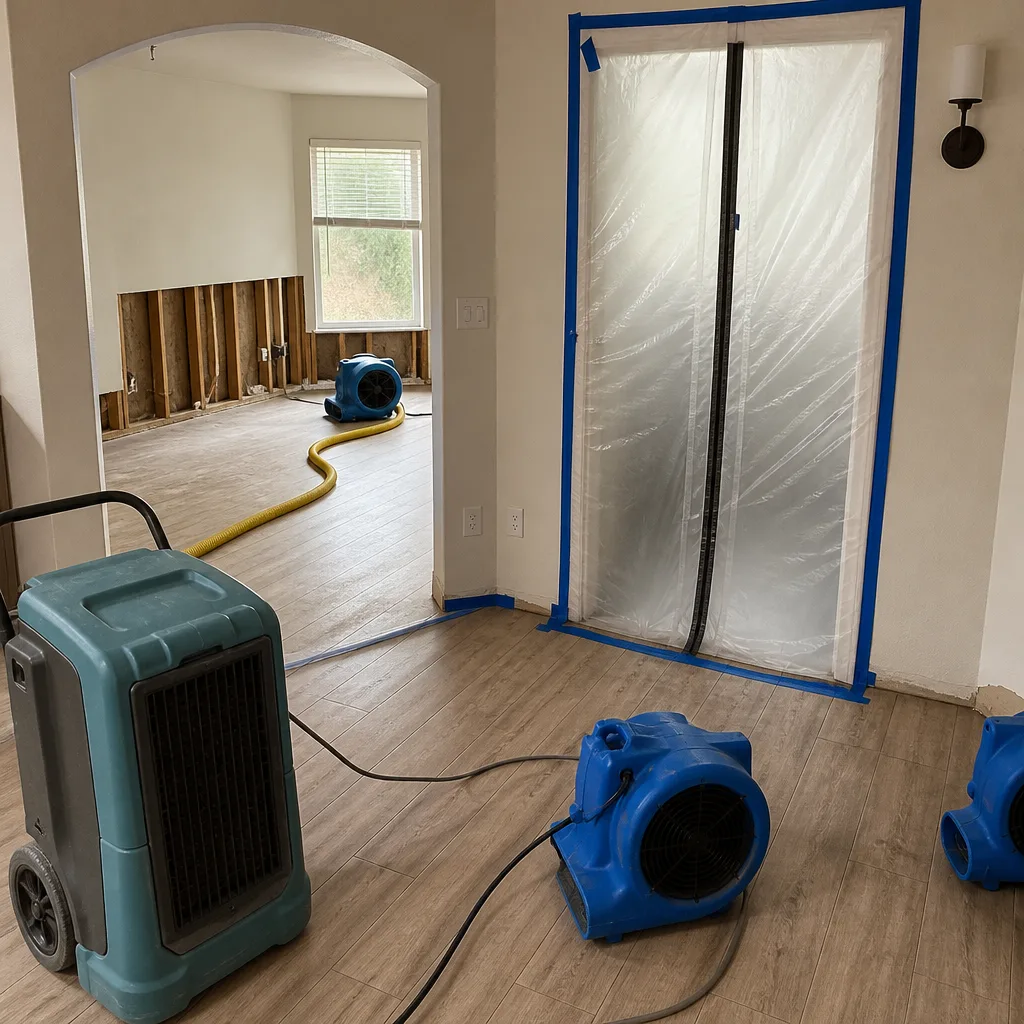
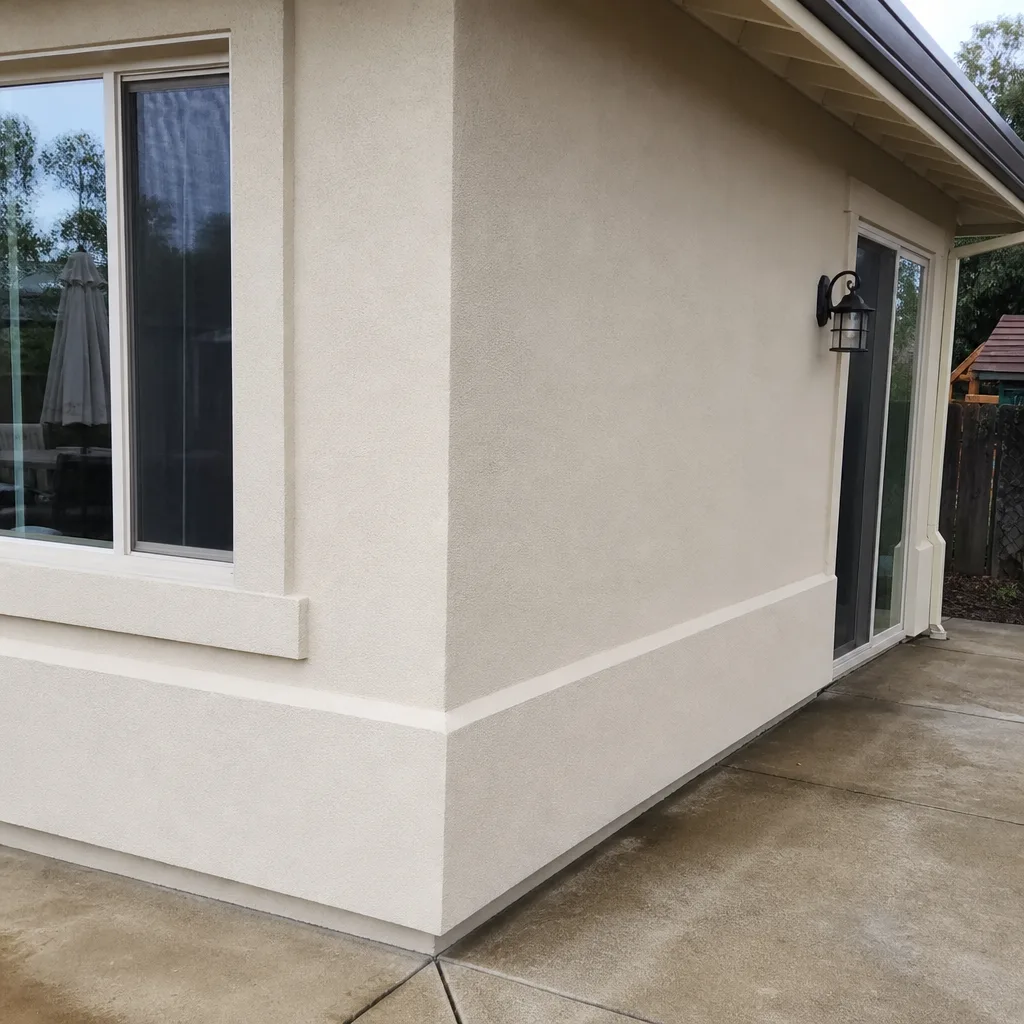
See the difference
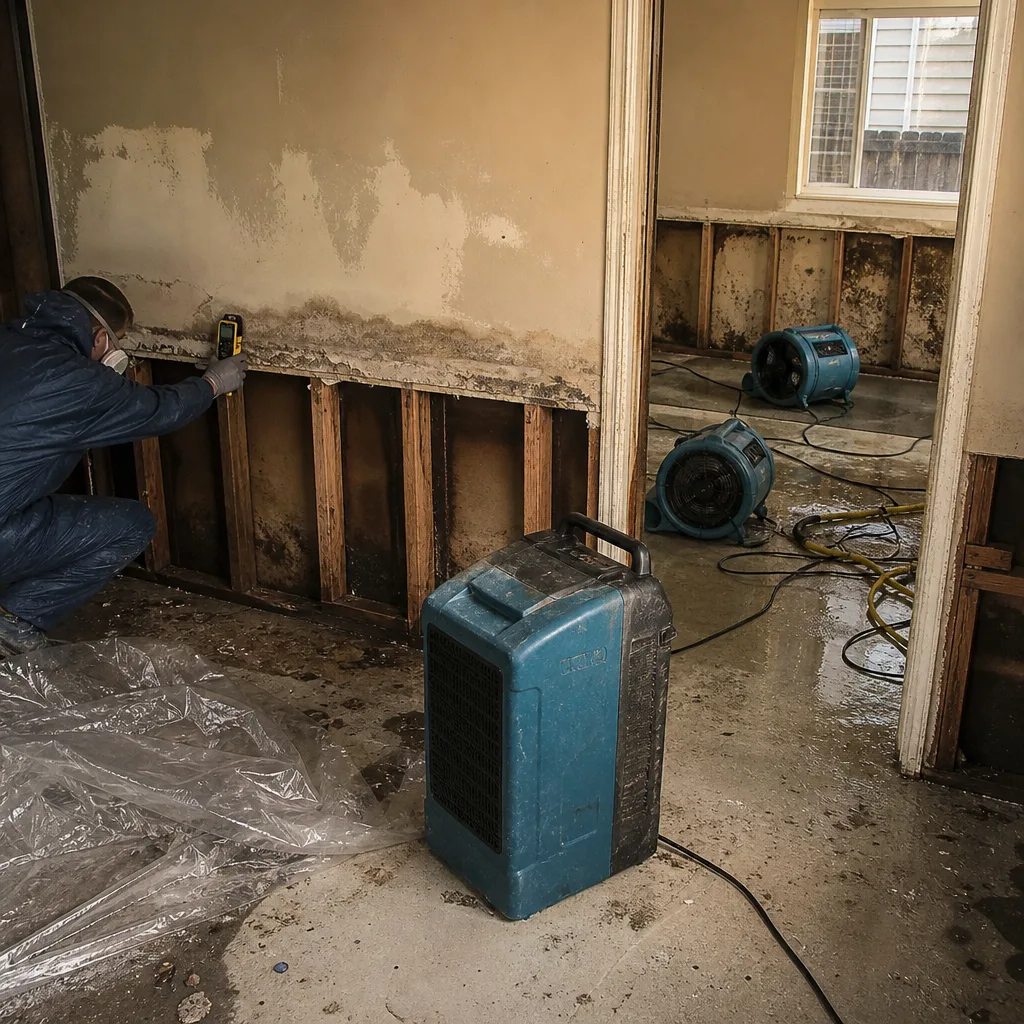 Before
 After
After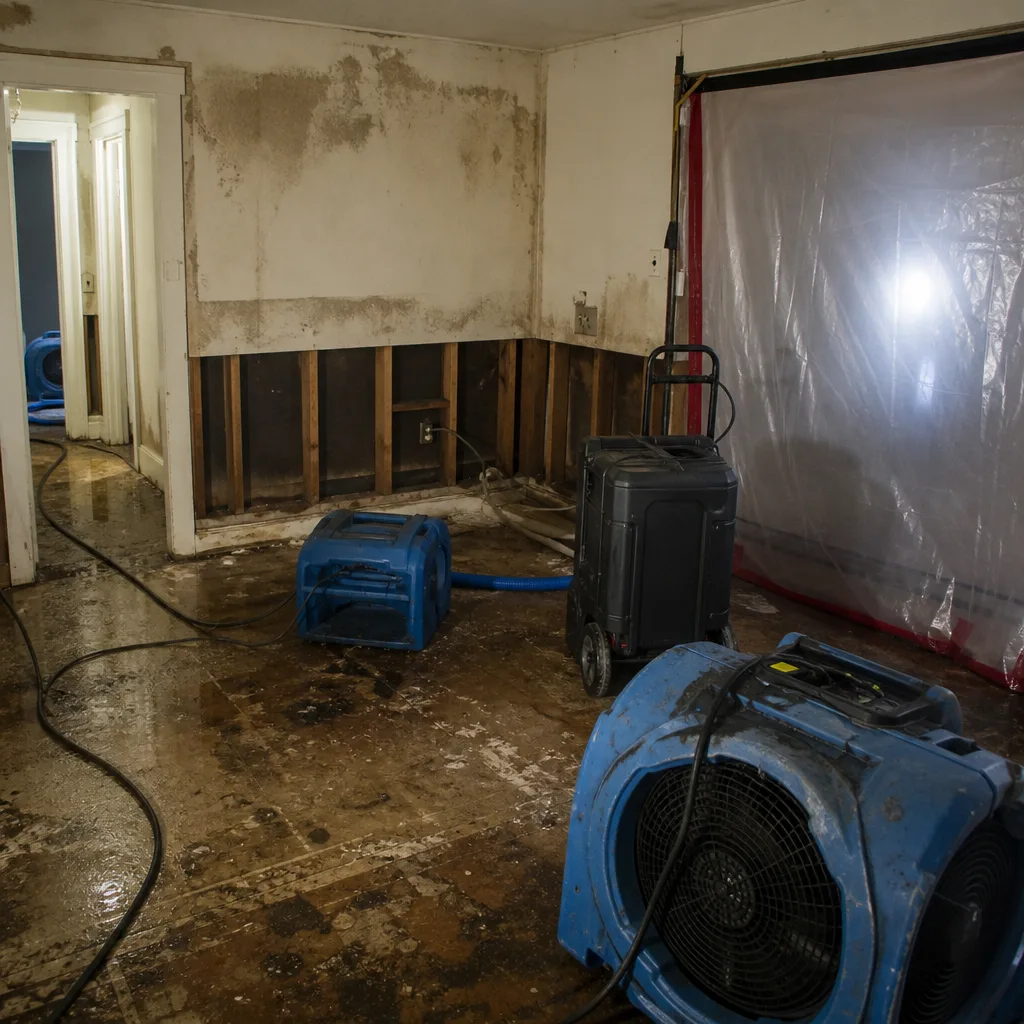 Before
 After
After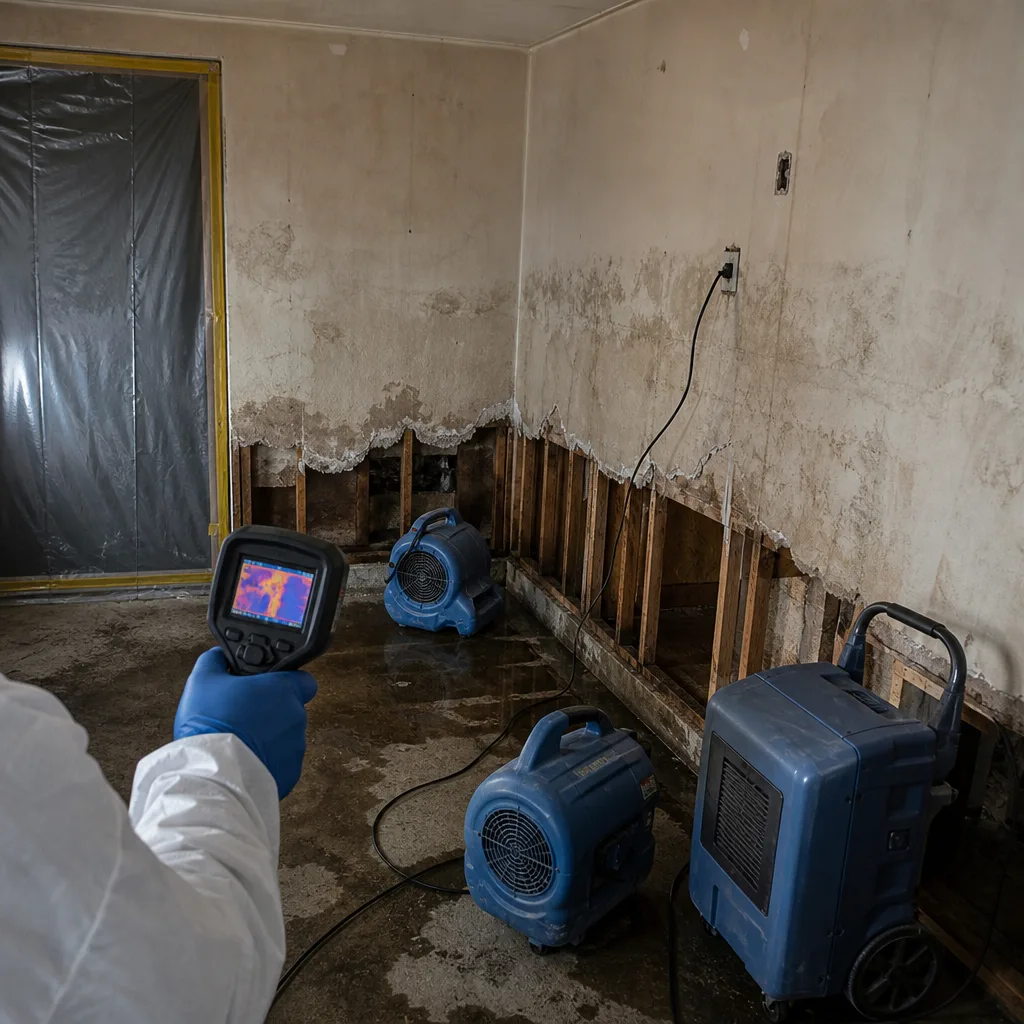 Before
 After
AfterWhen to Call a Professional
Some water damage situations are safe to handle yourself: a small spill that’s cleaned up immediately, a puddle contained to tile that dries within hours. The moment water penetrates building materials, drywall, flooring, cabinetry, insulation, the clock starts on structural damage and mold growth. If you can see a tide mark on the wall, water has traveled further than you think. If the water came from a sewage backup or contaminated source, don’t touch it. If the damage covers more than a few square feet, the drying equipment you need is commercial-grade, not a rental fan. Tidemark Water Damage Sacramento offers free estimates in Sacramento. Call (279) 277-2396 and a live person will answer, 24 hours a day.
Frequently Asked Questions
Water damage restoration in Sacramento typically runs between $1,200 and $5,000 for a contained leak affecting a single room, while whole-home events from atmospheric river flooding or a burst supply line can range from $8,000 to $25,000 or more depending on affected square footage and whether reconstruction is required. The single most important factor in controlling cost is getting a written scope and price before work begins. Call (279) 277-2396 for a free estimate with a written price before any equipment enters your home.
Local Sacramento restoration companies can typically arrive within 60 to 90 minutes of your call, and Tidemark Water Damage Sacramento answers the phone with a live person 24 hours a day, 7 days a week. Within the first hour, moisture mapping begins to identify where water has traveled. Drying equipment is placed the same day in most cases.
Most Sacramento homeowner’s insurance policies cover sudden and accidental water damage, such as a burst pipe or appliance failure, but exclude damage from long-term seepage, neglect, or flooding unless you carry separate flood insurance. The key to a smooth claim is documentation: photos before work begins, moisture readings, and a written scope that your adjuster can review. Call (279) 277-2396 for guidance on how your specific situation fits your policy.
Water mitigation is the immediate response: extracting standing water, placing drying equipment, and stopping further damage. Water restoration is the return of your home to its pre-loss condition: removing damaged materials, rebuilding, and refinishing. Many Sacramento projects involve both phases, and a contractor should clearly explain where mitigation ends and restoration begins in your written scope.
Mold can begin growing within 24 to 48 hours after water damage, especially in Sacramento’s warm months. If drying is incomplete, if water seeped behind baseboards, or if you notice a musty odor that persists after drying equipment is removed, mold remediation may be required. A credentialed technician can test for mold and explain whether treatment is needed. At Tidemark, we find the tide mark and dry past it, which is the single best prevention against mold taking hold.
In most Sacramento water damage cases, you can remain in your home during restoration if the affected area can be isolated and drying equipment noise is manageable. Our technicians use lower-decibel settings during school hours and nap time where possible, and we use pet-safe drying agents where there is a choice. For sewage backups or extensive mold remediation, temporary relocation may be recommended.
The Bottom Line
Hiring a damage restoration contractor in Sacramento comes down to three things: verify the license, demand a written price, and choose before the emergency if you can. The CSLB license check takes two minutes and eliminates the most dangerous operators immediately. The written scope and price eliminates surprise charges and holds the contractor accountable to a document, not a handshake. And choosing a contractor before disaster hits means the most stressful decision you’ll ever make about your home is already made, calmly and with full information. Sacramento’s flood patterns, storm surges, and aging housing stock mean water damage is a matter of when, not if. The only question is whether you’ll be prepared when the water shows up. For more guides & resources, visit our blog.
Written by Rick Sumner, Owner at Tidemark Water Damage Sacramento, serving Sacramento since 2006.