
Last updated October 16, 2026
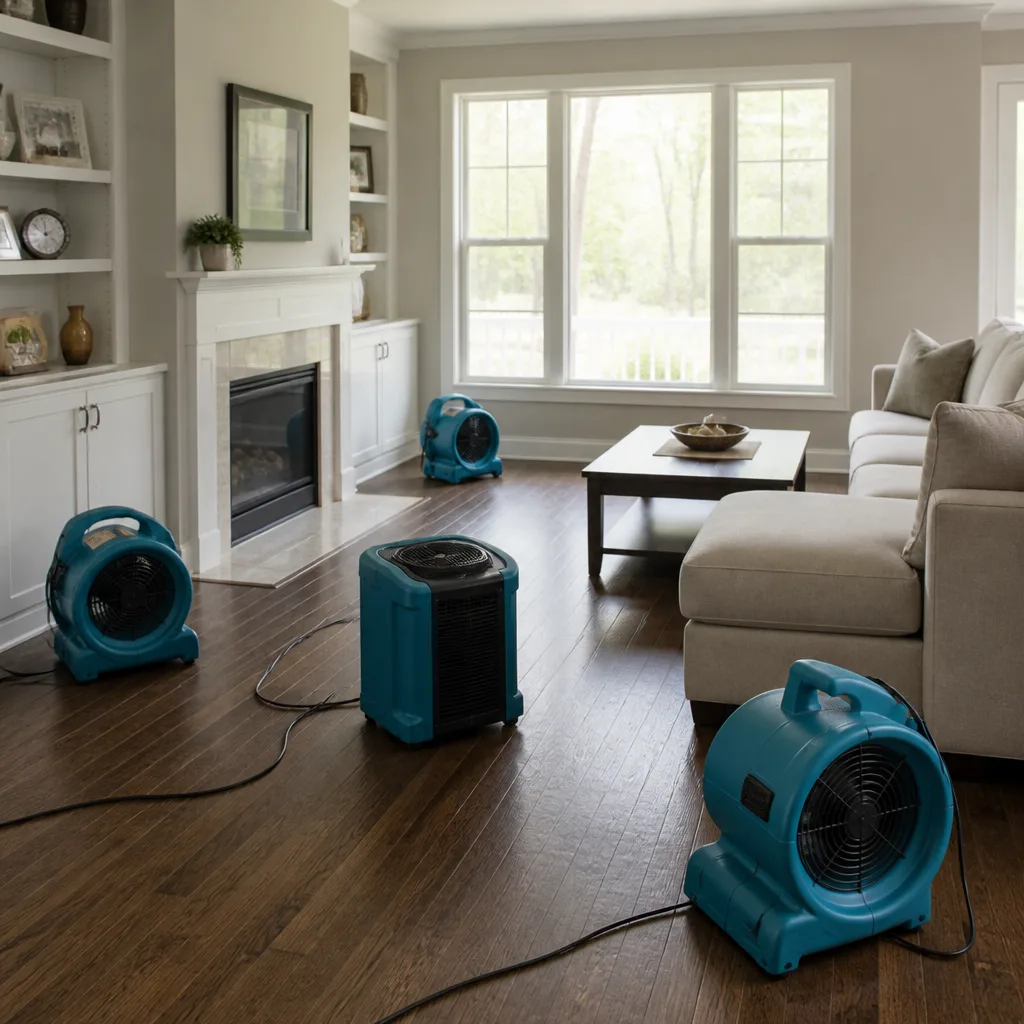 Water damage drying
 Fire & smoke cleanup
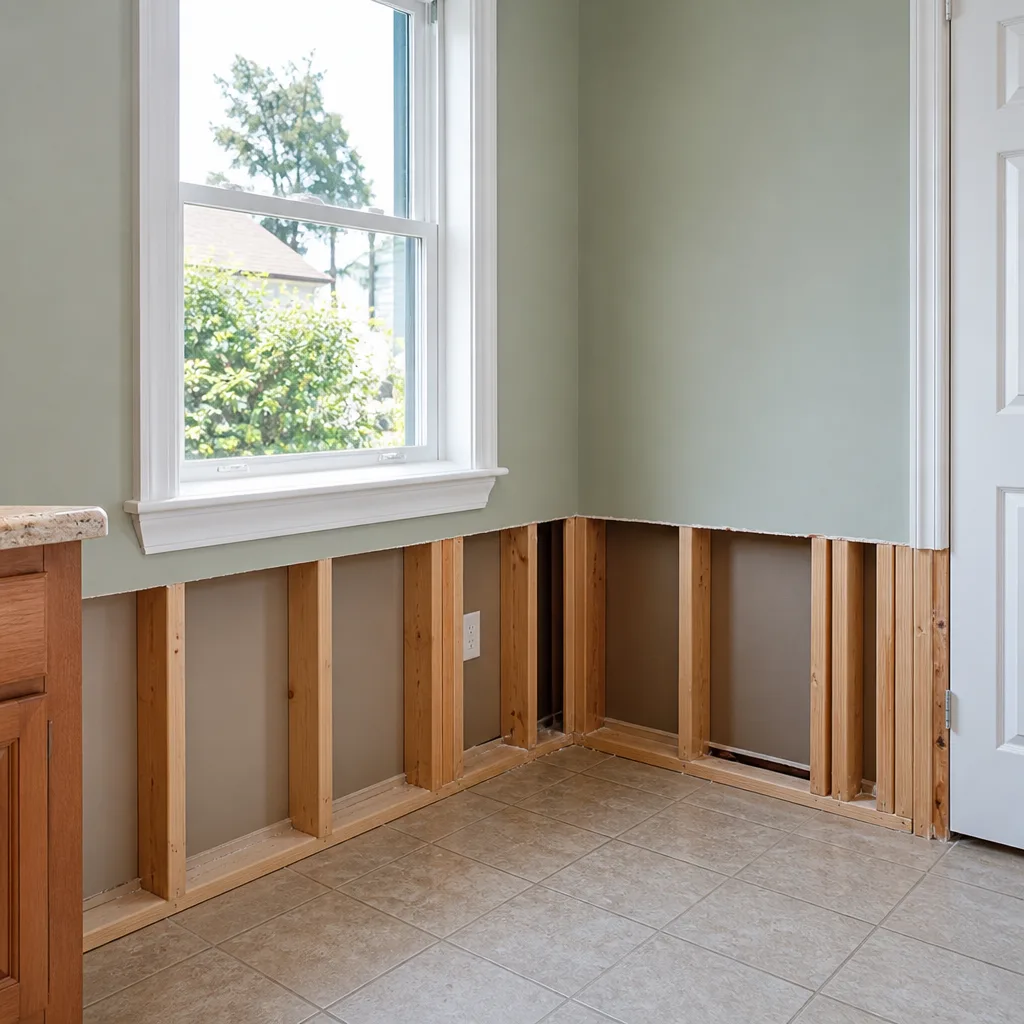 Mold remediation
 Storm response
 Sewage cleanup
 Reconstruction
Free visual inspection and a written scope of work before any mitigation begins - photos, moisture readings, and drying logs go in your claim file
The scope we write is the scope we bill. Anything new gets shown to you, in writing, before we touch it.
Get your free estimateThe Complete Guide to Damage Restoration in Sacramento
Here’s a number that should make every Sacramento homeowner pause: the IICRC estimates roughly 40% of water damage jobs are re-opened because hidden moisture was never confirmed dry. Not because the crew did poor work. Because nobody asked for a final moisture map. This guide and our more guides & resources are built to close that gap. We’ll walk through every stage of damage restoration in Sacramento, from the first panicked call to the final clearance test, so you know exactly what should happen before you sign anything, while it’s happening, and after the crew pulls away.
Restoration work we handle
Quick Answer
Damage restoration in Sacramento is a three-phase process: mitigation stops the active damage, remediation removes what the damage left behind, and restoration rebuilds what was removed. The single most important document you can request is a moisture map, before work begins and after it ends. A legitimate restorer will hand you a written price before touching anything, and that written price is the standard set by the Tidemark Water Damage Sacramento home team on every job.
Table of Contents
- Mitigation vs. Remediation vs. Restoration: Why the Words Matter
- Sacramento-Specific Risk Factors Most Guides Ignore
- What a Legitimate Moisture Map Looks Like
- Step-by-Step: The Drying Timeline From First Call to Final Clearance
- The Three Documents Every Homeowner Should Have Before the Crew Leaves
- How Independent Restoration Differs From Franchise Models
- What Restoration in Sacramento Actually Costs
- Common Mistakes to Avoid
- When to Call a Professional
- Frequently Asked Questions
- The Bottom Line
Mitigation vs. Remediation vs. Restoration: Why the Words Matter
These three words are not interchangeable, and confusing them is how homeowners end up with contracts that don’t cover what they actually need. The distinction determines what a technician does on day one, what gets billed, and whether your insurance adjuster approves the line items.
Mitigation stops the active damage. For water, that means extracting standing water, removing saturated materials that can’t be saved, and setting up drying equipment. For fire, it means boarding up openings, removing standing water from firefighting efforts, and stabilizing the structure. Mitigation is urgent. It’s the phase where speed genuinely matters because water continues moving through building materials until someone stops it.
Remediation removes what the damage left behind. In the case of Mold Remediation in Sacramento, that means containing the affected area, physically removing colonized drywall and framing, and treating surfaces to prevent regrowth. Remediation requires containment barriers, negative air pressure, and clearance testing afterward, not just spraying something and hoping.
Restoration rebuilds. New drywall, new carpet, repainting, refinishing. This is the phase that makes your home look like nothing happened. It’s a construction phase, scoped and scheduled like a remodel, not dispatched like an emergency.
Why the confusion is costly: a mitigation-only contract ends the moment the water is extracted. If mold appears three weeks later because hidden moisture never dried, that’s a new scope, a new claim, and a new fight with your adjuster. We’ve seen Sacramento homeowners miss Damage Restoration Warning Signs: A Sacramento Homeowner’s Reference Guide and sign mitigation agreements thinking they were covered through reconstruction, then discover the gap mid-project. Ask your restorer to define each phase in writing and identify which phases your signed scope covers.
Sacramento-Specific Risk Factors Most Guides Ignore
Sacramento is not San Diego, and it’s not Portland. The way water behaves here is shaped by two things most national guides never mention: clay-heavy soil and Delta breezes.
Sacramento sits in a valley with expansive clay soil. Clay holds water. When it rains or when a pipe leaks beneath your slab, that sub-slab moisture does not drain away quickly the way it does in sandy coastal soils. It lingers. That means a slab leak in Land Park or East Sacramento can keep wicking moisture into your flooring and framing for weeks longer than a comparable leak would in a coastal zip code. A restorer who has worked in Sacramento before knows to check sub-slab moisture readings days after the visible water is gone, because the clay underneath is still giving it back.
Delta breezes are the second factor. Sacramento’s famous evening breeze, coming through the Carquinez Strait and up the Sacramento River, drops humidity in the evenings during summer. That’s good news for drying, but it also means drying rates fluctuate dramatically over 24 hours. Equipment settings that work at 2 p.m. are overkill at 2 a.m. A technician who understands Delta breeze patterns adjusts airflow plans accordingly, rather than setting every job to the same generic fan-and-dehumidifier configuration.
We’ve also learned to account for older Sacramento housing stock. Many homes in Midtown, Curtis Park, and Oak Park were built before modern vapor barriers. Crawlspaces in those homes breathe differently than newer construction in Natomas or Elk Grove. Proper drying in a 1920s craftsman in Curtis Park requires a different airflow strategy than a 2015 build in Natomas, and generic national playbooks don’t make that distinction.
What a Legitimate Moisture Map Looks Like
Before we touch anything on a Water Damage Restoration in Sacramento job, we map the moisture. After we’re done drying, we map it again. This is the document that separates professional restoration from guesswork, and it’s the one we think every homeowner should request in writing.
A legitimate moisture map is a floor plan sketch, usually hand-drawn or digitally marked, showing moisture readings at specific points in the affected area. You’ll see numbers like 18%, 32%, or 45% written at each test location. Those percentages represent moisture content in the material, not the air. Hardwood flooring, for example, typically reads between 6% and 10% when dry in Sacramento’s climate. Drywall is considered dry at around 4% to 6% moisture content. Concrete slabs can hold moisture much longer, and readings over 90% relative humidity in a slab indicate a problem that needs sub-slab drying.
The important detail: a legitimate map has two versions. The first, taken before drying begins, establishes the baseline and identifies the tide mark, the line water left as it wicked up walls and across flooring. The second, taken at the end of drying, shows the same test points now reading within the normal range for that material.
What the map should never be is a single reading taken with a pinless meter waved near a wall, recorded only in the technician’s head. If a company cannot produce a written moisture map before and after, you’re carrying all the risk that the 40% re-open statistic lands on your house.
Step-by-Step: The Drying Timeline From First Call to Final Clearance
Every water damage job follows roughly the same sequence. Here’s what should happen, in order, when you’re working with a restoration company that does it right in Sacramento.
- First contact (within minutes, not hours): You call. A live person answers, asks about the source of the water, whether it’s been shut off, and the affected area. You’re told what to do if water is still flowing and what not to touch. No voicemail, no callback queue.
- Arrival and safety check (typically 1-2 hours in metro Sacramento): The crew arrives with shoe covers and drop cloths already on the truck. Before equipment comes in, floors get covered and the source of the water is confirmed stopped. Electrical hazards are identified before anyone steps into standing water.
- Initial moisture mapping (30-60 minutes): The technician maps the affected area with a moisture meter, identifies the tide mark, and marks readings on a floor plan. This is the baseline you’ll compare against at the end.
- Extraction (varies by job size): Standing water comes out using extraction equipment. The faster this happens, the less water wicks into drywall, baseboards, and subflooring.
- Selective demolition (only what’s necessary): Saturated drywall, carpet pad, and insulation that can’t be saved get removed. This is where a written scope matters: you should know what’s coming out before it comes out, not after the dumpster is full.
- Equipment placement and drying plan (day 1): Air movers and dehumidifiers go in, positioned based on the moisture map. In Sacramento, airflow planning accounts for Delta breeze humidity shifts. The drying plan includes target readings for each material type.
- Daily monitoring (typically 3-5 days): A technician checks readings daily, adjusts equipment placement, and logs the data in a drying log. You should be able to see this log if you ask.
- Final moisture verification (end of drying): Every test point from the initial map is re-tested. When readings hit the target range for each material, drying is done. You get a copy of the final moisture map showing the before-and-after numbers.
- Clearance documentation (before the crew leaves): You receive the three documents covered in the next section. The crew walks you through what was done, shows you photos, and confirms the clean-up is complete.
This sequence is the same whether you’re dealing with a supply line break in Folsom, a dishwasher leak in Arden-Arcade, or a roof leak in Land Park. What changes is the size of the affected area, the materials involved, and how many days the drying phase takes.
The Three Documents Every Homeowner Should Have Before the Crew Leaves
Most homeowners don’t know what to ask for when a restoration crew is packing up. Here’s the short list, and honestly, it’s not negotiable: if you don’t have these three documents, you don’t have confirmation the job is done.
1. The Drying Log: This is the daily record of moisture readings, equipment placement, and adjustments made during the drying phase. It shows what the technician observed each day and what changed. A legitimate drying log has dates, times, specific readings at specific locations, and notes on equipment adjustments. If a company can’t produce one, they weren’t actually monitoring.
2. Clearance Readings: These are the final moisture numbers at every test point, showing that each material has returned to its normal range. For mold remediation, clearance readings also include air sampling results showing spore counts inside match or fall below outdoor baseline levels. The key detail: clearance readings must be taken by someone who did not perform the remediation, or the conflict of interest undermines the whole document. Ask who performed the clearance testing.
3. Scope-of-Work Completion Sign-off: This is the written record of what was done, item by item, matched against the written scope you agreed to before work started. It confirms that everything you paid for was actually performed, and it’s the document that matters if something goes wrong later. Under our 365-Day Done Right Promise, this sign-off is the starting point, not the ending point. If something isn’t done right, it gets made right.
These three documents are your insurance against the 40% re-open statistic. They’re also the reason we hand them over without being asked. Homeowners shouldn’t have to know to ask for proof that the job they paid for was actually completed.
How Independent Restoration Differs From Franchise Models
Sacramento has both independent restoration companies and national franchise operations. The structural difference matters, and it shows up in the paper you sign.
Franchise models typically bill per square foot for mitigation work, with line items accumulated as the job progresses. The technician on site may not have authority to give you a firm number. The final invoice often lands after the dust settles, sometimes weeks later, with surprise charges for equipment days, emergency call-out fees, and disposal costs that weren’t clearly priced at the start.
Tidemark Water Damage Sacramento operates differently, and the difference is structural, not philosophical. We’re independently owned and operated as part of the Cedarwell Care Promise network, founded in 2006. The Care Promise has one non-negotiable standard: a written price before any work starts. Not an estimate range. Not a “we’ll see how it goes.” A written scope with a written number, delivered before the first piece of equipment comes off the truck.
This changes how the whole job works. When the price is fixed in writing before work starts, the technician’s incentive is to dry the space efficiently, not to maximize equipment days. When pet-safe products are the default, you don’t have to remember to ask. When the crew wears shoe covers and lays drop cloths as a standard step, not an upsell, your floors get the same protection whether or not you’re watching.
And the 365-Day Done Right Promise is the backstop: if the restoration isn’t done right, we make it right. That’s a promise with teeth in a trade where most companies disappear after the final invoice.
What Restoration in Sacramento Actually Costs
Restoration pricing in Sacramento varies widely based on the scope, materials, and the phase you’re in (see our Damage Restoration Cost Breakdown: The Sacramento Homeowner’s Reference for 2026). What follows reflects what we see on typical residential jobs in the area, not promotional pricing. Every job gets a written price before work starts.
| Phase | Typical Range (Sacramento Residential) | Notes |
|---|---|---|
| Water mitigation (small, single-room) | $1,200 – $3,800 | Extraction, drying, monitoring, basic selective demolition |
| Water mitigation (whole-home, multi-room) | $4,000 – $12,000+ | Depends on affected square footage and materials |
| Mold remediation (contained, single-wall) | $1,500 – $4,500 | Includes containment, removal, treatment, clearance testing |
| Mold remediation (crawlspace or attic) | $3,000 – $12,000+ | Access difficulty and ventilation work drive cost |
| Fire damage cleanup (smoke/soot, one room) | $2,500 – $7,000 | Before reconstruction, varies by smoke type |
| Full fire restoration (mitigation through rebuild) | $20,000 – $80,000+ | Scoped like a remodel, priced in writing before permitting |
| Reconstruction (single room, after mitigation) | $3,500 – $9,000 | Drywall, paint, flooring, trim |
These numbers reflect Sacramento market rates in 2025. The single biggest variable is how quickly the water gets extracted. A leak caught in the first hour is almost always a smaller job than one that sat over a weekend. The second biggest variable is whether hidden moisture gets addressed before mold appears, which is exactly why the moisture map matters.
On the insurance side, most Sacramento homeowners are surprised to learn their policy covers mitigation and remediation, but reconstruction coverage depends on the policy type and cause of loss. We don’t negotiate your claim, but we document everything with photos and work directly with your adjuster, which removes the most common friction point between homeowners, restorers, and insurance companies. For details on permits and compliance, see Damage Restoration Permits, Codes & Inspections in CA: What You Need to Know.
Common Mistakes to Avoid
- Waiting to call because “it’s just a little water.” Water moves through drywall and subflooring within hours. What looks like a cabinet drip on Tuesday is a wall cavity mold problem by Friday. Call the moment the water is stopped.
- Accepting a verbal estimate with no written scope. Verbal numbers protect the contractor, not you. If the price isn’t in writing before work starts, it isn’t a price, it’s a guess.
- Letting a restorer remove materials without documenting what was removed. Your insurance company needs photo evidence and itemized documentation. If the dumpster leaves before the photos are taken, your claim gets harder to prove.
- Skipping the final moisture verification. This is the mistake behind most re-opened jobs. Demand the before-and-after moisture map. If the company can’t produce one, find a company that can.
- Using box fans and hoping for the best. Residential fans don’t move enough air at the right humidity to dry wall cavities and subflooring. You’ll get the surface dry and the interior wet, which is the perfect recipe for mold.
- Signing a mitigation-only contract assuming it covers mold. Read the scope. Mitigation stops water. Mold remediation is a separate phase, a separate scope, and a separate line item. Know which one you’re signing for.
- Ignoring sub-slab moisture in Sacramento’s clay soil. In a slab home, visible drying doesn’t mean the slab is dry. Clay holds water against the slab for weeks. A restorer who checks sub-slab readings is worth more than one who only checks the surface.
When to Call a Professional
You need a professional when water has contacted drywall, flooring, or subflooring, not just tile or concrete surfaces that can be wiped dry. You need one when water came from a sewage line or dishwasher, when the affected area is larger than a bath towel, when you smell something musty after a leak, or when smoke has touched painted surfaces and fabrics. You also need one when your insurance company asks for documentation, because adjusters respond to written scopes, moisture logs, and photos, not homeowner explanations. Tidemark Water Damage Sacramento offers free estimates in Sacramento, call (279) 277-2396. When you call, a person answers.
Frequently Asked Questions
Most residential water mitigation in Sacramento takes 3 to 5 days of active drying, with daily monitoring visits from a technician. The full restoration timeline, including mold clearance and reconstruction where needed, typically runs 2 to 6 weeks depending on scope. Homes in Sacramento with older construction sometimes dry slower because of the way those structures breathe compared to newer builds. Call (279) 277-2396 and we’ll give you a realistic timeline for your specific situation.
Most Sacramento homeowners policies cover sudden and accidental water damage, like a burst supply line or appliance failure, including mitigation and drying. Gradual leaks and flood damage are usually excluded, which is why Sacramento homeowners in flood zones often carry separate flood policies. Our team documents everything with photos and works directly with your adjuster, which smooths the claims process. For a specific answer about your policy, call (279) 277-2396 and we’ll help you sort out what your adjuster needs.
If mold covers more than about 10 square feet, professional remediation is recommended, because surface cleaning doesn’t address spores inside wall cavities or the moisture source that caused the growth. Cleaning visible mold without fixing the moisture means the mold comes back, usually worse. In Sacramento’s climate, where clay soil and older housing stock can trap moisture, hidden mold spreads faster than most homeowners expect. We’ll assess the situation and tell you honestly whether remediation is necessary, with a written price before any work starts.
Within hours, not days. Our phones are answered by a live person 24 hours a day, 7 days a week, and our crews are dispatched across the Sacramento metro area the same day you call. Water damage does not wait for business hours, and neither do we. Call (279) 277-2396 and a person answers, a crew gets scheduled, and the written scope comes before any equipment is unloaded.
It means you receive a written scope of work with a specific dollar amount before any equipment, demolition, or remediation begins. Not an estimate range, not an hourly rate, not a “we’ll see how it goes.” A fixed number you can approve or decline. That’s the Cedarwell Care Promise standard, and it’s how we’ve operated since 2006. If a restorer won’t put the number in writing before starting, that’s your signal to find a different restorer.
You do, with our documentation supporting the claim. We provide the moisture maps, drying logs, photos, and itemized scopes your adjuster needs to process the claim. We don’t negotiate your policy or represent you to your insurer, but we make the documentation side of the process straightforward. In practice, Sacramento adjusters respond well to clean written documentation, and that’s exactly what we provide. Call (279) 277-2396 if you’re staring at an adjuster’s request and not sure what to send.
The Bottom Line
Damage restoration in Sacramento is a sequence of decisions, not a single event. The homeowner who understands the difference between mitigation, remediation, and restoration signs better contracts. The homeowner who asks for a written moisture map before and after drying avoids the 40% re-open statistic. The homeowner who insists on written pricing before work starts never discovers surprise charges on the final invoice. For Fire Damage Restoration in Sacramento and water and mold work alike, the pattern is the same: written scope, documented drying, verified clearance, and a promise that stands behind the work. That’s how restoration should work, and it’s how we do it.
Written by Rick Sumner, Owner at Tidemark Water Damage Sacramento, serving Sacramento since 2006.
See the difference
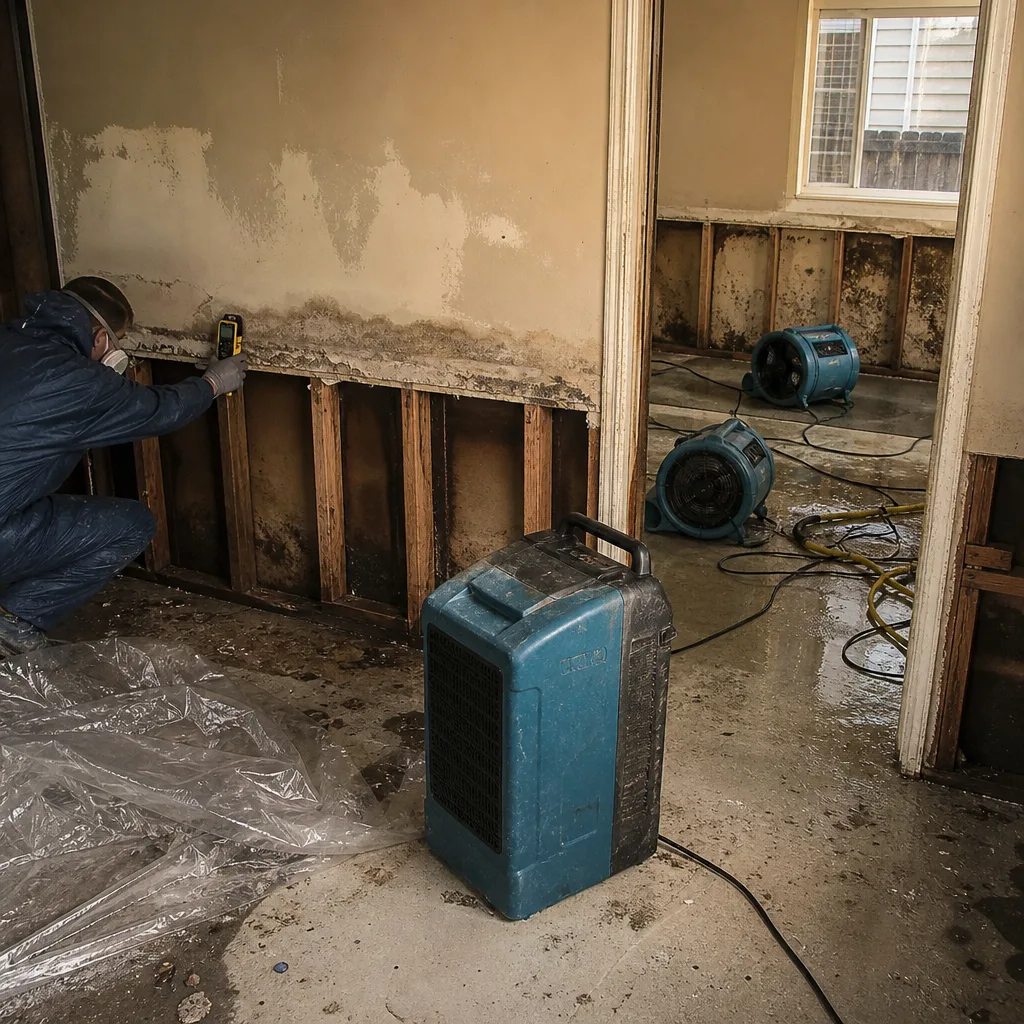 Before
 After
After Before
 After
After Before
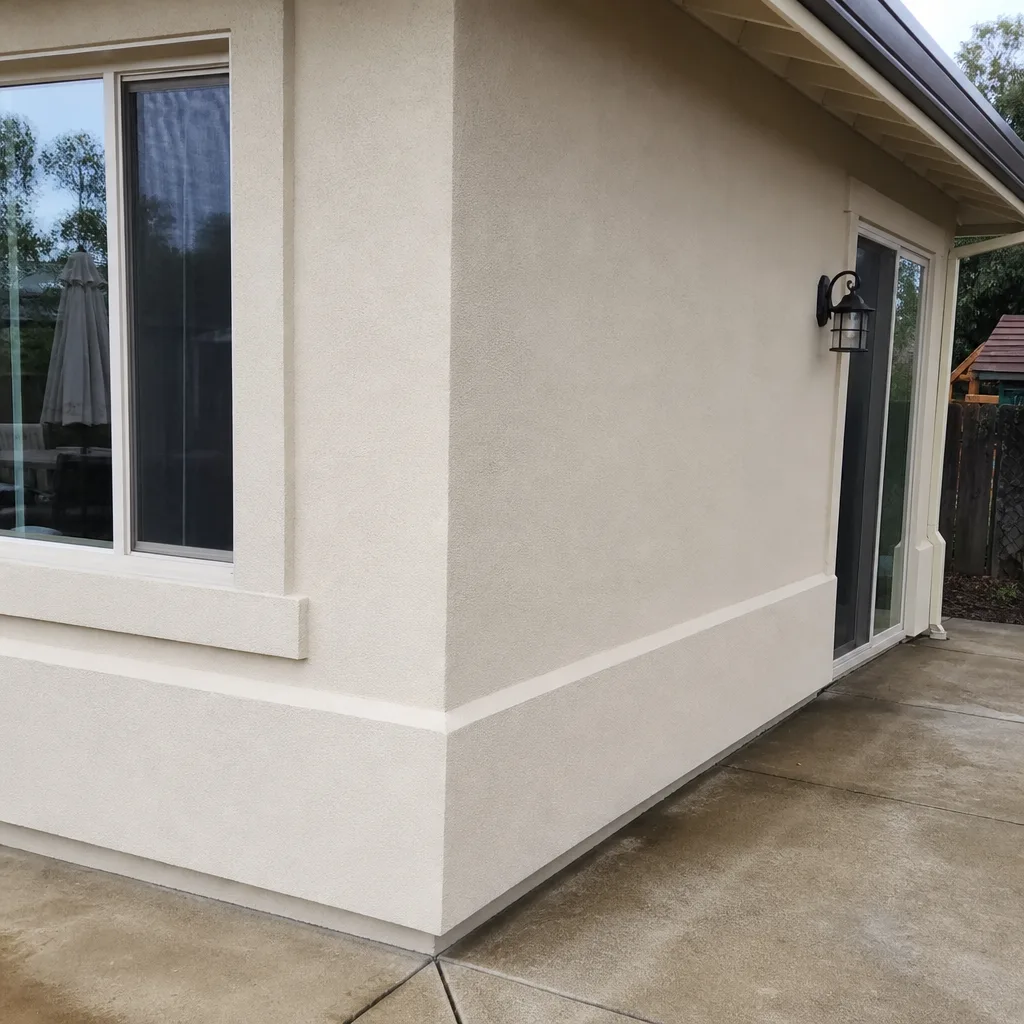 After
After