
Last updated October 16, 2026
 Water damage drying
 Fire & smoke cleanup
 Mold remediation
 Storm response
 Sewage cleanup
 Reconstruction
Free visual inspection and a written scope of work before any mitigation begins - photos, moisture readings, and drying logs go in your claim file
The scope we write is the scope we bill. Anything new gets shown to you, in writing, before we touch it.
Get your free estimateDamage Restoration Permits, Codes & Inspections in CA: What You Need to Know
In 2023, a Sacramento homeowner listed their Land Park bungalow for sale and discovered, three days before closing, that the drywall replacement they’d paid for after a 2019 water heater leak had never been permitted. The repair looked fine. The problem was the paper trail. The buyer’s lender flagged the unpermitted work during final review, and the sale renegotiated at a $14,000 price reduction because the repair could not be verified against Sacramento building code. The homeowner had done everything right in their own mind: they’d hired a contractor, paid the invoice, and moved on. What they didn’t know is that the moment a restoration project moves from drying things out to removing and replacing structural materials, California building code pulls that work into the permit system. This guide explains exactly where that line sits, what Sacramento County and the City of Sacramento actually require, how inspections protect you at resale, and what to do if you’re standing in a home with unpermitted repairs from a previous owner.
Restoration work we handle
Quick Answer
Drying-only restoration work, like running air movers and dehumidifiers after a water leak, does not require a building permit anywhere in California. The permit requirement kicks in the moment structural materials are removed, replaced, or altered: drywall cut away, subfloor pulled up, framing members changed, or plumbing and electrical systems touched. In Sacramento, unpermitted structural repairs can surface at resale as a material defect, and retroactive permits are possible but cost more than doing it right the first time.
Table of Contents
- Where the Permit Line Actually Sits in California
- Sacramento County vs. City of Sacramento: Two Different Rulebooks
- The Three Permit Types Restoration Work Most Often Triggers
- The Certificate of Final Inspection: The Document That Protects You at Resale
- Sacramento Inspection Timelines and How a Good Restorer Handles Them
- What to Do When a Previous Owner’s Unpermitted Work Shows Up
- How Permits Interact With Insurance Claims
- Common Mistakes to Avoid
- When to Call a Professional
- Frequently Asked Questions
- The Bottom Line
Where the Permit Line Actually Sits in California
California Building Code Section 105 is the governing rule, and it is more precise than most people expect. The code says a building permit is required for any work that “constructs, enlarges, alters, repairs, moves, improves, removes, converts, or demolishes” a building or structure. That sounds broad, and it is. But the code also carves out exemptions, and those exemptions are where drying-only restoration work lives.
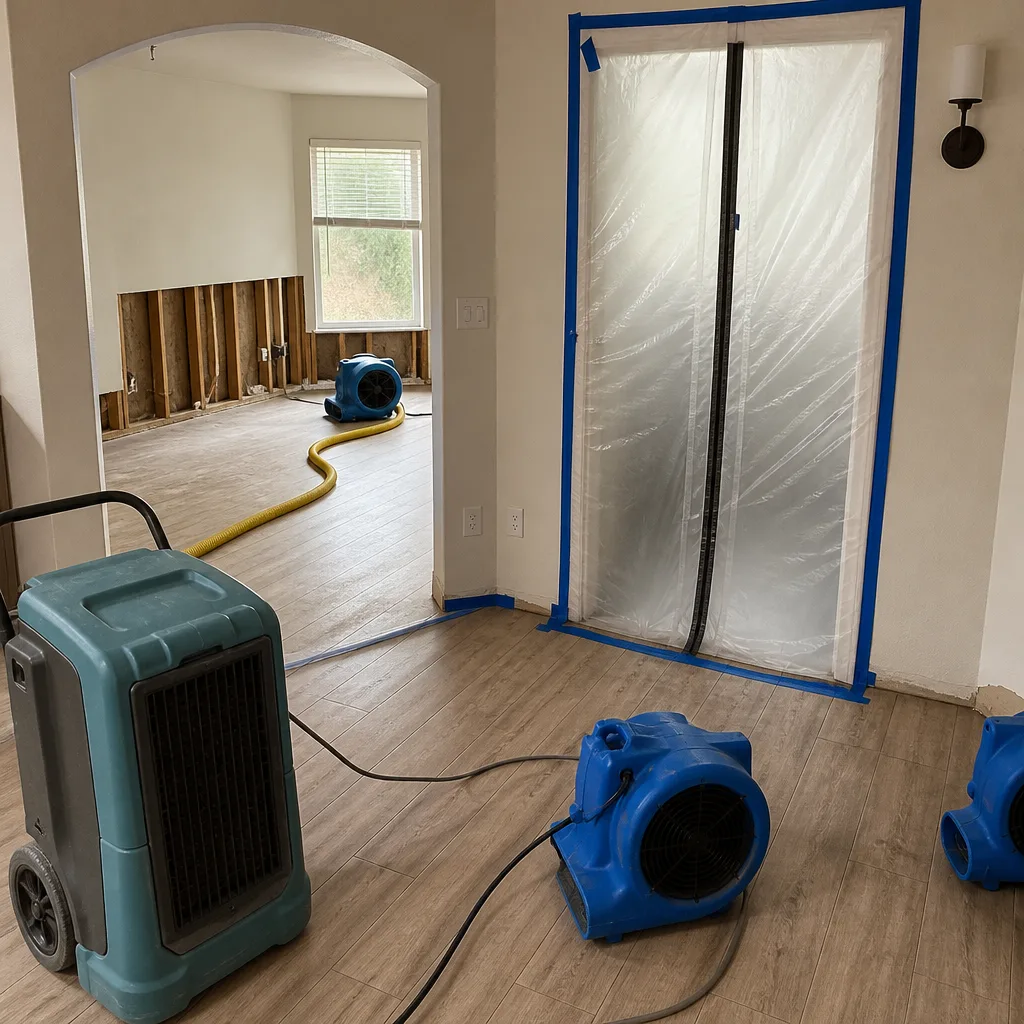
Here is the practical line we’ve seen play out in hundreds of Sacramento homes: if a restoration crew enters a water-damaged house, sets up drying equipment, monitors moisture levels, and leaves without cutting into anything, no permit is needed. The work is classified as maintenance and remediation, not construction. Air movers, dehumidifiers, and drying mats from brands like Dri-Eaz and Injectidry are designed to pull moisture out of materials that stay in place. The wall cavity dries through the existing surface, and the wall remains structurally unchanged. That is not construction, and Sacramento inspectors will tell you the same thing.
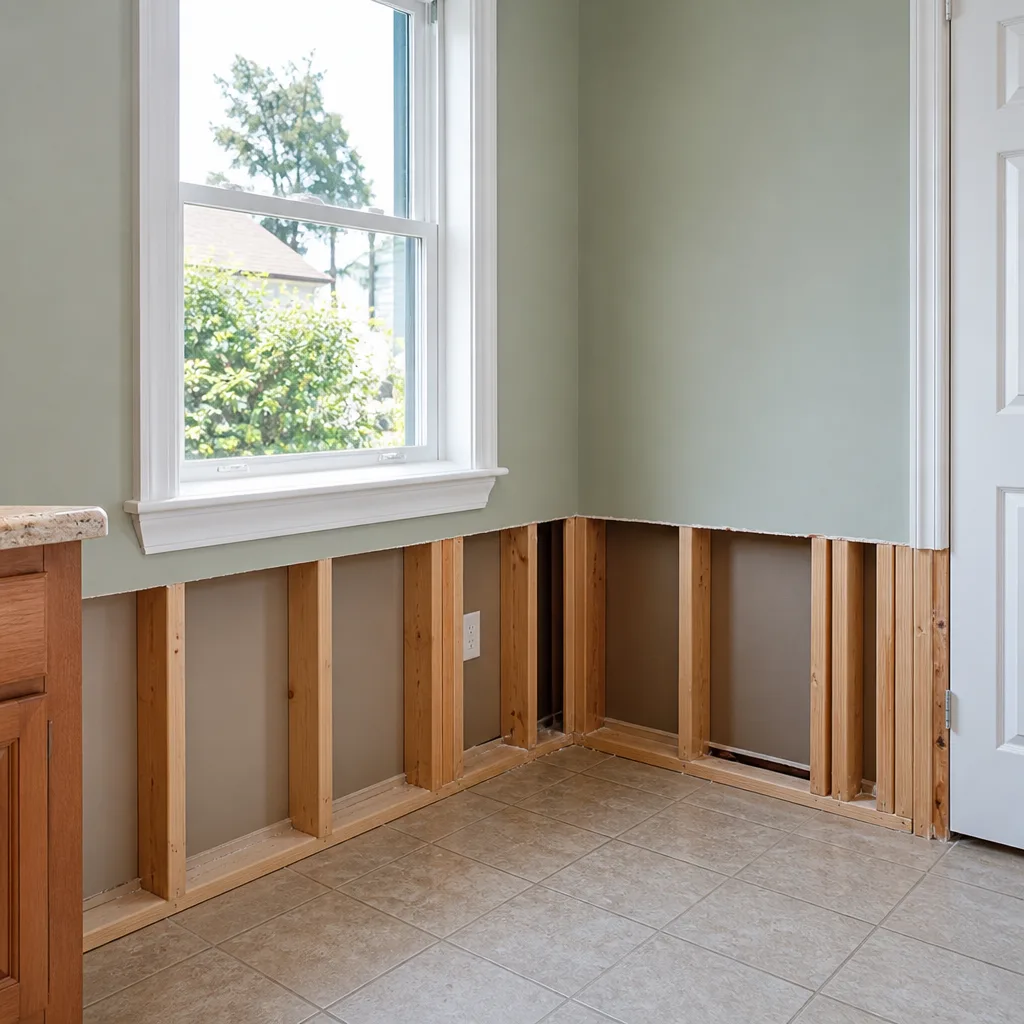
The line moves the moment material is removed. Cut out a section of wet drywall to access a leaking pipe behind it, and you have altered the building envelope. Pull up warped floorboards to dry the subfloor, and you have removed structural finish material. Replace a section of framing that shows rot, and you have repaired a structural element. Any of these actions triggers the building permit requirement under Section 105, and in Sacramento that work must be inspected to close the permit.
There is a nuance here worth understanding. Some restoration companies describe their work as “emergency mitigation” and suggest that the urgency of a water loss exempts them from permit requirements. Emergency work can sometimes be performed before a permit is issued, but the permit still must be obtained afterward. Sacramento building officials routinely work with restoration companies on this sequence: stabilize the property first, then pull the permit for the permanent repairs within a reasonable window. A restorer who tells you no permit will ever be needed for drywall replacement is not being straight with you-see our Damage Restoration Warning Signs: A Sacramento Homeowner’s Reference Guide for more red flags.
For Sacramento homeowners, the practical takeaway is this: drying-only work stays outside the permit system, and that’s legitimate. The moment the conversation shifts from “drying in place” to “remove and replace,” ask about permits before the saw comes out, or consult our DIY vs Professional Damage Restoration: The Sacramento Homeowner’s Decision Guide to weigh your options.
Sacramento County vs. City of Sacramento: Two Different Rulebooks
California building codes are statewide, but enforcement is local. Sacramento is unusual because it has two distinct jurisdictions operating side by side, and the rules differ in ways that matter for restoration work. If your home is inside Sacramento city limits, you deal with the City of Sacramento Community Development Department. If you live in unincorporated Sacramento County, in communities like Arden-Arcade, Carmichael, Fair Oaks, or Antelope, you deal with Sacramento County Building Permits and Inspection.
The building code chapters are nearly identical because both jurisdictions adopt the California Building Standards Code. What differs is process: how you apply, what you pay, how quickly inspections are scheduled, and how aggressively each jurisdiction enforces unpermitted work at resale. City of Sacramento has been tightening its resale inspection practices in recent years, with point-of-sale requirements on certain property types. Sacramento County relies more on California’s mandated seller disclosure forms, but those forms force the same reckoning: if unpermitted work exists and you know about it, you must disclose it.
One item that trips up homeowners in both jurisdictions is the distinction between a restoration permit and a trade permit. A water heater replacement that requires a plumbing permit in the City of Sacramento may have a different fee structure and inspection path than one in Sacramento County. A restorer who works regularly in both jurisdictions knows which counter to file at and which inspector will be assigned. That familiarity matters when you’re trying to close out a permit before a sale closes.
We have also seen differences in how the two jurisdictions handle retroactive permits. The City of Sacramento has a formal process for after-the-fact permits, which we cover in detail below. Sacramento County follows similar steps but with different documentation requirements for work that predates the current code cycle. Neither jurisdiction makes retroactive permits painless, but both offer a path. The key is understanding which building department governs your address before you assume anything about what a contractor tells you.
The Three Permit Types Restoration Work Most Often Triggers
When water damage restoration in Sacramento moves past drying and into rebuilding, three specific permit types come into play. Most restoration projects touch one or two of them. Some touch all three.
1. Building permits for structural repairs. This is the big one. Any removal and replacement of drywall, insulation, subfloor, framing, window casing, or exterior sheathing is structural work in the eyes of the building department. The permit covers the removal, the replacement, and the inspection that confirms the new materials meet current code. In Sacramento, that inspection typically includes a look at the framing after the cavity is opened, a look at the insulation before the drywall goes back up, and a final inspection once the finish is in place. Missing the middle inspection, called the “cover inspection” in trade language, means opening the wall again.
2. Plumbing permits for pipe repairs. If the water loss came from a failed supply line, a ruptured fitting, or a leaking drain, the plumbing repair itself may require a permit. This is true in both the City of Sacramento and Sacramento County. The logic is straightforward: plumbing work inside walls is invisible once closed, and code officials want an inspection before the wall is sealed. A plumbing permit is separate from a building permit and is pulled through the same building department but follows its own inspection path.
3. Electrical permits for moisture-affected systems. This is the one homeowners most often miss. If water reached an electrical panel, outlets, switches, or wiring, the electrical work needed to make those systems safe and code-compliant requires an electrical permit. Sacramento inspectors will check for proper grounding, arc-fault protection where required by current code, and that water-damaged components were replaced rather than dried and reused. An outlet that got wet and was left in place is a code violation waiting to be discovered, and Sacramento’s inspectors look for exactly that.
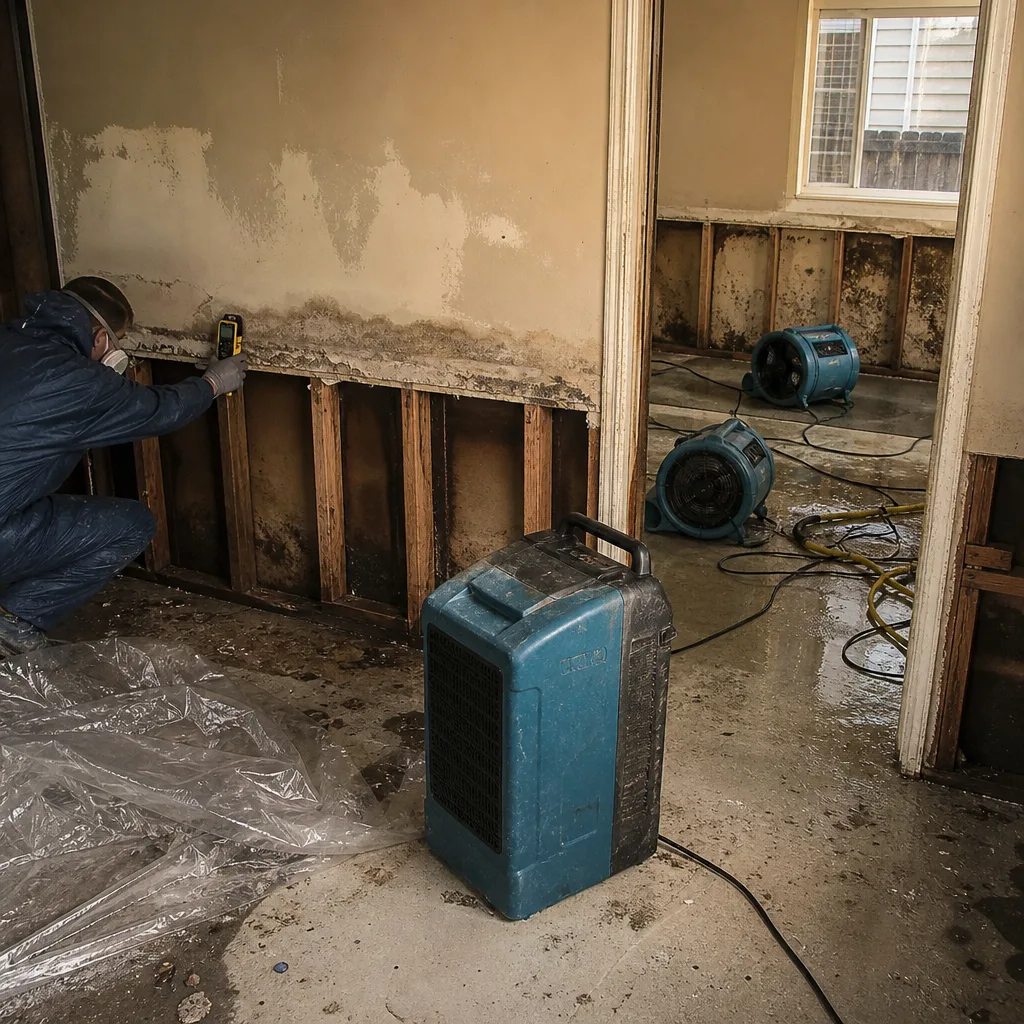
Mold remediation in Sacramento follows a slightly different path. Remediation itself, meaning the removal of mold-contaminated materials, generally does not require a building permit. But the rebuild that follows remediation, the new drywall, insulation, and paint, does. A contractor who handles both sides of the job should be able to tell you where the remediation ends and the construction begins, because that line is where the permit requirement starts.
The Certificate of Final Inspection: The Document That Protects You at Resale
Here is a scene we’ve watched too many times: a homeowner completes a restoration project, pays the contractor, and files the invoice away. Five years later they sell the house, and during escrow the buyer asks for proof that the work was permitted. The contractor’s invoice is not enough. The receipt for materials is not enough. The only document that closes the loop in the eyes of a title company, a lender, and a buyer’s inspector is the Certificate of Final Inspection issued by the building department.
That certificate is the official record that permitted work was completed, inspected, and approved. It is tied to the permit number, the property address, and the inspection history. In Sacramento, both the City and County issue these certificates when the final inspection passes. You can request a copy from the building department at any time, and you should keep it with your property records the same way you keep a title report or a survey.
The certificate does more than satisfy a buyer. It protects you against claims of material defect. California’s seller disclosure laws require you to disclose known unpermitted work, and the penalty for failing to disclose is real: buyers have sued sellers for fraud, misrepresentation, and the cost of correcting unpermitted work after closing. The Certificate of Final Inspection is the evidence that shuts those claims down before they start.
If you are working with a restoration company in Sacramento, ask about the certificate before the job starts. A reputable company will tell you who pulls the permit, who schedules the inspections, and when you’ll receive the final certificate. The best ones include it in the written scope of work so there’s no ambiguity. If a contractor waves off the question or says “you don’t need to worry about that,” that’s a signal worth paying attention to-our How to Hire a Damage Restoration Contractor in Sacramento: A Step-by-Step Guide can help you vet candidates.
Sacramento Inspection Timelines and How a Good Restorer Handles Them
Sacramento building departments have made real progress on inspection turnaround in recent years, but the timelines still require planning. In the City of Sacramento, most residential inspections can be scheduled within one to three business days depending on inspector availability and workload. Sacramento County generally runs on a similar schedule, though seasonal spikes in the spring and early summer can stretch that to four or five days.
A restorer who treats inspections as an afterthought creates delays that ripple through the whole project. Here’s what proper inspection scheduling looks like on a Sacramento restoration job:
- Pre-construction inspection (if required). Some projects start with an inspection to document the existing conditions before work begins. This is common when the damage is extensive or when a previous permit was never closed.
- Rough-in / cover inspection. After damaged materials are removed and before new drywall goes up, the inspector checks the framing, plumbing, electrical, and insulation. This inspection happens at a specific moment in the project, and missing it means reopening walls.
- Final inspection. Once the work is complete, the inspector verifies everything matches the permit scope and current code. Passing this inspection triggers the Certificate of Final Inspection.
A well-run restoration company in Sacramento builds these inspection windows into the project schedule from day one. The crew’s work is sequenced so that no one is standing around waiting for an inspector, and no one is tempted to cover work that hasn’t been checked. The inspection is not a hurdle; it’s a quality checkpoint that confirms the work was done to code.
In our experience at Tidemark Water Damage Sacramento, the inspection sequence is also where the written scope of work earns its keep. A detailed scope tells the inspector exactly what was done, which makes the inspection faster and less likely to generate a correction notice. And for the homeowner, it creates a paper trail that matches the permit, the inspection, and the final certificate.
What to Do When a Previous Owner’s Unpermitted Work Shows Up
Sometimes the discovery happens in the middle of a new damage event. A water line breaks in a Sacramento home, a restoration crew opens the wall, and there it is: old drywall that was clearly replaced at some point, with no permit on file at the building department. Now you have a new repair that needs a permit and an old repair that was never permitted. What do you do?
The answer is the retroactive permit process, sometimes called an after-the-fact permit. Both the City of Sacramento and Sacramento County offer this path. The process is not punitive in intent; it exists because building departments understand that unpermitted work happens, and the goal is to bring the property into a verifiable, compliant state.
Here is the typical Sacramento retroactive permit process, step by step:
- Document the unpermitted work. Take photos, note materials, and if possible identify when the work was done. Previous seller disclosures or contractor invoices can help establish a timeline.
- Contact the building department. Explain what was discovered and ask about the after-the-fact permit process. Both Sacramento jurisdictions have staff who handle these cases regularly.
- Submit an application. The retroactive permit application describes the work, the scope, and the materials. Fees are typically higher than a standard permit, often 1.5 to 2 times the normal rate, but they are not prohibitive for most residential projects.
- Schedule an inspection. The inspector will need to view the work, which sometimes means opening a section of wall to verify what is underneath. This is the part that makes retroactive permits expensive: the work has to be exposed, inspected, and then closed back up.
- Pass inspection and receive the certificate. Once the work is verified, the permit closes and the property is back in compliance.
Typical costs in Sacramento for a retroactive permit range from $400 to $1,800 depending on the scope of the work and whether walls need to be opened for inspection. That’s real money, but it’s a fraction of what unpermitted work can cost at resale if it forces a price reduction or a canceled sale.
How Permits Interact With Insurance Claims
Insurance adds another layer to the permit question, and it cuts both ways. When an insurance claim pays for restoration work, the permit is typically a covered line item. Most policies include permit fees as part of the claim cost, and a knowledgeable restoration company will include the permit in the estimate it submits to your carrier. That’s the straightforward part.
The complicated part comes when work is done without a permit and a future claim arises from that same area. Insurance carriers look for reasons to limit or deny coverage, and unpermitted work is a known coverage gap. If a water loss, fire loss, or mold issue traces back to an unpermitted repair, the carrier may argue that the repair was not done to code, which calls the entire covered event into question. Sacramento homeowners have encountered this scenario with roof repairs, electrical work, and in some cases plumbing repairs behind walls.
Photo documentation matters here, and not just for the insurance adjuster. A restoration company that photographs every stage of the work, including the exposed wall cavity before it’s closed, creates evidence that can protect you in a dispute. The photos show what condition the framing was in, whether rot was present, and whether the replacement materials were installed correctly. That documentation supports the permit application and the insurance claim simultaneously.
When you’re dealing with fire damage restoration in Sacramento, the permit conversation is usually moot because fire rebuilds are almost always extensive enough to require full permits. The question is whether the restoration company handles the permit process as part of the scope. Ours does. The written scope we provide before work starts includes the permit line items, the inspection schedule, and the final certificate, so insurance and the building department see the same picture.
Common Mistakes to Avoid
- Accepting “you don’t need a permit” at face value. If structural materials are being removed or replaced, that statement is almost certainly wrong in Sacramento. Ask which code section exempts the work, and if the answer is vague, call the building department yourself.
- Paying in full before the final inspection passes. Once the contractor has your money, the incentive to close out the permit drops. Hold a portion of the final payment until the Certificate of Final Inspection is in your hand.
- Covering walls before the rough-in inspection. This is the most expensive scheduling mistake on a Sacramento restoration job. If the inspector hasn’t seen the open wall, the drywall has to come back down.
- Assuming the contractor’s invoice proves the work was permitted. It doesn’t. Only the building department’s records and the Certificate of Final Inspection provide that proof.
- Ignoring unpermitted work discovered during a new project. Rolling unpermitted work into a new permit is sometimes possible, but only if the building department knows about it. Hiding it creates a disclosure problem later.
- Choosing a restoration company based on price alone. A company that skips permits can quote lower, and some do. The savings disappear the first time a buyer asks for the permit history and there isn’t one.
- Not checking which jurisdiction governs your address. City of Sacramento and Sacramento County have different processes. A permit filed at the wrong counter wastes days.
When to Call a Professional
If water has reached structural materials, if drywall is soft or buckling, if electrical components got wet, or if you’re looking at mold growth inside a wall cavity, the permit question is already in play. These are not situations where a second opinion is a luxury. A professional restoration company in Sacramento can tell you quickly which permits apply, what the inspection sequence looks like, and how long the process will take. The earlier you make that call, the more options you have. Tidemark Water Damage Sacramento offers free estimates in Sacramento, and the written scope includes the permit plan before any work starts. Call (279) 277-2396 and a live person will answer, day or night.
Frequently Asked Questions
No. Drying-only restoration work, which uses air movers and dehumidifiers to remove moisture from materials that stay in place, does not require a building permit anywhere in California. The permit requirement begins when structural materials are removed, replaced, or altered. If your restoration company is cutting out drywall, pulling up flooring, or replacing framing, expect a permit to be part of the scope.
Standard building permit fees for residential restoration work in Sacramento typically range from $150 to $600 depending on the scope, with plumbing and electrical permits adding $80 to $250 each. Retroactive permits run higher, usually $400 to $1,800, because they often require opening finished walls for inspection. Exact fees depend on which jurisdiction governs your address. For a precise quote on your project, call (279) 277-2396 and we’ll walk through the numbers.
Most residential inspections in the City of Sacramento and Sacramento County can be scheduled within one to three business days, though spring and early summer can stretch that to four or five days. A well-run restoration project builds these inspection windows into the schedule so the work flows without delays.
In most cases, yes. Permit fees are typically covered as part of a restoration insurance claim. The permit should be itemized in the estimate your restoration company submits to the carrier. If the permit is left out of the estimate, it’s worth asking why before you sign the scope.
You are required by California law to disclose known unpermitted work on the seller disclosure forms. Failure to disclose can expose you to a lawsuit for misrepresentation after the sale closes. The fix is a retroactive permit through the building department, followed by a Certificate of Final Inspection that brings the property back into compliance. It costs more than doing it right initially, but far less than a price reduction or a canceled sale.
Either party can pull the permit, but the most common arrangement in Sacramento is for the restoration company to handle it as part of the project scope. The permit is tied to the property address, and the work must be performed by a licensed contractor. A reputable company will include the permit, the inspection schedule, and the final certificate in the written scope before work begins. Call (279) 277-2396 for a free estimate that includes the full permit plan.
The Bottom Line
The permit line in California restoration work is clear: drying in place stays outside the system, and replacement pulls you in. Sacramento homeowners who understand that distinction protect themselves in two ways. They avoid the resale nightmare of unpermitted work surfacing at closing, and they keep their insurance coverage clean for the next claim. The Certificate of Final Inspection is the document that proves the work was done right, and it’s the one piece of paper worth more than the entire invoice. If you’re facing water damage, mold, or fire restoration in Sacramento, get the permit conversation on the table before the saw comes out. The right restoration company won’t flinch at the question. For more guides & resources, visit our blog. We’d be glad to answer it. Call Tidemark Water Damage Sacramento at (279) 277-2396, and you’ll speak with a live person who can walk you through exactly what your project needs.
Written by Rick Sumner, Owner at Tidemark Water Damage Sacramento, serving Sacramento since 2006.
See the difference
 Before
 After
After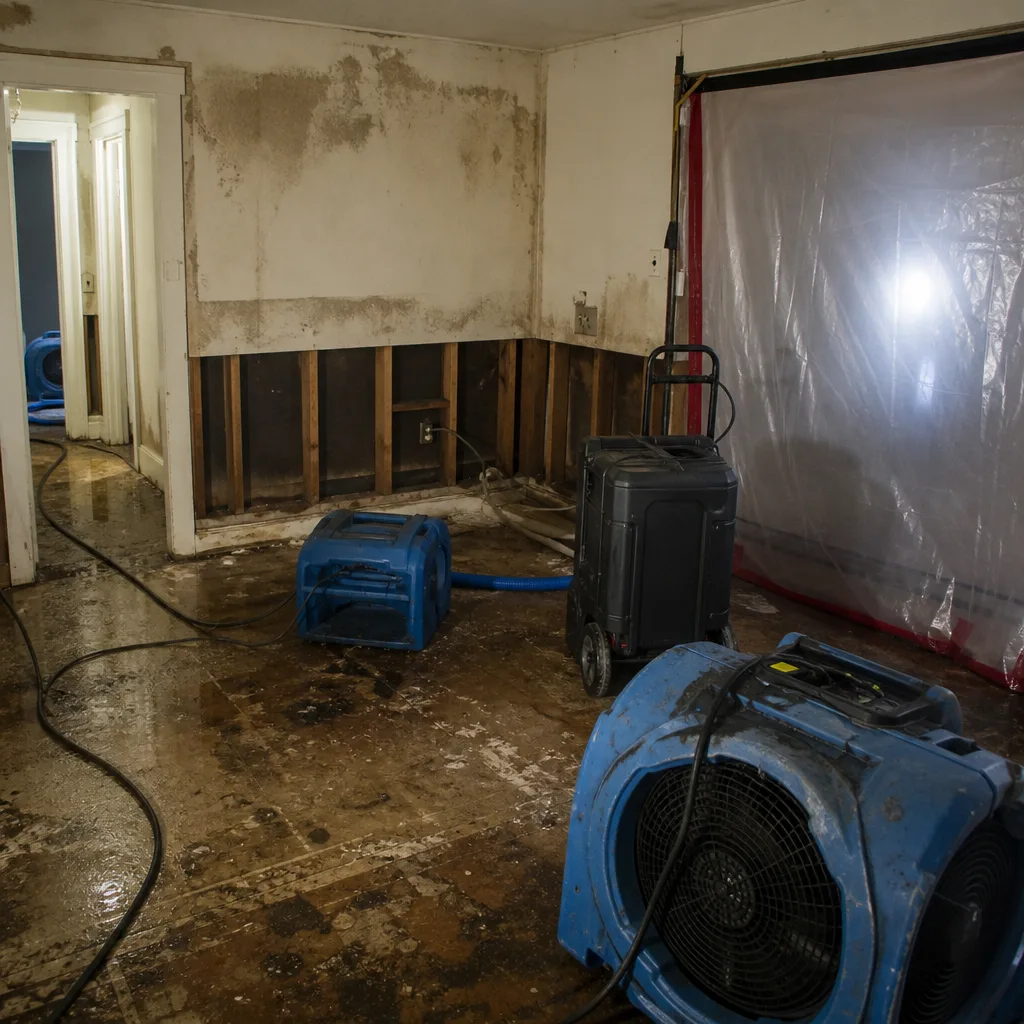 Before
 After
After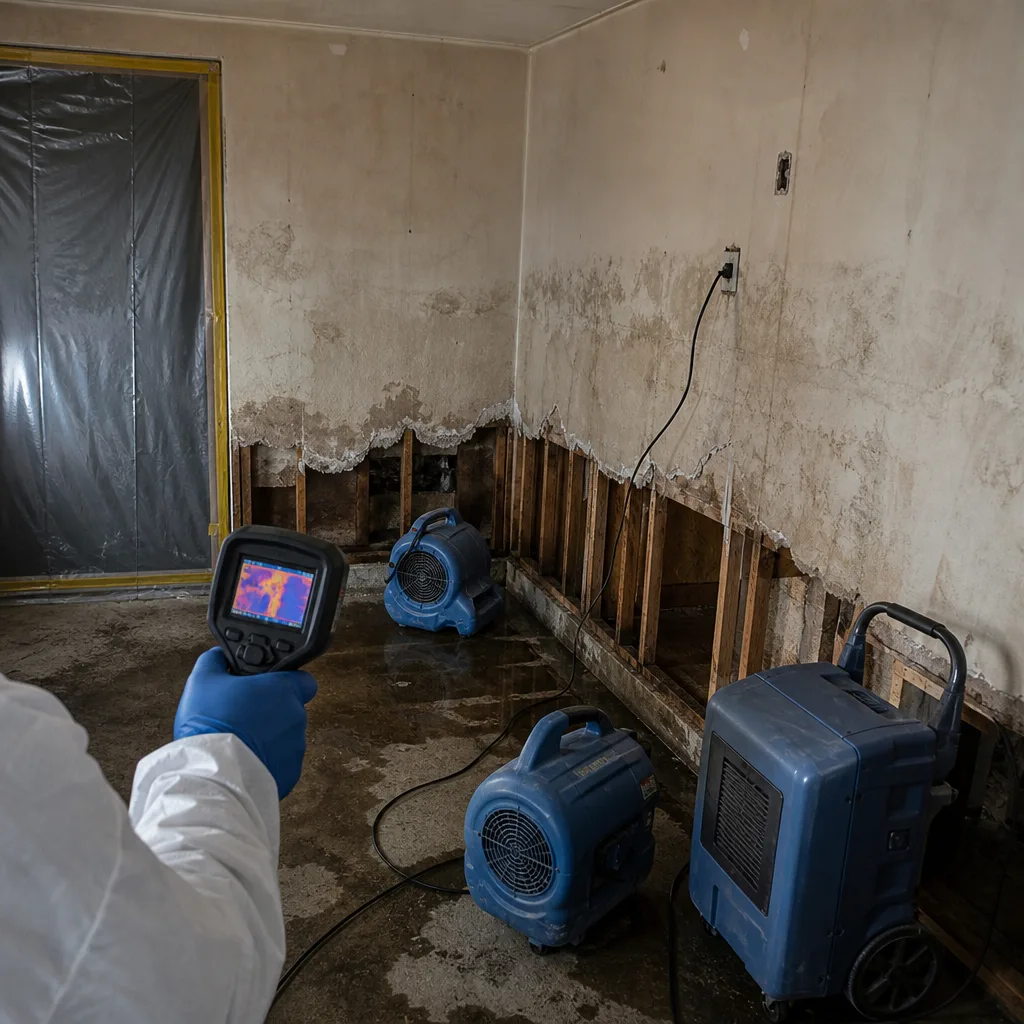 Before
 After
After