
Last updated October 16, 2026
 Water damage drying
 Fire & smoke cleanup
 Mold remediation
 Storm response
 Sewage cleanup
 Reconstruction
Free visual inspection and a written scope of work before any mitigation begins - photos, moisture readings, and drying logs go in your claim file
The scope we write is the scope we bill. Anything new gets shown to you, in writing, before we touch it.
Get your free estimateDIY vs Professional Damage Restoration: The Sacramento Homeowner’s Decision Guide
Here’s a number that should stop every Sacramento homeowner mid-rental: California Insurance Code gives carriers the right to deny a claim for subsequent damage when a prior homeowner repair created conditions for mold growth. That means a $400 do-it-yourself dry-out on a gray-water leak can quietly become a five-figure denial at the next incident. Most homeowners never learn this until an adjuster points to a missing drying log. This guide gives you a decision framework built on moisture class, material category, and insurance implications, not on fear or an arbitrary dollar threshold. You’ll learn exactly where DIY is safe, where it creates liability, and how to tell the difference in your own home.
Quick Answer
DIY restoration is only safe for Category 1 clean-water events affecting hard surfaces under about 10 square feet, where you can fully dry the area within 24 to 48 hours. Professional restoration becomes necessary when water is gray or black, when porous materials like drywall or carpet pad are saturated, when the affected area exceeds roughly 10 square feet, or when you will ever want to file an insurance claim for related damage. In Sacramento, the stakes are higher than most homeowners realize because our hot summers accelerate mold growth once moisture is trapped.
Restoration work we handle
Table of Contents
- The Three Variables That Decide DIY vs Professional
- Water Categories: Clean, Gray, and Black in Plain Language
- The Materials Matrix: What Dries, What Hides, What Must Go
- What Sacramento Homeowners Can Legally and Effectively Do Themselves
- The Insurance Documentation Gap in DIY Restoration
- Hidden Costs That Make DIY More Expensive Than It Looks
- The One Scenario Where Professional Restoration Is Non-Negotiable
- Why Sacramento’s Climate Makes This Decision Different
- Common Mistakes to Avoid
- When to Call a Professional
The Three Variables That Decide DIY vs Professional
Forget skill level. Forget how handy you are. The DIY-versus-professional decision in damage restoration comes down to three measurable variables: water category, materials affected, and square footage. These three factors determine whether self-remediation saves money or becomes the most expensive repair you never saw coming.
Here’s the decision matrix we use when homeowners in Sacramento call us asking whether to tackle a water event themselves. It’s the same framework our technicians apply on the first phone call, before anyone schedules a visit:
- Water Category 1 (clean water, from a supply line or broken pipe): DIY is viable on hard surfaces under 10 square feet. Full stop. Anything larger and you’re gambling with trapped moisture.
- Water Category 2 (gray water: washing machine overflow, dishwasher discharge, toilet overflow with urine, HVAC condensate): DIY is not recommended in any quantity. Gray water contains contaminants you cannot fully neutralize with consumer products. Professional extraction and antimicrobial treatment is the standard.
- Water Category 3 (black water: sewage, floodwater, toilet overflow with feces, river water): DIY is not safe, not legal in most situations, and not effective. This is a health hazard requiring PPE and commercial remediation.
- Hard surfaces (tile, concrete, sealed hardwood): Dryable in place if the water is Category 1 and the area is small. Moisture can be removed without removal of material.
- Porous materials (drywall, carpet pad, insulation, particleboard, unsealed wood): These absorb water like a sponge and hide it for weeks. In most cases they must be removed and replaced, not dried in place. DIY drying does not address water inside wall cavities.
- Structural elements (wall plates, subfloor, sill plates, joists): Professional territory, always. Structural framing holds moisture deep in the grain and requires moisture meters, injection drying, and documentation to avoid long-term rot.
Here’s the thing about square footage that most guides get wrong: it’s not a strict cutoff. It’s a proxy for drying capacity. A consumer dehumidifier from the hardware store can remove roughly 20 to 30 pints of water per day under ideal conditions. A saturated wall cavity behind 20 square feet of drywall holds more water than that machine can extract before mold colonizes, typically within 48 to 72 hours. That math, not a magic number, is why we say under 10 square feet is the DIY ceiling.
Water Categories: Clean, Gray, and Black in Plain Language
The restoration industry uses three water categories defined by the IICRC, the Institute of Inspection, Cleaning and Restoration Certification. These categories determine what is safe to touch, what requires protective equipment, and what your insurance company will expect to see documented. Understanding them is the difference between informed decisions and expensive mistakes.
Category 1: Clean Water
Clean water comes from a sanitary source: a broken supply line under the sink, a failed water heater relief valve, an overflowing bathtub with no contaminants, or a refrigerator water line. This is the only category where homeowner self-remediation is reasonable. The water is potable at its source. It becomes contaminated only after it sits, picks up chemicals from flooring, or passes through building materials. Time matters: Category 1 water that sits for 48 hours degrades into Category 2.
Category 2: Gray Water
Gray water carries biological or chemical contamination that can cause illness. Think washing machine discharge (detergent, soil, skin cells), dishwasher overflow (food particles, grease), toilet overflow with urine, or HVAC condensate from a dirty drain pan. In Sacramento, we see gray water most often from laundry rooms on slab foundations, where the discharge saturates the drywall behind the washer before anyone notices. Gray water requires antimicrobial treatment after extraction. Consumer bleach solutions at household concentrations do not meet the standard for sanitizing porous building materials.
Category 3: Black Water
Black water is grossly contaminated with pathogens, sewage, toxic chemicals, or heavy metals. Sewage backups, floodwater from the American or Sacramento River, toilet overflows with feces, and standing water that has been sitting for more than 72 hours all qualify. Black water restoration requires PPE, controlled demolition, and disposal of affected materials. This is never DIY territory. The health risk to children and pets is immediate, not theoretical. If you have black water in your home, evacuate the area, shut off power to that section if safe to do so, and call a professional restoration company immediately.
The Materials Matrix: What Dries, What Hides, What Must Go
Different materials behave completely differently when wet. The same water event that leaves your tile floor spotless after a quick mop can destroy the unsealed drywall behind it. Understanding what water does to each material class is essential to deciding whether you can handle it yourself.
Materials You Can Dry in Place (Category 1, Small Areas)
- Ceramic tile and grout (sealed): Non-porous surface. Water sits on top and evaporates. A thorough cleaning and a fan usually suffice, provided the subfloor underneath was not reached.
- Concrete slab: Not porous in a way that matters for small spills. Standing water on a garage slab in Sacramento dries quickly in summer heat. Watch for water running under walls into adjacent rooms.
- Sealed hardwood: A quick wipe-down of a small spill on a properly sealed floor is usually fine. The risk is water that finds seams and penetrates to the subfloor, which you cannot see from above.
- Vinyl plank flooring: The surface dries fine, but water that gets under the planks stays there. If the planks are floating (not glued down), water underneath means pulling them up to dry the subfloor.
Materials That Hide Water and Must Be Replaced
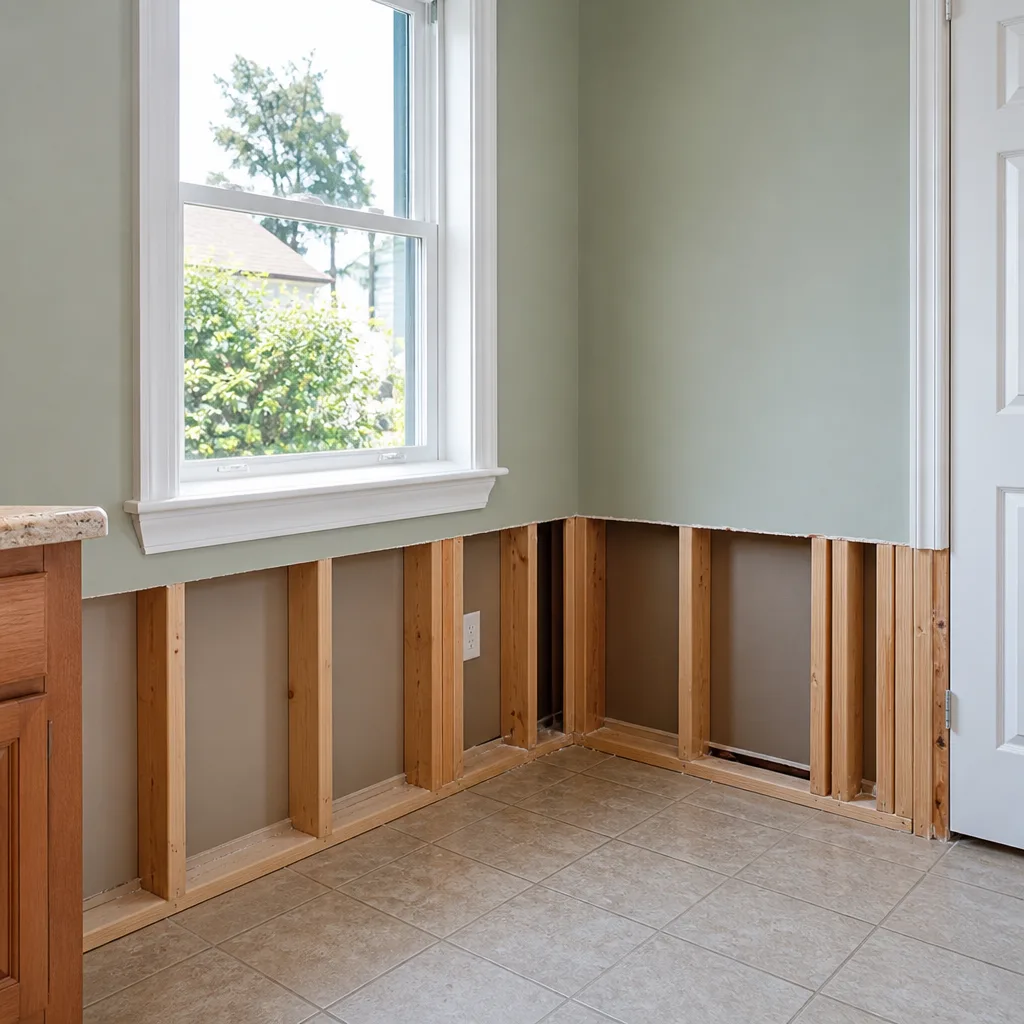
- Drywall: Absorbs water up to 2 feet above the visible water line through capillary action. The moisture wicks upward behind the paint, into insulation, into wall voids. A dry-looking wall can conceal a wet cavity that grows mold within days.
- Carpet pad (underlayment): The pad is a sponge. Even if the carpet surface feels dry, a saturated pad holds water against the subfloor for weeks. Pull-and-replace is the standard for Category 2 or saturated Category 1.
- Insulation (fiberglass batts and blown-in): Once wet, fiberglass insulation loses its R-value permanently and compresses. It also holds moisture against framing members. Wet insulation cannot be dried and reused.
- Particleboard and MDF: These pressed-wood products swell, crumble, and disintegrate when wet. They never return to their original shape. If your Sacramento home has manufactured wood baseboards or underlayment, they are a total loss once saturated.
- Structural framing (plates, studs, joists, subfloor): Wood framing technically can be dried, but it requires injection drying (using equipment like Injectidry systems to force air through wall cavities), moisture meters to verify progress, and ongoing monitoring. This is not a rental-fan job.
What Sacramento Homeowners Can Legally and Effectively Do Themselves
Let’s be clear about your rights and capabilities as a homeowner. You are not helpless. There are meaningful actions you can take in the first hours after a clean-water event that will save money, limit damage, and set up a better outcome whether or not you ultimately call a professional.
Step-by-Step: What You Can Safely Do for a Category 1 Water Event Under 10 Square Feet
- Stop the source. Shut off the water at the fixture valve or the main supply. This is your first move, always, before anything else.
- Cut power to the affected area if water has reached any outlet, appliance, or electrical line. Sacramento building codes require GFCI protection in wet areas, but do not test that protection with your body. Cut the breaker.
- Extract standing water. A wet-dry shop vacuum removes the bulk of surface water. Use a squeegee for hard floors. Move slowly and methodically. Get every standing puddle.
- Move contents. Lift furniture, rugs, and personal items out of the wet zone. Put furniture legs on foil or plastic blocks. Move rugs to a dry area. This prevents staining and secondary damage.
- Run a consumer dehumidifier and a box fan. Position them to create cross-flow across the wet surface. Close the door to the room and let them run continuously for at least 48 hours. Sacramento’s dry summer air is an advantage here; open a window only if outdoor humidity is below 50 percent.
- Document everything. Take photos before, during, and after. Note the time and date on each. Keep humidity readings if you have a consumer hygrometer. These photos establish a timeline but do not replace professional documentation for insurance purposes (more on that below).
- Monitor for 72 hours. Check daily for musty odors, visible discoloration, or swelling of adjacent drywall. If anything changes, stop and call a professional.
What you cannot legally or safely do yourself: anything involving sewage or floodwater (public health matter), any work requiring you to cut open walls to check for hidden moisture (you cannot verify drying without a moisture meter and training), and any antimicrobial application on porous materials (consumer products are not formulated for this, and most are ineffective at household concentrations).
What “Moving Contents” Really Means
When water hits, your first instinct is to save things. That’s correct and it matters. But how you move things matters too. Lift, don’t drag, furniture across wet floors to avoid scratching tile and grinding water into grout lines. Books and papers should be stand-frozen or freeze-dried, not oven-dried. Electronics go to a professional electronics restorer, not a bag of rice. Photographs and documents can be rinsed (if Category 1) and air-dried flat. In our experience, the biggest content losses in Tidemark Water Damage Sacramento home service calls are not from the water itself but from well-meaning homeowners piling wet books into a box and forgetting them for a week. Mold does not check your intentions.
The Insurance Documentation Gap in DIY Restoration
Here is the uncomfortable truth that no one in the restoration industry wants to spell out loudly, and it’s the number one reason DIY drying is riskier than most homeowners realize: a homeowner’s photos and a receipt for a rental fan do not satisfy an insurance adjuster’s documentation standard for a future related claim.
When a professional restoration company like ours completes a dry-out, we produce a drying log. That log includes:
- Timestamped moisture readings from a professional moisture meter, taken at multiple points across the affected area, including inside wall cavities when relevant
- Daily psychrometric readings (temperature, relative humidity, and grains per pound of moisture in the air)
- Equipment placement and runtime records (which units, running which hours, changing conditions over time)
- A drying goal based on the moisture content of an unaffected area of the same material (the “dry standard”)
- Verification that the area was returned to the dry standard before equipment was removed
That drying log is what an adjuster looks for when evaluating a claim for related damage months later. Your photos show what the room looked like. They do not show what the moisture content of the wall cavity was on day three, or whether it ever reached the dry standard.
Here’s the specific failure pattern we see in Sacramento: a homeowner has a Category 1 pipe leak under the kitchen sink. They run a rental fan from a local equipment yard for four days. The visible area looks dry. The wall behind the baseboard, however, is still at 22 percent moisture content. Normal drywall reads about 8 to 10 percent. Six months later, mold appears behind the baseboard. The homeowner files a claim. The adjuster asks for the drying log. There is no drying log. The claim is denied because, under California Insurance Code, the homeowner’s prior repair created conditions for the mold. That is a $4,000 remediation that should have been covered, denied because a $400 DIY dry-out did not meet the standard.
This is not an argument that adjusters are unfair. It’s the structural reality of how insurance works. The policy covers sudden and accidental damage. It does not cover damage caused by incomplete repairs. Proving your repair was complete requires documentation that only professional equipment and training produce.
Hidden Costs That Make DIY More Expensive Than It Looks
The sticker price of DIY is the rental fee. The real cost is everything that happens after. Here’s a breakdown of the hidden costs Sacramento homeowners routinely overlook when deciding whether to self-remediate.
Equipment Rental Rates vs. What You’re Actually Getting
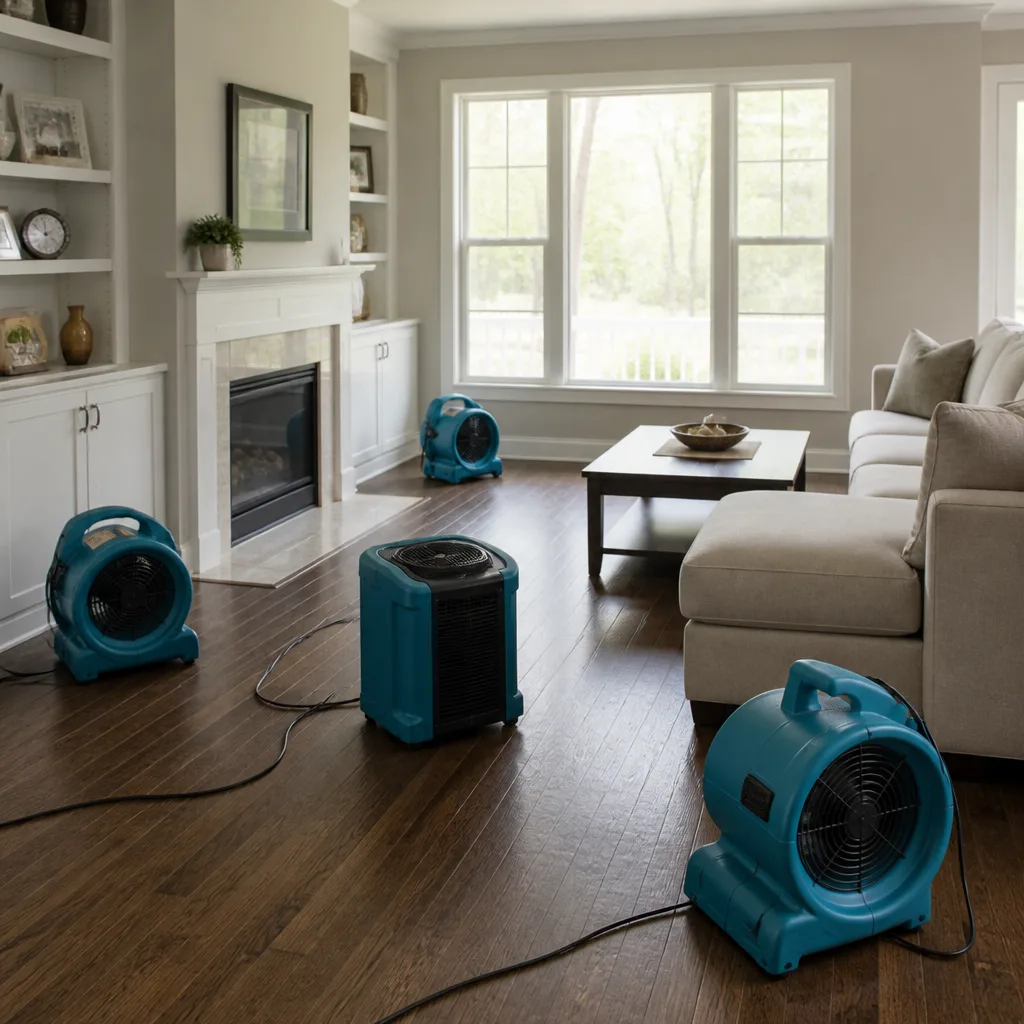
A consumer-grade dehumidifier from a Sacramento equipment rental yard costs roughly $45 to $70 per day. A box fan adds $15 to $25. Three days of DIY drying: about $180 to $285, before you account for your own time. What you’re getting is a machine that extracts 20 to 30 pints per day and moves air at a fixed rate. What a professional restoration company brings is a water damage restoration system built around commercial dehumidifiers that extract 100 to 130 pints per day, high-velocity air movers positioned using airflow mapping, and injection drying mats that force air into wall cavities. The rental fan is a fan. The professional system is a drying plan.
Antimicrobial Product Effectiveness: Consumer vs. Commercial Concentrations
Products sold at hardware stores to “kill mold” or “sanitize after water damage” are formulated for surface cleaning, not for treating water-damaged porous building materials. The active ingredients in consumer antimicrobials are typically the same chemical families as commercial products, but at concentrations and with dwell-time requirements that make them ineffective for restoration. Applying a consumer product to saturated drywall and considering the job done gives you a false sense of security while mold colonizes behind the wall. Commercial antimicrobials used by mold remediation professionals are applied at concentrations tested against IICRC S500 standards, with specific application methods and dwell times.
The Cost of Re-opening a Job That Wasn’t Dried to Standard
This is the hidden cost that blows every DIY budget apart. Here’s the sequence: you dry the area yourself. It looks dry. You replace the baseboard and repaint. Six weeks later, the paint is bubbling and there’s a musty smell. Now you have to remove everything you just installed and paid for, plus the original water-damaged material that was not fully dried, plus remediate the mold that grew in the meantime, plus reinstall and repaint again. The professional route would have cost more on day one. The DIY-then-fix route costs more than the professional route would have, plus the cost of your own work, plus the six weeks of living with hidden mold in your home. In Sacramento’s summer heat, that six-week window is enough for a small mold colony to become a serious problem.
Your Time Is Not Free
The DIY time commitment for even a small water event is 6 to 12 hours of active work, plus daily monitoring, plus the mental load of wondering whether it’s actually dry. If you bill your time at anything close to what a Sacramento plumber or electrician charges, you’ve already exceeded the cost of professional restoration for a small job. And the professional crew finishes in a day or two, not a week of uncertainty.
The One Scenario Where Professional Restoration Is Non-Negotiable
There is a clear line that no homeowner should cross, regardless of budget, skill level, or square footage. If water from a Category 2 or Category 3 source is present in a home with children, elderly occupants, or pets, professional restoration is not a decision. It’s a requirement.
Here’s why. Children under five are more susceptible to the pathogens in gray and black water because their immune systems are still developing. Elderly occupants, especially those with respiratory conditions or compromised immunity, face serious health risks from airborne mold spores and bacterial contamination. Pets drink water from floors. A dog or cat will consume contaminated water before you notice what they’re doing.
Mold remediation in these scenarios requires more than just drying. It requires antimicrobial treatment of surfaces children touch, pet-safe products where there is a choice, and verification that the indoor air quality has been restored. Tidemark Water Damage Sacramento uses pet-safe drying agents specifically because of this reality. We live in Sacramento, we serve Sacramento families, and we know that the standard for a child’s bedroom is not the same as the standard for a crawl space. The written price before work starts applies here too: you see the number before anyone picks up a tool, and the 365-Day Done Right Promise means if the job is not done right, we make it right.
This is also the scenario where insurance is almost always involved. Category 2 and 3 water events are precisely the claims that require professional documentation. If you don’t have a drying log, you don’t have a claim. If you do have a drying log, from a fire or water restoration company with IICRC, RIA, and IFA-credentialed technicians, the adjuster has what they need to approve it.
Why Sacramento’s Climate Makes This Decision Different
Sacramento has a specific climate profile that affects every restoration decision, and regional guides that ignore it are not giving you the full picture. Our summers are hot and dry with daytime temperatures routinely hitting 95 to 105 degrees. Our winters are cool and wet, with concentrated rainfall between December and February. Our soil in many Sacramento neighborhoods, particularly in older areas like Midtown, East Sacramento, and Land Park, has high clay content that expands when wet and drains slowly.
What this means for restoration:
- Summer advantage: In July and August, Sacramento’s low outdoor humidity makes evaporation faster than in coastal climates. A small Category 1 spill on tile will dry faster here than in San Francisco. This works in the DIY homeowner’s favor for genuinely small incidents.
- Summer disadvantage: High temperatures accelerate mold growth. Mold that takes five days to colonize in a 70-degree coastal home can colonize in three days in a 90-degree Sacramento house. If moisture is trapped inside a wall cavity, the clock is running faster here.
- Winter challenge: Sacramento’s winter storms and occasional river flooding bring Category 2 and 3 water into homes. Winter also brings lower evaporation rates and higher indoor humidity, making DIY drying less effective when rainfall is frequent and homes are closed up.
- Slab foundations: Many Sacramento homes built after 1960 sit on concrete slabs. Water on a slab wicks under walls into adjacent rooms, into baseboards, and under flooring, spreading silently beyond the visible wet area. This is why “it doesn’t look that big” is a dangerous phrase in Sacramento.
One more local factor: Sacramento’s housing stock includes a large number of mid-century ranch houses with unsealed hardwood and original plaster-over-drywall construction. Plaster presents differently than modern drywall when wet. It dries slower, hides water behind it for longer, and can develop mold in the lath structure behind the plaster. If your home is pre-1970, assume water traveled further than you can see.
Common Mistakes to Avoid
- Waiting to see if it dries on its own. Water inside wall cavities does not evaporate naturally. It sits there. In Sacramento’s warm climate, mold growth starts within 48 to 72 hours. By the time you smell it, the problem is behind the wall.
- Using a household fan instead of a dehumidifier. A fan moves air. It does not remove water from the air. In Sacramento’s summer, moving moist air around a closed room actually raises the dew point in some cases. You need dehumidification, not just air movement.
- Treating gray water like clean water. Washing machine overflow and dishwasher discharge are not the same as a supply line leak. If you treat gray water as clean, you sanitize the surface but leave contamination inside porous materials.
- Replacing drywall only up to the visible water line. This is the most common DIY repair failure we see in Sacramento homes. Water wicks upward. Cutting at the visible line leaves wet drywall above the repair. Cut at least 4 to 6 inches above the highest visible water mark.
- Filing an insurance claim before assessing the scope. Calling your insurer the moment water appears creates a claim record even if the damage turns out to be $800. Your premium may rise for a payout that never happens. Assess first, document, then decide.
- Skipping the moisture meter check. You cannot see moisture content. You cannot feel it reliably by hand. If you’re going to attempt any drying, borrow or buy a consumer-grade moisture meter and take readings. If you don’t know what number you’re targeting, you’re not actually drying.
- Forgetting to document the before. Photos of the wet area before you touch anything are your only proof of what happened. Once you move contents and start extraction, the scene changes. Take the photos first.
When to Call a Professional
Call a professional restoration company when the water is Category 2 or 3, when porous materials are saturated, when the affected area exceeds roughly 10 square feet, when the water has reached wall cavities or under flooring, when children, elderly occupants, or pets are in the home, or when you will ever file an insurance claim related to this event. That covers most real-world water damage in Sacramento. Tidemark Water Damage Sacramento offers free estimates in Sacramento. Call (279) 277-2396 and a real person answers, 24/7. The written price comes before the work starts. The shoe covers and drop cloths go on at the door, not as an upsell. And the photo of the clean-up is sent to you before the crew leaves, so you see exactly what was done and how it was left.
See the difference
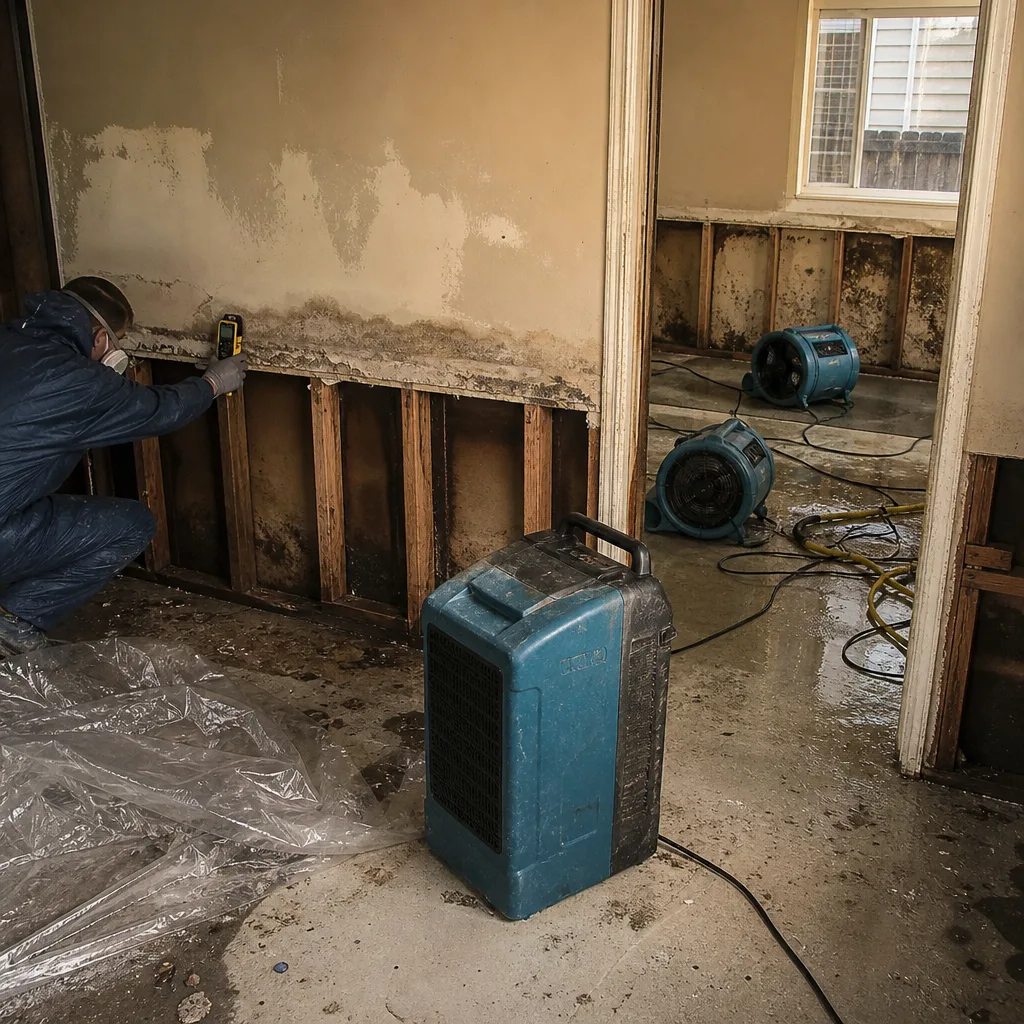 Before
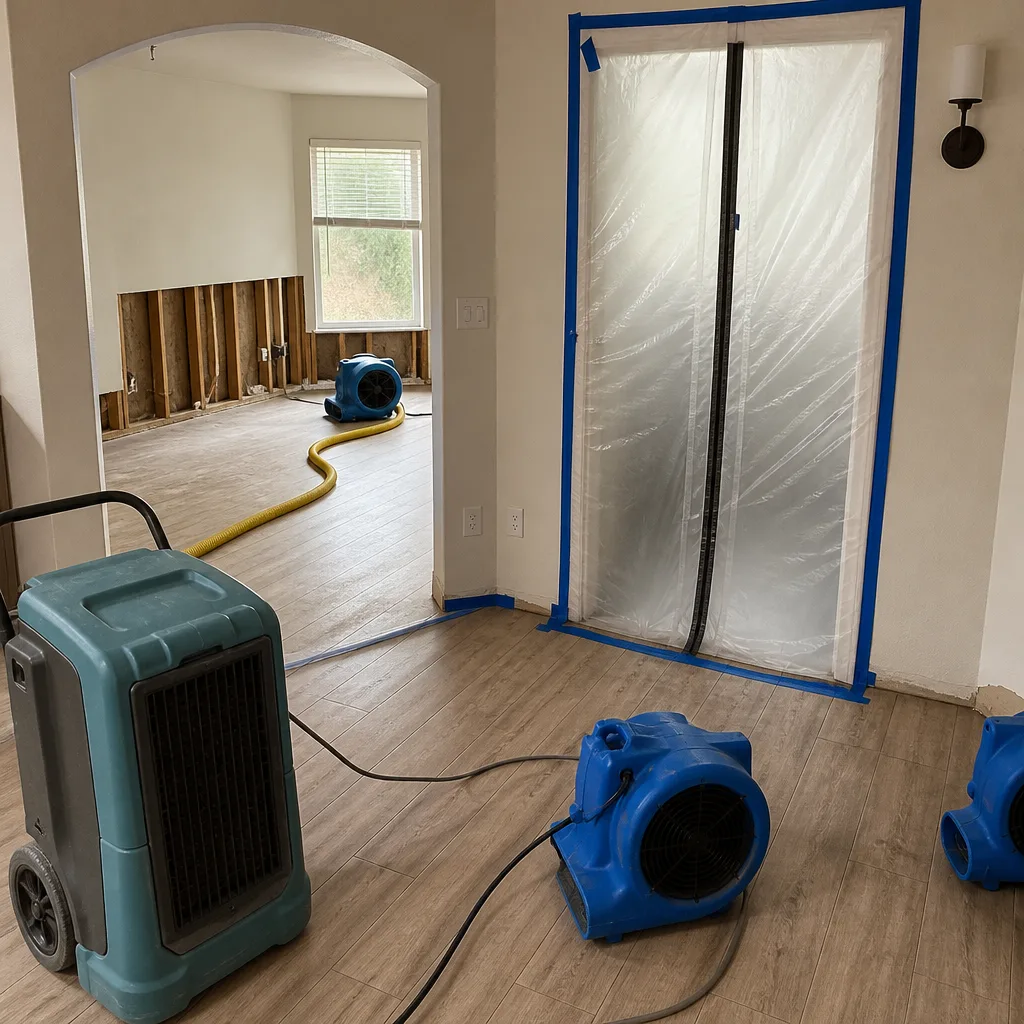 After
After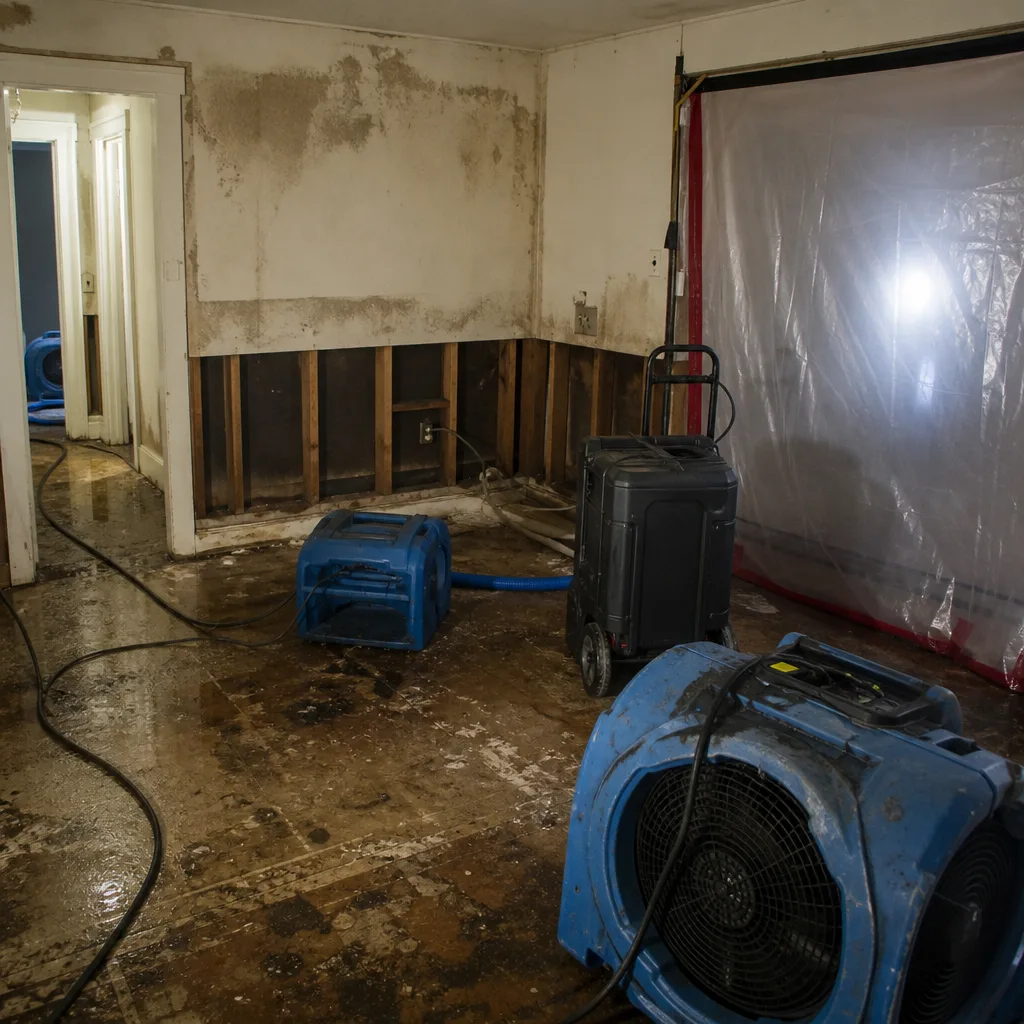 Before
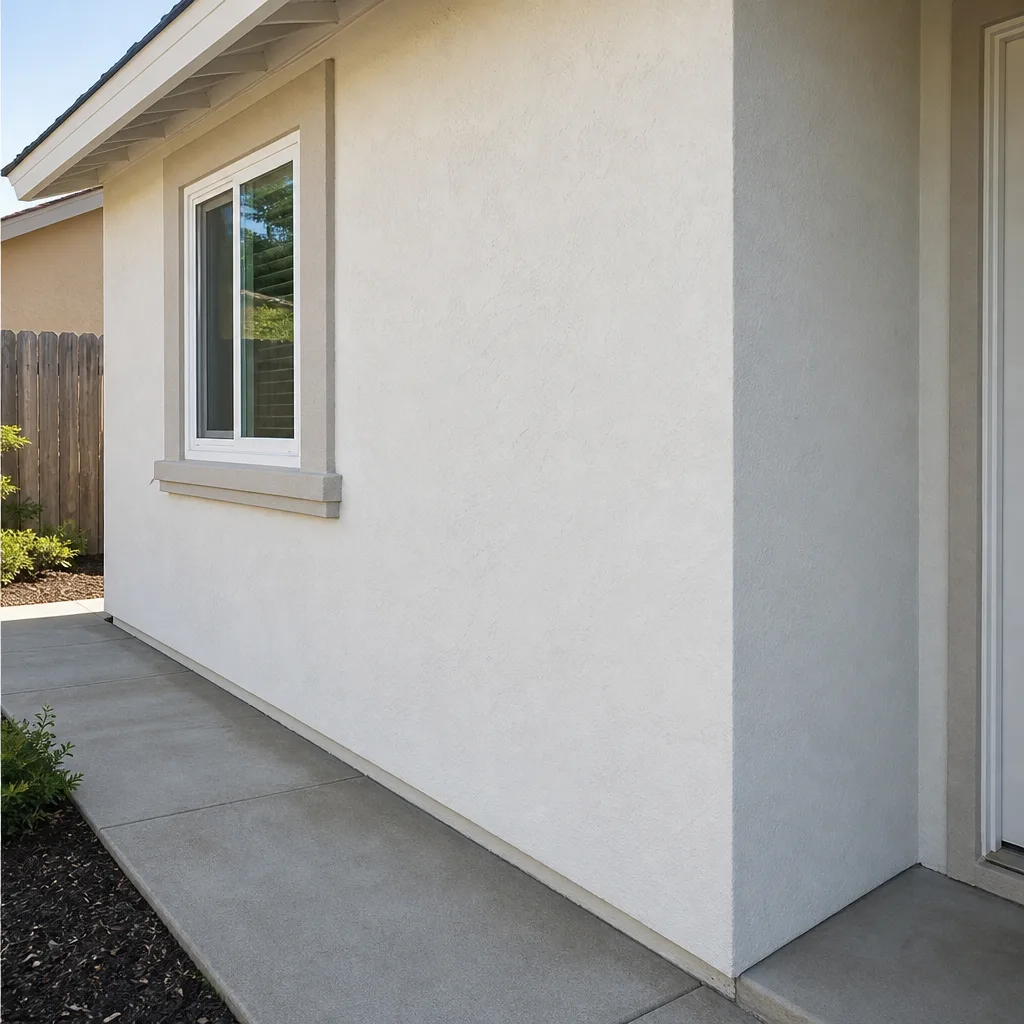 After
After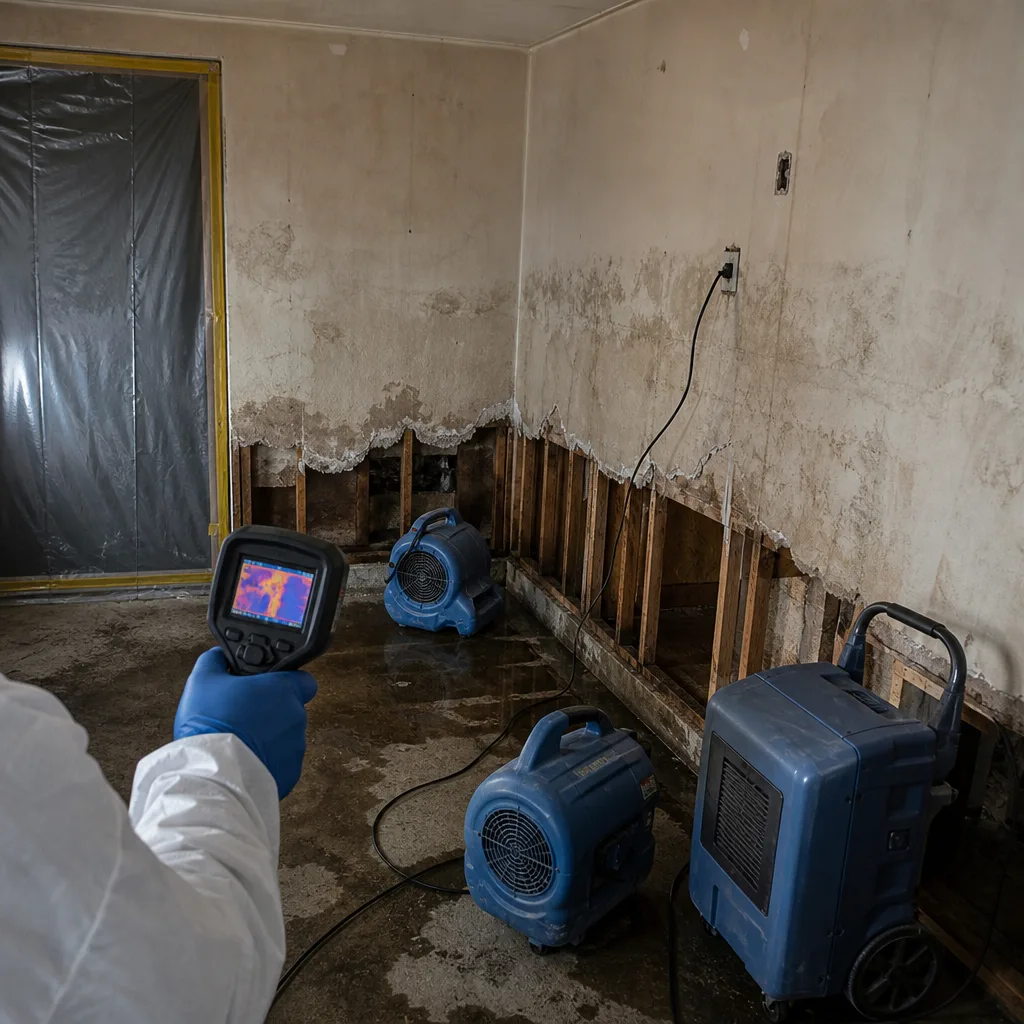 Before
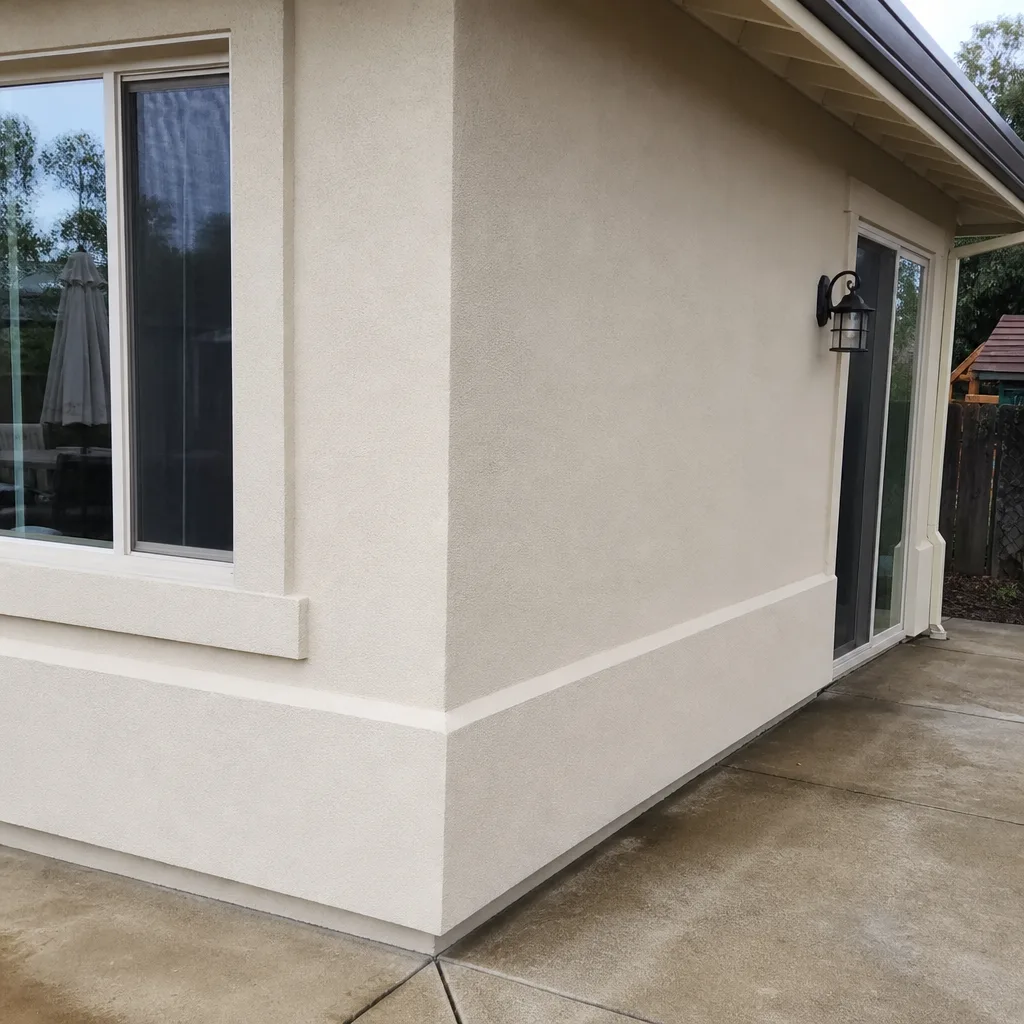 After
AfterFrequently Asked Questions
Check three things: the water source (clean supply line vs. gray or black water), the materials affected (hard surfaces only vs. drywall, carpet pad, or framing), and the square footage (under 10 square feet vs. larger). If all three land on the “safe” side, a DIY dry-out is reasonable. If any one of them lands on the risky side, call a professional before the water gets older than 48 hours.
A rental dehumidifier can help with small, Category 1 events on hard surfaces, but it cannot dry the inside of a wall cavity. Drying a wall requires either removing the drywall to expose the cavity or using injection drying equipment like the Injectidry systems our technicians operate. A fan pointed at a wall dries the surface, not the space inside it.
Your insurance can deny a claim for subsequent related damage if your prior DIY repair did not meet professional drying standards and created conditions for mold growth. This is a specific provision under California Insurance Code, and it is why professional drying logs with timestamped moisture readings matter. Homeowner photos do not satisfy the documentation standard that adjusters require.
In Sacramento’s warm climate, mold can begin colonizing within 48 to 72 hours of a water event, faster than in coastal California. The exact timeline depends on temperature, humidity, and the material involved. Drywall and carpet pad are the fastest to show growth. This is why waiting to see if it dries on its own is a losing strategy here.
Water damage restoration addresses the water event itself: extraction, drying, structural drying, and returning the affected area to its pre-loss condition. Mold remediation is the removal and treatment of mold that has already colonized. The two often overlap, but the key difference is timing. Mold remediation in Sacramento becomes necessary when water damage is not fully dried within the first 48 to 72 hours.
For most Category 1 water events, no. You can stay in your home while drying equipment runs, though the affected room may be off-limits. For Category 2 or 3 events, especially those involving sewage or floodwater, temporary relocation of the affected area’s occupants is often recommended until antimicrobial treatment is complete. Sacramento families with young children or immunocompromised occupants should discuss this directly with their restoration technician.
Costs vary widely based on water category, square footage, materials affected, and whether structural drying is required. Every job we do at Tidemark Water Damage Sacramento begins with a written price before any work starts, so the number is never a surprise. For a specific quote on your situation, call (279) 277-2396 and describe what happened. A real person answers, day or night, and estimates are free.
The Bottom Line
DIY water damage restoration is safe and appropriate for exactly one scenario: Category 1 clean water, hard surfaces only, under about 10 square feet, in a home where you can monitor drying for at least 48 hours. Everything else carries risks that are invisible in the moment and expensive later. The insurance documentation gap alone makes professional restoration the financially rational choice for any event that could connect to a future claim. Sacramento’s hot climate accelerates mold growth and makes “wait and see” the most costly strategy of all. If you’re not sure which side of the line your situation falls on, call (279) 277-2396. The assessment is free. The answer is specific to your home, not a generic guide. And you’ll know exactly what the fix costs before anyone picks up a tool.
Written by Rick Sumner, Owner at Tidemark Water Damage Sacramento, serving Sacramento since 2006.