
Last updated October 16, 2026
 Water damage drying
 Fire & smoke cleanup
 Mold remediation
 Storm response
 Sewage cleanup
 Reconstruction
Free visual inspection and a written scope of work before any mitigation begins - photos, moisture readings, and drying logs go in your claim file
The scope we write is the scope we bill. Anything new gets shown to you, in writing, before we touch it.
Get your free estimateDamage Restoration Warning Signs: A Sacramento Homeowner’s Reference Guide
By the time you smell mold in a Sacramento home, the underlying moisture has typically been present for 72 hours or more. That is enough time for mold colonies to establish, for drywall paper to begin delaminating from its gypsum core, and for wood framing to start wicking water upward through capillary action. Most guides tell you to look for visible mold, soft drywall, and musty odors. Those are late-stage signals. They appear after structural harm has already begun. This guide teaches you to read the earlier, subtler signs, the ones specific to Sacramento’s soil conditions, housing stock, and seasonal patterns, so you can act before a small problem becomes a Category 3 loss.
Quick Answer
Water damage warning signs in Sacramento homes include sudden door frame sticking in winter, straight-line grout cracks near exterior walls, paint bubbling isolated to one room, unexplained water bill increases, floor squeaks that develop after rain, and HVAC condensate pans that overflow more than once. These early-stage signals appear before visible mold or soft drywall. If you notice two or more of these signs within the same month, schedule a professional moisture inspection rather than waiting for the problem to become visible; our How to Hire a Damage Restoration Contractor in Sacramento: A Step-by-Step Guide walks you through choosing the right expert.
Restoration work we handle
Table of Contents
- Six Early-Stage Warning Signs That Precede Visible Damage
- How Sacramento’s Older Housing Stock Masks Moisture Differently
- Cosmetic Water Stain vs. Active Leak Signature: A Visual Test
- Outdoor Warning Signs Specific to Sacramento
- Triage Decision Tree: Monitor, Inspect, or Call Within 24 Hours
- Sacramento’s Seasonal Moisture Patterns and What They Trigger
- Common Mistakes to Avoid
- When to Call a Professional
- Frequently Asked Questions
Six Early-Stage Warning Signs That Precede Visible Damage
These six signals appear before you will ever see a water stain on a ceiling or smell must in a hallway. They are the early-warning system of a Sacramento house, and each one points to a specific moisture pathway. Learn them, and you will catch problems when they are still measured in hundreds of dollars instead of thousands. In our experience across Sacramento, homeowners who recognize two or more of these signs in the same month almost always have an active moisture issue, even when no visible staining exists yet.
- Door frames that stick suddenly in winter. Sacramento’s rainy season runs November through March. Wood door frames absorb ambient humidity and swell. If a door that closed cleanly in August suddenly binds against its frame in January, and you have not repainted or replaced hinges, moisture is entering the wall cavity somewhere near that door. Interior doors stick first because they are painted on all sides, trapping moisture inside the wood itself.
- Tile grout cracking in a straight line near exterior walls. Grout cracks randomly from age, but cracks that follow a straight vertical or horizontal line often trace the seam between two substrate panels. When moisture gets behind tile, the backer board expands slightly. The grout, which cannot flex, cracks in a line. In Sacramento homes with post-tension slab foundations, we see this near exterior thresholds and under windows where stucco flashing has failed.
- Paint bubbles appearing in only one room. Paint blisters when moisture vapor pushes through the wall from behind, lifting the paint film off the surface. When it happens in one room only, the moisture source is room-specific: a leaking supply line in an adjacent wall, a window frame that channels rainwater, or a bathroom exhaust fan venting into the attic instead of outside. Whole-house bubbling points to humidity, but single-room bubbling points to a leak.
- Unexplained increases on water bills. Sacramento’s water rates have climbed steadily, so most homeowners notice a spike. A toilet with a silent flapper leak wastes 200 gallons a day. A pinhole leak in a slab supply line wastes more, quietly. Compare your current bill to the same month last year, not to the month before. Seasonal outdoor watering skews month-to-month comparisons, but year-over-year same-month jumps of 20 percent or more without a change in family size or irrigation habits deserve investigation.
- Floor squeaks that develop after rain. A floor that squeaks only during or after rain is different from a floor that has squeaked for years. When subfloor plywood absorbs moisture, it swells against the nail shanks, creating a new friction squeak. In Sacramento, homes with crawl spaces and pier-and-beam foundations show this pattern after heavy rain when drainage around the perimeter fails. The squeak is the subfloor telling you water is reaching it from below.
- HVAC condensate pans that overflow more than once. Sacramento summers push air conditioners hard. The condensate drain line clogs with dust and algae, the pan fills, and water overflows into the emergency pan or onto the closet floor. Once is maintenance. Twice in one season signals the drain line is undersized, incorrectly sloped, or connected to a plumbing line that is backing up. Water pooling around an air handler in a Sacramento closet soaks the platform, the subfloor, and the ceiling below before you see it.
None of these signs, by itself, proves hidden water damage. Two or more within a month, especially in the same area of the house, should move you from watching to investigating. A Water Damage Restoration in Sacramento professional with a moisture meter can confirm or rule out active moisture in under an hour, often before any demolition is needed.
How Sacramento’s Older Housing Stock Masks Moisture Differently
Sacramento’s pre-1980 neighborhoods, East Sacramento, Land Park, Curtis Park, and the grid streets of Midtown, were built with materials that behave differently under moisture than modern construction. Understanding these differences helps you read your house correctly. A sign that would be obvious in a 2015 Elk Grove tract home can hide for months behind 1940s plaster in East Sac.
The biggest difference is the wall surface. Homes built before about 1960 in Sacramento used plaster over wood lath or gypsum lath. Plaster is dense, cement-like, and much slower to absorb and display moisture than modern drywall. Drywall paper wicks water visibly within hours. Plaster can hold moisture against the lath for weeks before you see so much as a faint yellowing. By the time a plaster wall in a Land Park bungalow shows a stain, the lath behind it is usually saturated, and the studs have been wet long enough for mold to develop. This is why owners of older Sacramento homes report more extensive damage when a leak is finally discovered.
Older homes also have different framing dimensions. True 2×4 lumber, not the 1.5 x 3.5 dimensional lumber used today, provides slightly deeper wall cavities but also more settled, sometimes sagging, framing. When a pipe leaks inside a wall in a 1920s Curtis Park home, water travels along the settled framing paths unpredictably. It can pool in low spots created by decades of settling, then follow electrical conduits or plumbing chases down to places you would never think to look.
Foundation type matters too. Many pre-1950 Sacramento homes sit on post-and-pier foundations with crawl spaces. Moisture in a crawl space rises into the house through the floor system as vapor. This is a slow, chronic moisture source that rarely produces dramatic visual signs. Instead, homeowners notice cupping hardwood floors, musty smell in winter when the house is closed up, and condensation on the underside of vents. Newer slab-on-grade construction has its own failure mode, slab leaks from corroded copper supply lines, but at least those announce themselves through floor warmth, water bill spikes, or visible wet spots.
If you own a pre-1980 Sacramento home, treat unexplained seasonal smells, floor cupping, and baseboard separation as potential moisture signals. They are less obvious than a ceiling stain, but in old houses, they are often the only warning you get before significant damage has accumulated.
Cosmetic Water Stain vs. Active Leak Signature: A Visual Test
Not every brown ring on a ceiling means you have an active leak. Many Sacramento homes carry old water stains from roof leaks fixed years ago, from a one-time tub overflow in 2011, or from a previous owner’s plumbing failure. Knowing whether a stain is historical or active saves you from unnecessary drywall removal, and it also prevents you from ignoring a stain that is quietly growing.
Here is a practical test you can do with a pencil and a moisture meter. A basic pinless moisture meter costs $30 to $60 at any Sacramento hardware store, and it is the single most useful tool a homeowner can own for moisture triage.
- Trace the stain with a pencil. Lightly outline the stain’s edge directly on the ceiling or wall. Write the date inside the outline.
- Wait through one full weather cycle. In Sacramento, this means through a winter storm or two, or through a summer of air conditioning use. Two weeks minimum.
- Re-check the outline. If the stain has not grown beyond your pencil line and the surface feels dry, the stain is almost certainly historical. If it has expanded, darkened, or developed a ring or texture, the moisture source is active.
- Measure with a moisture meter. Hold the meter against the stained area and against a known-dry area of the same wall or ceiling a few feet away. A difference of more than 2-3 percent moisture content between the stain and the reference point, or a reading above 17 percent on drywall, indicates active moisture.
Active leak signatures have other telltale characteristics beyond the moisture meter. Active stains often feel cool to the touch compared to surrounding drywall because evaporating water chills the surface. Active stains may develop a tan or yellowish edge as minerals from the water deposit at the evaporation boundary. In Sacramento’s dry summers, a stain that remains damp despite weeks of 100-degree weather is always active, because ambient drying would have handled any trapped moisture long ago.
If the pencil test and moisture meter suggest active moisture, the next step is a professional assessment. Our technicians at Tidemark Water Damage Sacramento carry professional-grade meters and thermal imaging cameras that pinpoint moisture inside wall cavities without opening the wall, which means you get a written answer about whether the stain is live before any demolition happens.
Outdoor Warning Signs Specific to Sacramento
Sacramento’s Mediterranean climate, with its wet winters and bone-dry summers, creates distinctive exterior warning signs. The soil itself is a character in this story. Sacramento sits in the Central Valley, where clay-heavy soils expand dramatically when wet and shrink when dry. This seasonal movement is hard on foundations, hard on perimeter drainage, and hard on hardscape. Here are the outdoor signs to watch.
Efflorescence on brick or block walls near grade. Efflorescence is a white, chalky deposit that looks like salt crusting on masonry. It forms when water moves through the masonry and evaporates at the surface, leaving mineral salts behind. A little efflorescence on an older Sacramento garden wall is normal. Efflorescence that appears within the bottom 12 inches of a foundation wall, or that reappears after cleaning, means water is persistently moving through the soil against that wall. The source is almost always drainage: downspouts discharging too close to the house, irrigation overspray hitting the wall, or grade sloping toward the foundation instead of away.
Soil pulling away from the foundation perimeter during summer. This is the flip side of Sacramento’s clay soil. When the summer heat bakes the ground, clay contracts and a visible gap opens between the soil and the foundation edge. Some gap is seasonal and expected. The problem is what happens when the rain returns: water follows that gap straight down the foundation wall, saturating the soil right against the footing. Over years, this seasonal cycle of gap-open, water-channel-down, gap-close creates a persistent moisture pathway. If you see a gap wider than half an inch during summer, trim irrigation near the foundation and check that downspouts are carrying water at least four feet from the house before the rains come.
Downspout discharge pooling within four feet of the house. This is the single most common exterior drainage problem we see across Sacramento. Downspouts should discharge water a minimum of four feet from the foundation, ideally onto a sloped surface that carries it further. When the discharge point is right at the corner of the house, every winter storm flushes water against the foundation at that spot. Over time this saturates the soil, increases hydrostatic pressure against the foundation wall, and in older homes with masonry foundations, pushes water through cracks into the crawl space. The fix is usually simple: extend the downspout, add a splash block, or re-grade a few feet of soil. It costs almost nothing and prevents the most expensive type of water damage foundation erosion and crawl space flooding.
One more Sacramento-specific note: irrigation overspray from sprinklers hitting the house is a year-round moisture source that many homeowners overlook. The same clay soil that channels rainwater down the foundation in winter holds irrigation water against the stucco in summer. Check your sprinkler pattern after the system runs. The house should stay dry.
Triage Decision Tree: Monitor, Inspect, or Call Within 24 Hours
Not every warning sign requires a same-day emergency call. Some things you monitor. Some things warrant a professional moisture inspection within a week or two. A few things cannot wait. This decision tree gives you a clear path based on what you are seeing.
Monitor Yourself
- A single door that sticks during winter but frees up in spring, with no other signs anywhere in the house.
- Minor efflorescence on a garden wall that does not reappear within a month of cleaning.
- Water bill increase under 10 percent year-over-year, with no other evidence of a leak.
- A ceiling stain that fails the pencil test (no growth, dry to the touch, meter reading normal).
- Seasonal floor squeaks that disappear when the weather dries out and do not worsen year over year.
Warrants a Professional Moisture Inspection
- Two or more early-stage signs appearing within the same month.
- A stain that grows beyond a pencil outline over a two-week period.
- Moisture meter readings above 17 percent on drywall or above 12 percent on wood.
- Grout cracks in straight lines near exterior walls combined with any interior sign.
- Musty odor that appears in winter and does not resolve within a few days of opening windows.
- HVAC condensate overflow that recurs within the same cooling season.
Call Within 24 Hours
- Water actively dripping from a ceiling, a light fixture, or around a window during rain.
- A floor area that feels warm, sounds hollow, or shows darkening at the edges of the room, signs of a slab leak.
- Sewage backup or water that smells like waste. This is a Category 3 situation and requires professional handling immediately.
- Visible mold growth covering more than 10 square feet, which in Sacramento’s hot summers can spread that far in days.
- Any water event involving electrical panels, outlets, or wiring.
When you are in the third category, time is genuinely working against you. Water moves through a wall cavity at about one inch per hour wicking upward through drywall. Every hour of delay expands the affected area, which is why Water Damage Restoration in Sacramento crews like ours run 24/7 live-answer dispatch. A real person picks up, night or day.
Sacramento’s Seasonal Moisture Patterns and What They Trigger
Sacramento’s moisture risks follow the calendar more predictably than most homeowners realize. Understanding the seasonal cycle-detailed in our Seasonal Damage Restoration Care for Sacramento: Year-Round Homeowner’s Guide-helps you look for the right signs at the right time, and it explains why certain problems appear when they do.
November through March: The rain window. This is roof leak season, drainage season, and foundation-water season. The soil around your house saturates after the first few storms, and from then on, every heavy rain pushes water against exterior walls, into window frames, and through any crack in a foundation. This is when door frames stick, downspout pooling becomes visible, and crawl spaces smell musty. Sacramento’s average winter rainfall is concentrated enough that a single atmospheric river event can drop more water in 48 hours than the region gets in an entire typical month of moderate rain.
April and May: The reveal window. This is when winter moisture damage becomes visible. The soil dries, the house dries, and what is left behind is the evidence: water stains, cracking grout, paint bubbles, warped trim. This is also when mold that established during winter becomes active again as temperatures warm. We see a spike in Mold Remediation in Sacramento calls every April and May from homeowners who noticed “a smell” in February, opened the windows, and forgot about it until the heat returned.
June through September: The sweating HVAC window. Sacramento’s dry heat means air conditioners run constantly. Condensate happens. The question is whether the condensate is managed. This is when HVAC pan overflows show up, when slab leaks announce themselves through warm floor spots, and when humidity from unvented appliances becomes visible as condensation on windows. The dryness of Sacramento’s summer air works in your favor for drying, but it also masks slow leaks because water evaporates quickly instead of pooling visibly.
October: The preparation window. This is the month to check exterior drainage, clean gutters, extend downspouts, and inspect the roof before the rains return. The work you do in October determines whether January is a normal month or an emergency month. It is also the best time to schedule any moisture inspection you have been putting off, because crews are not yet in storm-response mode and the ground is as dry as it will ever be, giving the clearest baseline reading.
If you live in Sacramento long enough, you begin to feel the seasonal rhythm. The houses in this city have been through enough wet winters and dry summers to develop patterns. Learning to read those patterns is the difference between catching a leak in November and replacing a wall in April, and you can find more guides & resources on our blog to help you stay ahead of the seasons.
Common Mistakes to Avoid
- Waiting for visible water before investigating. By the time water is visible on a Sacramento ceiling or floor, it has usually been moving through the structure for days or weeks. The signs in this guide appear earlier, and learning to trust them prevents most of the damage we see.
- Chalking a rising water bill up to seasonal irrigation. Compare same-month bills year over year, not month over month, and track your irrigation meter separately if you have one. A true supply-line leak rarely crosses $20 in visible water, it crosses $50 to $100 in hidden water.
- Painting over a water stain without finding the source. Water stains bleed through paint within weeks if the moisture source is still active. The stain is not the problem, it is a symptom. Fix the water, then fix the wall.
- Ignoring a single room’s persistent musty smell because it fades when windows are open. Sacramento’s heat and dryness temporarily mask mold odor. The mold does not die in summer, it goes dormant and reactivates with fall moisture. Smell that returns after every rain is active mold, not old-house character.
- Using a box fan to dry a wet area and calling it done. Surface drying and structural drying are different things. Drywall that feels dry on the surface can hold 20 percent moisture inside the cavity. Professional drying equipment from brands like Injectidry and Dri-Eaz removes moisture from inside wall cavities, which a fan on the floor can never reach.
- Assuming newer homes do not have water problems. New Sacramento construction uses PEX supply lines, which resist corrosion but can fail at fittings. Slab-on-grade foundations hide leaks until they surface through floor warmth or bill spikes. Every home has a moisture pathway; the materials just determine which one.
- Delaying a professional inspection because “it is probably nothing.” Most moisture inspections cost little and take under an hour. When the issue turns out to be real, early detection saves thousands. When it turns out to be nothing, you bought certainty for the price of a dinner out.
When to Call a Professional
Call a water damage professional when you see two or more early-stage signs in the same month, when a stain fails the pencil test, when your moisture meter reads high in an area with no visible water, or when any of the 24-hour triage conditions apply. Call during business hours for inspections and moisture assessments. Call immediately, any hour, for active water intrusion, sewage backup, or water near electrical systems. Tidemark Water Damage Sacramento offers free estimates in Sacramento, always with a written price before any work begins. Reach a live person 24/7 at (279) 277-2396.
Frequently Asked Questions
Hidden water damage usually shows up first as one of the six early-stage signs in this guide: sudden door sticking, straight-line grout cracks, isolated paint bubbles, unexplained bill increases, post-rain floor squeaks, or recurring HVAC pan overflows. Two or more of these within a month strongly suggests active moisture. A professional moisture inspection with a meter and thermal imaging confirms it before demolition. Call (279) 277-2396 to schedule one.
In pre-1980 Sacramento homes with plaster walls, water damage signs appear later and differently than in drywall homes. Look for faint yellowing on plaster, cupped hardwood floors, baseboards pulling away from the wall, and winter musty smells that disappear when windows open. Plaster masks moisture for weeks, so by the time an older home shows a stain, significant hidden damage has often accumulated. The warning signs require more attention in older homes precisely because the big visible signs come late.
No, many ceiling stains in Sacramento homes are historical, from roof leaks or plumbing failures fixed years or decades ago. The pencil test tells you which you have: trace the stain, wait two weeks, and see if it grows. A moisture meter reading below 12 percent on a stain that has not grown suggests an inactive stain. A growing stain with a meter reading above 17 percent on drywall means active moisture and requires a professional assessment.
You can monitor early-stage signs yourself and even fix the simple exterior causes like downspout discharge and irrigation overspray. Once moisture has entered a wall cavity, under a floor, or into a crawl space, professional drying is needed. Surface drying with fans cannot reach moisture trapped inside cavities, which is where mold grows and structural damage begins. Professional equipment from brands like Injectidry and Dri-Eaz is designed for cavity and structural drying. For a free assessment in Sacramento, call (279) 277-2396.
It depends on the policy and the water source. Sudden and accidental events, like a burst supply line or a storm-driven roof leak, are typically covered. Gradual damage from long-term seepage, lack of maintenance, or unresolved drainage issues is typically not. What matters for any claim is documentation. Photo documentation of the damage, moisture meter readings, and a written scope of work from a credentialed restoration professional all strengthen your position with the adjuster. Contact the team at Tidemark Water Damage Sacramento for help documenting your situation correctly from the start.
A 24/7 water damage restoration company with live-answer dispatch can have a technician at your door in Sacramento within hours, not days. Speed matters most in the first 48-72 hours, when drying begins before mold establishes and before drywall delamination advances. Tidemark Water Damage Sacramento answers the phone with a live person any hour of the day or night, and the first step is a written assessment and price, not a surprise invoice. Call (279) 277-2396 any time.
The Bottom Line
Water damage in Sacramento homes follows predictable patterns, and the earliest signs appear long before visible mold or soft drywall. Door frames that stick in winter, grout cracks in straight lines, isolated paint bubbles, unexplained bill increases, post-rain floor squeaks, and recurring HVAC overflow are your home’s way of telling you moisture is where it should not be. Learn to read these signs, understand how your home’s age and construction affect what you see, and know the difference between monitoring a stain and acting on an active leak. When in doubt, a professional moisture inspection costs little and answers the question definitively. The alternative is finding out in April what a November leak has been doing all winter. For a free estimate in Sacramento, call Tidemark Water Damage Restoration at (279) 277-2396, any hour, any day.
Written by Rick Sumner, Owner at Tidemark Water Damage Sacramento, serving Sacramento since 2006.
See the difference
 Before
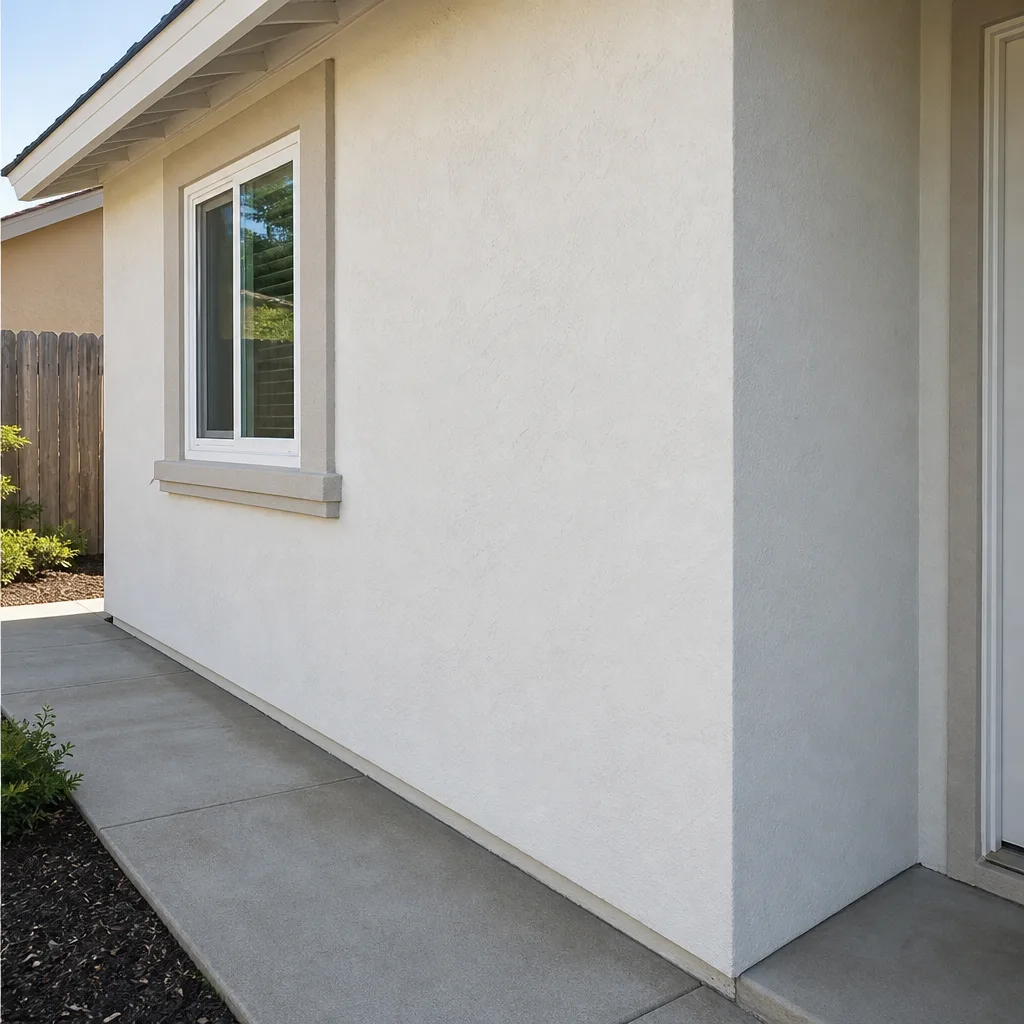
 After
After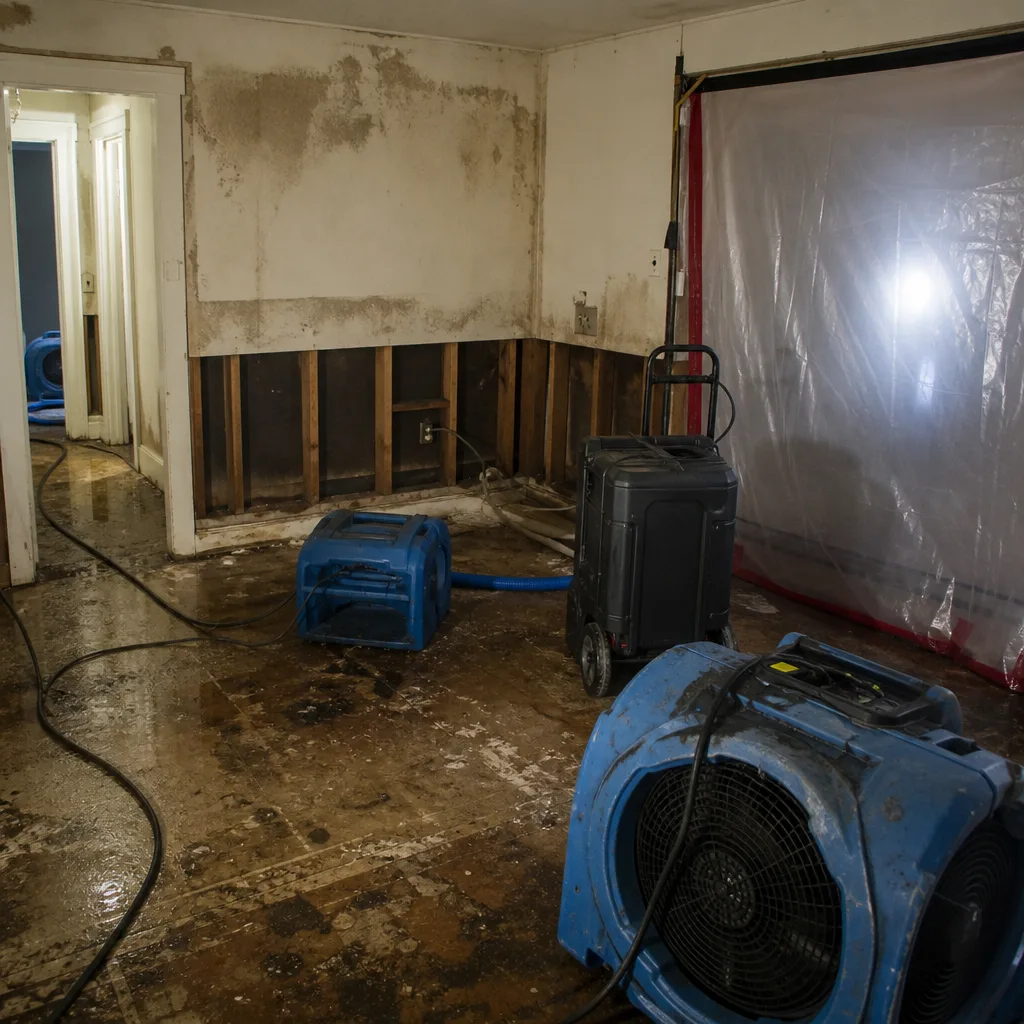 Before
 After
After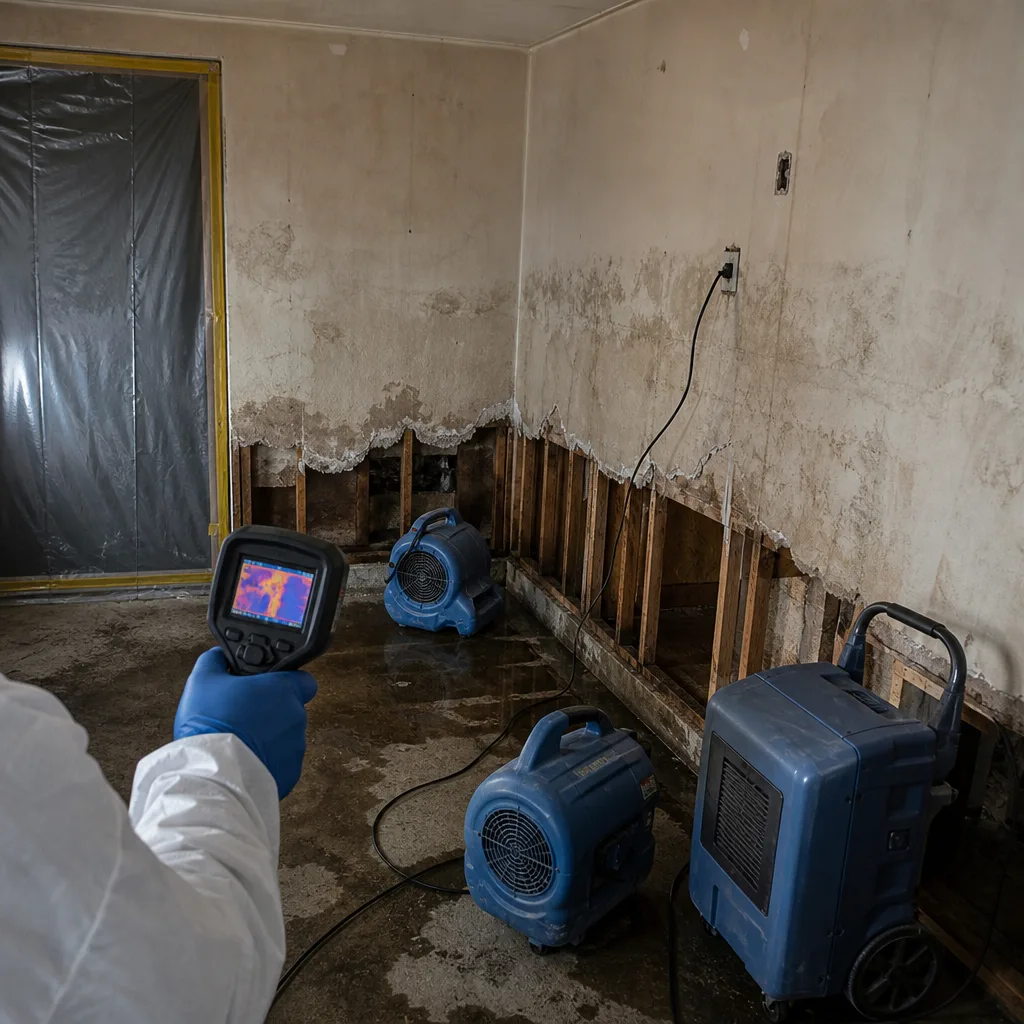 Before
 After
After