
Last updated October 16, 2026
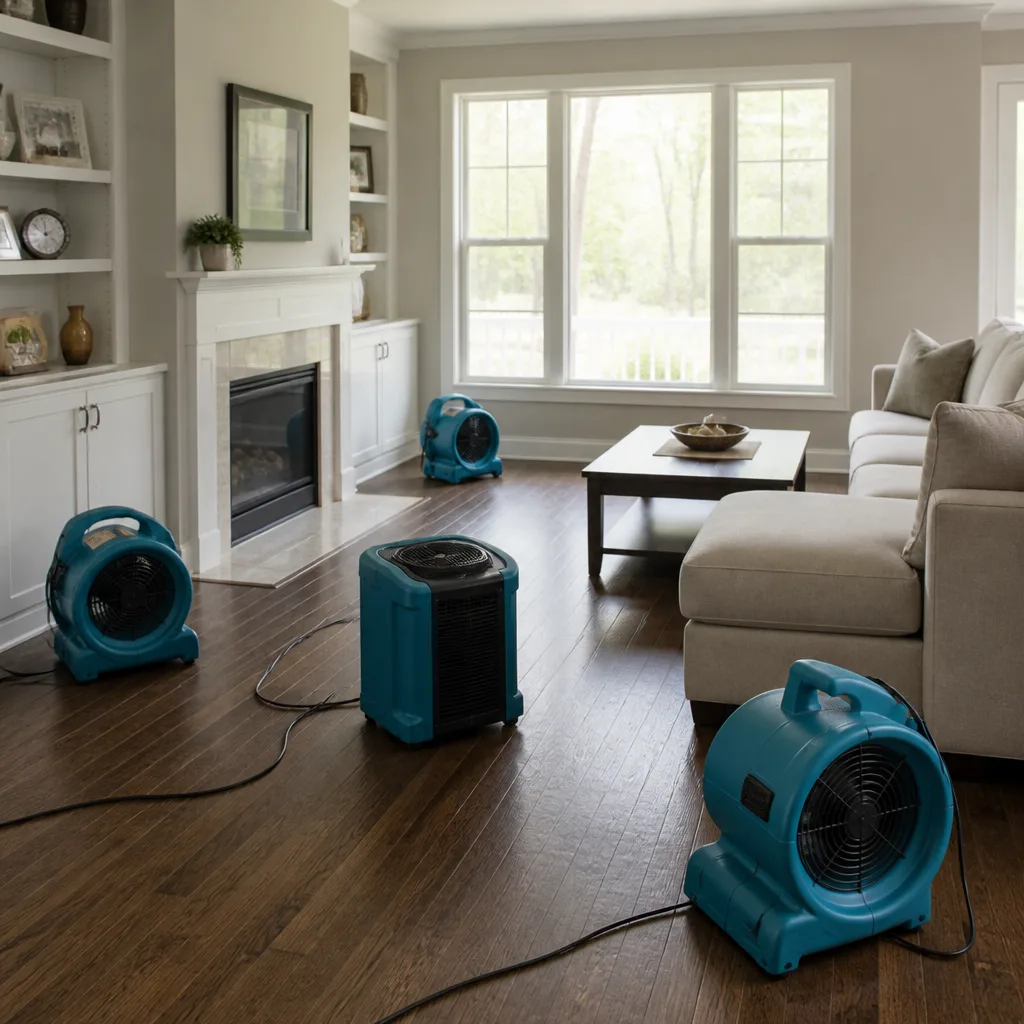 Water damage drying
 Fire & smoke cleanup
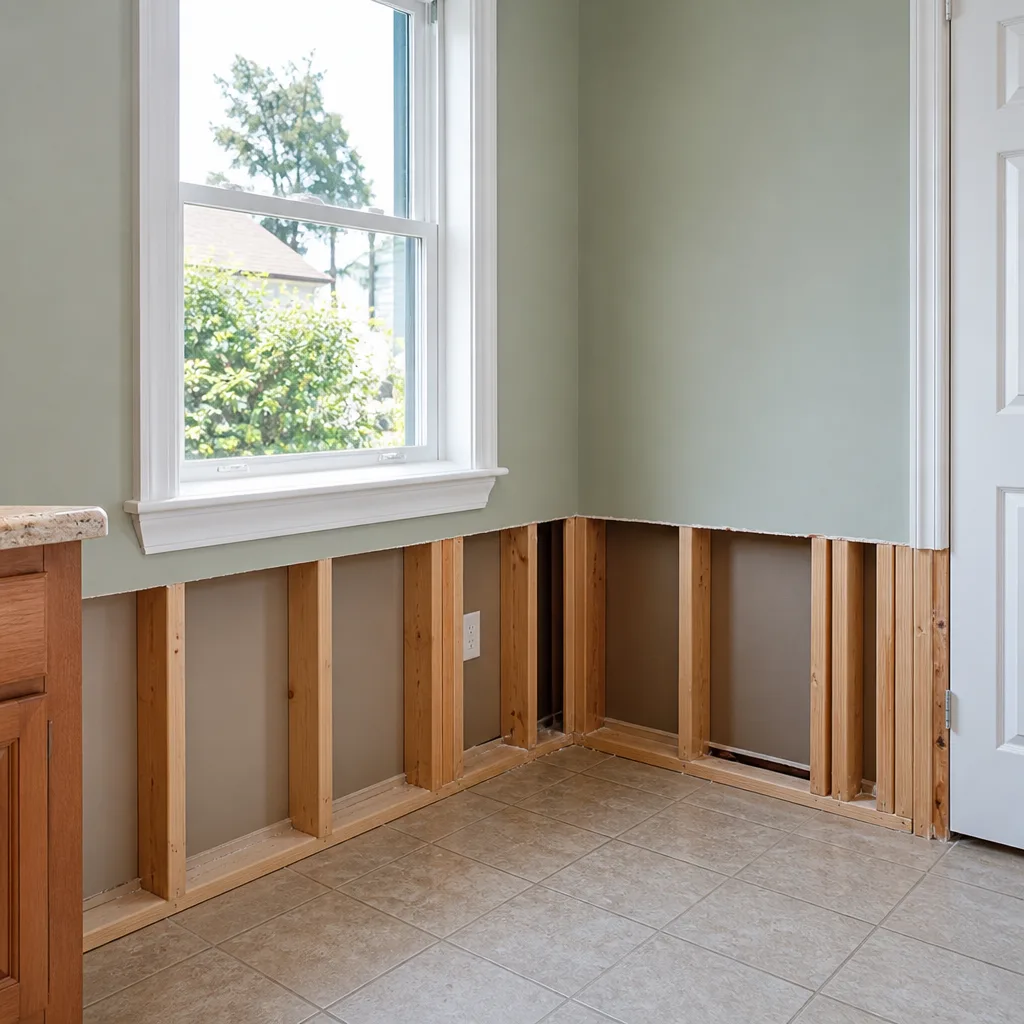 Mold remediation
 Storm response
 Sewage cleanup
 Reconstruction
Free visual inspection and a written scope of work before any mitigation begins - photos, moisture readings, and drying logs go in your claim file
The scope we write is the scope we bill. Anything new gets shown to you, in writing, before we touch it.
Get your free estimateSeasonal Damage Restoration Care for Sacramento: Year-Round Homeowner’s Guide
Sacramento averages 20 inches of rain per year, nearly all of it compressed into a 90-day window between December and February. But the water damage events that follow a dry summer, when soil has contracted away from foundations, are just as common as storm surge damage and far less expected. Most Sacramento homeowners protect against the obvious winter storm. This guide walks through four distinct seasonal pressure windows that each create a different kind of water intrusion risk, and assigns a specific protection action to each one. For a broader overview, see our Complete Guide to Damage Restoration in Sacramento. By the end, you’ll have a year-round inspection rhythm that matches how Sacramento actually behaves, not how a generic national guide assumes it does.
Restoration work we handle
Quick Answer
Sacramento’s water damage risk follows four seasonal windows: fall soil rehydration, winter atmospheric rivers, spring Sierra snowmelt, and summer irrigation. Each window requires a different inspection focus, and homeowners who only prepare for winter storms miss the three other seasons when moisture finds its way into foundations, crawl spaces, and walls. This guide provides a seasonal checklist and a documentation log for each window.
Table of Contents
- Fall (October-November): The Soil Rehydration Window
- Winter (December-February): Atmospheric River and Roof Load Season
- Spring (March-April): Sierra Snowmelt and Rising Water Tables
- Summer (May-September): Irrigation Damage and Foundation Moisture
- Keeping a Seasonal Log That Insurance Adjusters Respect
- Common Mistakes to Avoid
- When to Call a Professional
- Frequently Asked Questions
- The Bottom Line
Fall (October-November): The Soil Rehydration Window
The first three heavy rains after Sacramento’s dry season are the highest foundation intrusion risk of the entire year, and almost nobody talks about it. Here’s what happens: from May through September, Sacramento’s clay-heavy soil bakes under consistent heat and loses moisture. The soil contracts. It pulls away from foundation walls, leaving a gap that can be anywhere from a quarter inch to over an inch wide. When the first substantial rain arrives in October or November, water runs straight down that gap before the soil has a chance to swell and seal it. The result is water pressing directly against the foundation, finding its way into basements, crawl spaces, and slab edges.
In our experience with Sacramento homes, the telltale signs show up within 48 to 72 hours after that first heavy rain. A damp crawl space that was dry all summer. Moisture staining on the interior side of a foundation wall. A musty smell in a room that shares a wall with the exterior. What makes this window tricky is that homeowners tend to dismiss it. “It’s just the first rain,” they think. “It’s not even storm season yet.” But the soil behavior makes the first rains the most dangerous, not the least.
What to Inspect Before the First Heavy Rain
- Walk the perimeter of your foundation. Look for visible gaps between soil and foundation walls. Even a half-inch gap at the base of a slab is enough to channel rainwater downward. If you see gaps, regrade the soil so it slopes away from the house at least six inches over the first ten feet.
- Check downspout extensions. Downspouts should carry water at least five feet away from the foundation. If yours dump water at the corner of the house, the first heavy rain will pour directly into the soil gap you just inspected.
- Clear gutters before the leaves fall. Sacramento’s tree canopy drops leaves in October and November. A clogged gutter overflows during the first storm and sends a curtain of water down the wall, saturating the exact soil that has contracted away from the foundation.
- Check crawl space vents. If your home has a vented crawl space, make sure vents are clear and the vapor barrier is intact. A torn barrier plus saturated soil equals elevated crawl space humidity that leads to mold before you even notice a problem.
- Test your sump pump if you have one. Pour a bucket of water in the pit and confirm it discharges properly. Sacramento homes in lower-lying neighborhoods like Pocket and Greenhaven rely on sump pumps that have been idle since spring.
These are simple steps, but they address the specific mechanism that causes fall water intrusion in Sacramento. The goal is not to over-engineer. It’s to close the gap, literally and figuratively, before the first storm turns it into a channel.
Winter (December-February): Atmospheric River and Roof Load Season
Sacramento’s winter storms arrive as atmospheric rivers: long, narrow bands of moisture that stall over Northern California and deliver days of continuous rain. The difference between a normal winter storm and an atmospheric river is duration. A normal storm moves through in a few hours. An atmospheric river can sit over Sacramento for three to five days, saturating roofing materials, flashing, and stucco until small failures become active leaks.
The two most common Sacramento roof types handle multi-day saturation differently. Composition shingle roofs are the most common in the region’s suburban neighborhoods. They shed water well under normal conditions, but their vulnerabilities appear at valleys, pipe boots, and chimney flashing, all of which rely on sealants that degrade under UV exposure during Sacramento’s intense summers. Tile roofs, common in older East Sacramento and Land Park homes, have a different weakness: the underlayment. Tile itself is waterproof, but the felt or synthetic underlayment beneath it ages. When an atmospheric river delivers sustained rain, wind can drive water up under tiles and expose degraded underlayment that never sees water during a normal storm.
Flashing Points Most Likely to Fail
- Chimney flashing where the chimney meets the roofline. Sacramento’s temperature swings from summer to winter cause expansion and contraction that cracks old sealant.
- Valley flashing where two roof planes meet. Debris from Sacramento’s street trees accumulates in valleys and holds water against the flashing for days.
- Pipe boot flashing around plumbing vents. The rubber boot degrades from heat exposure and splits under the first freeze-thaw cycle of the season.
- Skylight flashing, especially on homes with older skylights installed before modern flashing standards.
- Wall-to-roof intersections where a second story meets a lower roof plane. Step flashing here is often the first point to leak during a prolonged storm.
If you notice water staining on ceilings during or after an atmospheric river event, the leak is rarely directly above the stain. Water travels along rafters and joists before finding a path downward. That’s why our Water Damage Restoration in Sacramento work begins with tracing the tide mark, the line water leaves on building materials that shows exactly where it traveled. Finding where water went, not just where it ended up, is what determines whether a repair actually solves the problem or just dries the symptom.
Winter Interior Checks
- Monitor ceiling stains weekly. During an atmospheric river, check ceilings and upper wall corners every few days. Early detection limits the spread.
- Check window sills and door thresholds. Wind-driven rain finds gaps in weatherstripping and caulking that normal rain never touches.
- Listen for dripping in walls. If you hear water moving inside a wall during a storm, that’s not normal. Document it and plan for an assessment.
- Watch for bubbling paint or swollen drywall. These indicate water has already saturated building material, even if no visible drip has appeared.
Spring (March-April): Sierra Snowmelt and Rising Water Tables
Here’s a Sacramento-specific water risk that surprises almost every new homeowner: the Sacramento Valley’s water table rises in spring even when the city hasn’t seen rain in weeks. The Sierra Nevada snowpack, which often peaks in March, melts and flows into the Sacramento and American River watersheds. That water doesn’t just move through rivers. It recharges groundwater across the valley floor, and in lower-lying Sacramento neighborhoods, that means the water table creeps upward during April and May.
What does a rising water table mean for a home? For homes with basements, the answer is direct: groundwater can enter through floor cracks, wall joints, and sump pits at a rate that has nothing to do with rainfall. For homes with crawl spaces, the impact is less visible but equally real: soil moisture increases, humidity in the crawl space climbs, and what dried out in February becomes damp again in April. If your crawl space has a torn or missing vapor barrier, that moisture rises into living spaces as elevated humidity, which feeds mold on floor joists and subflooring.
This is the season when we see a spike in Sacramento homes with crawl space condensation. Homeowners notice the smell first. The air smells earthy or musty, especially in rooms above the crawl space. Sometimes they notice cupping or warping in hardwood floors, which is the wood responding to moisture from below. None of this requires a single drop of rain in Sacramento. The water comes from snowmelt hundreds of miles east.
Spring Crawl Space and Moisture Checks
- Inspect the crawl space vapor barrier. It should cover the entire soil floor and run up the foundation walls at least six inches. Seams should overlap and be taped or otherwise secured.
- Look for standing water or saturated soil. In spring, these indicate a high water table issue, not a plumbing leak. Knowing the difference changes the fix.
- Check humidity levels. A crawl space above 60% relative humidity in spring will grow mold on exposed wood. Consider a dehumidifier if levels stay consistently high.
- Inspect floor joists and subflooring. Look for dark staining, white powdery residue, or soft spots, all early indicators of moisture-driven deterioration.
- Confirm sump pump operation again. Spring groundwater is a different load than winter rainwater. The pump needs to cycle correctly.
Sacramento’s spring is also the season when homeowners open windows and air out the house, which makes it the ideal time to catch crawl space problems before summer heat accelerates mold growth. Mold that would have stayed dormant in a cool crawl space throughout winter becomes active in spring’s warmer, wetter conditions. That’s why we recommend scheduling a Mold Remediation in Sacramento assessment in late spring if you notice any of the signs described above. Early detection in April costs less than remediation in July.
Summer (May-September): Irrigation Damage and Foundation Moisture
Summer in Sacramento seems like the season when water damage takes a break. The rain stops, the days stretch long and dry, and most homeowners turn their attention away from moisture concerns. But the opposite is true for Sacramento slab foundations. Summer is when irrigation systems run daily, and a surprising share of Sacramento foundation and slab moisture events trace back to irrigation head placement and overwatering patterns near the foundation.
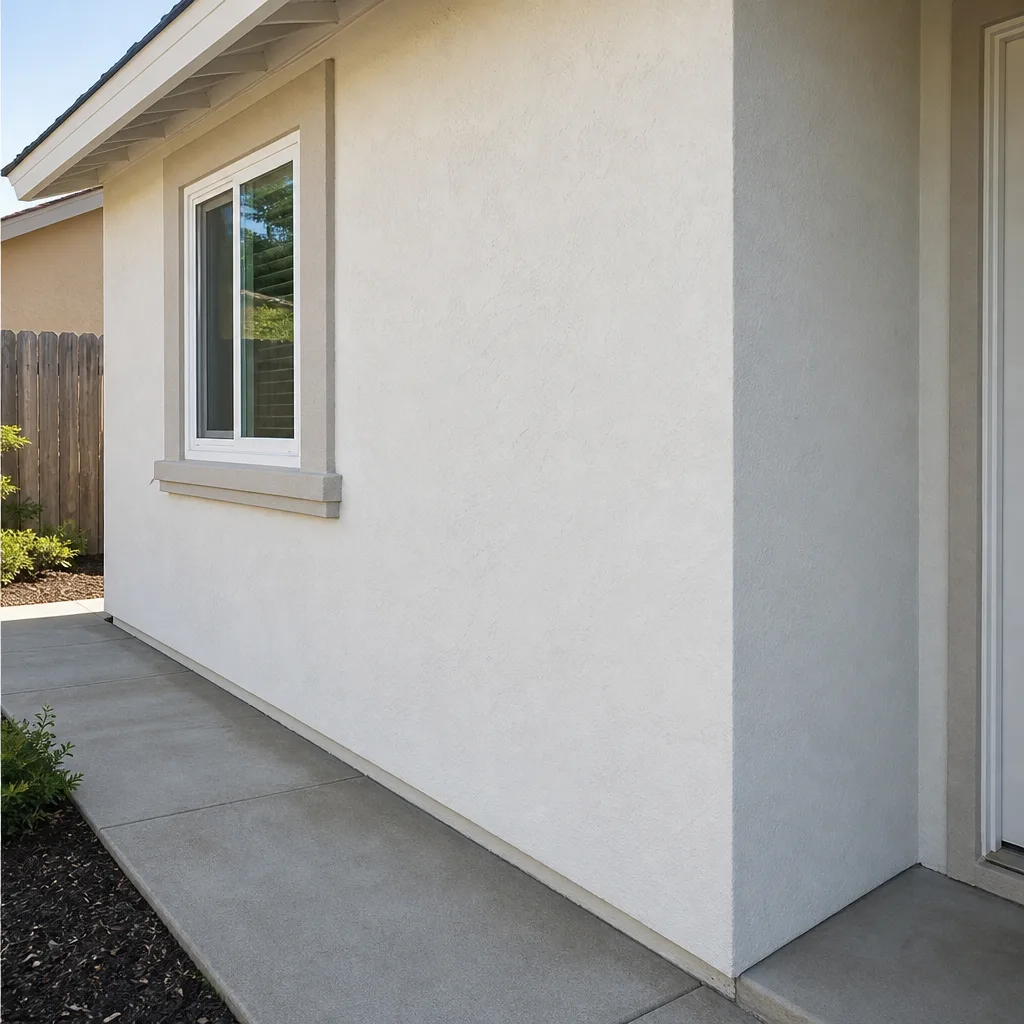
Here’s the mechanism: sprinkler heads installed too close to the house spray water against the foundation wall or the stucco every single day. Over a Sacramento summer, that’s 120 to 150 days of continuous moisture application to the same spot. Stucco absorbs water. Foundation concrete is porous. The soil at the base of the wall stays consistently saturated while the rest of the yard dries out. This creates differential movement: the saturated soil swells and pushes, while the dry soil contracts. Over time, this repeated cycle contributes to slab stress, exterior wall staining, and the kind of water intrusion that shows up as mold on baseboards behind furniture, where homeowners rarely look.
Drip irrigation, while more water-efficient for plants, creates a different risk when emitters are placed against the foundation. Drip lines release water slowly and deeply, which means water can travel along the foundation’s exterior surface and find its way into small cracks before it ever reaches the surface as visible runoff. This is the sneakiest form of Sacramento summer water damage, because there is never any standing water or obvious leak.
Summer Irrigation Audit Steps
- Walk the entire foundation perimeter while the irrigation runs. Watch for any sprinkler head that sprays water onto the foundation, stucco, or siding. Adjust or relocate any head that does.
- Check drip emitters against the foundation. Move any emitter that sits within twelve inches of the foundation wall. The goal is to keep constant moisture away from the structure’s exterior.
- Inspect the soil at the foundation base. In summer, soil should be dry. If it’s damp or mud-caked while the rest of the yard is dry, you’ve found an irrigation problem.
- Look for efflorescence. White chalky residue on foundation walls or concrete surfaces says water is moving through the material and depositing minerals as it evaporates. It’s a silent signal of persistent moisture.
- Check valve boxes for leaks. Irrigation valve boxes located near the house can leak underground for months before anyone notices. A valve box that is wet, muddy, or overgrown is leaking.
Beyond irrigation, summer heat itself creates moisture risk in a different way: air conditioning condensate lines. During Sacramento’s hottest months, AC units run constantly and produce gallons of condensate daily. If the condensate drain line clogs or disconnects, that water pools near the foundation or drains into wall cavities. Check condensate lines monthly during summer and make sure they drain away from the structure.
Our role in Sacramento water damage starts when moisture has already found its way in. The Tidemark Water Damage Sacramento home page explains our process from first call to final walkthrough. But we would rather help you prevent the problem than fix it, and summer irrigation audits are the single highest-leverage prevention step most Sacramento homeowners never take.
Keeping a Seasonal Log That Insurance Adjusters Respect
One of the most valuable things a Sacramento homeowner can do for themselves is keep a simple seasonal inspection log. For what restoration may cost if damage occurs, see our Sacramento cost breakdown. It doesn’t need to be elaborate. A notebook, a spreadsheet, or a notes app all work. What matters is consistency and specificity. The log serves two purposes: it keeps you on schedule so seasonal inspections actually happen, and it becomes supporting documentation if water damage occurs and you need to file an insurance claim.
Insurance adjusters respond to documentation. When a homeowner can say, “I inspected the downspouts on October 12 and they were functional, and here’s a photo,” the claim conversation shifts. You are no longer describing damage after the fact. You are demonstrating a pattern of reasonable maintenance, which is exactly what insurance policies expect from homeowners. A log with dates, observations, photos, and actions taken turns a vague damage report into a verifiable timeline.
What to Record in Each Entry
- Date and season. The log only works if you can show continuity across the year.
- What you inspected. Be specific: “downspout extensions at southeast and northwest corners,” not “gutters.”
- What you observed. Note both normal and abnormal findings. A clear inspection is also evidence.
- Photos. Document normal conditions, not just problems. Before photos prove the baseline.
- Actions taken. Even small repairs matter. “Adjusted sprinkler head 18 inches from foundation” shows diligence.
- Follow-up needed. Any item you flag but don’t fix immediately should appear on the next entry as resolved or escalated.
We’ve seen this log make the difference between a straightforward claim and a disputed one. When a homeowner in Sacramento called us after a winter storm, their seasonal log showed photos of clean gutters from November and a clear crawl space inspection from October. The insurance adjuster processed the claim without dispute because the maintenance record established that the damage was not the result of neglect. The log is not just a homeowner’s tool. It’s an insurance asset.
Common Mistakes to Avoid
- Preparing only for winter storms. Sacramento’s four seasonal windows each create distinct risks. A homeowner who only worries about December through February is undefended for nine months of the year.
- Ignoring the first heavy rain after summer. The soil gap around foundations makes October and November rains more dangerous than mid-winter storms for foundation intrusion. The first rain is the one to prepare for.
- Assuming no rain means no water risk. Spring groundwater from Sierra snowmelt and summer irrigation both deliver moisture without a drop of Sacramento rain. This is the most common blind spot we encounter.
- Placing sprinkler heads too close to the foundation. Daily summer irrigation against a foundation wall creates the same moisture load as a minor plumbing leak, but it runs for months before anyone notices.
- Disconnecting downspouts without extending them. A downspout that dumps water at the foundation corner is directing water into the soil gap that forms every summer. Extensions are cheap; foundation repairs are not.
- Ignoring crawl space humidity. Elevated crawl space humidity in spring is an early warning of mold and structural issues. Addressing it in April prevents a remediation project in August.
- Skipping documentation. If you don’t keep a seasonal log, you lose both the maintenance habit and the evidence trail that protects you during an insurance claim.
When to Call a Professional
Some seasonal water issues need a professional assessment, not a homeowner’s inspection. Call a restoration company when you find active water intrusion that has reached building materials like drywall, insulation, subflooring, or framing. Call when you notice visible mold growth larger than a few square inches, or when you smell persistent mustiness that you cannot locate. Call when water has been in contact with electrical outlets, fixtures, or wiring. And call when your insurance company requires a professional assessment before processing a claim. Tidemark Water Damage Sacramento offers free estimates in Sacramento, call (279) 277-2396 and a live person answers, day or night.
For fire-related seasonal risks, like chimney fires from winter fireplace use or electrical fires from overloaded circuits, our Fire Damage Restoration in Sacramento service handles the full scope from board-up to rebuild. The seasonal guide here focuses on water, but fire risk follows its own seasonal pattern in Sacramento, peaking in winter with heating and fireplace use and again in summer with electrical load strain.
Frequently Asked Questions
Sacramento has four distinct seasonal water risk windows: fall soil rehydration, winter atmospheric rivers, spring Sierra snowmelt-driven groundwater, and summer irrigation. Each creates different intrusion mechanisms, and homeowners who prepare only for winter storms miss three active risk seasons.
Before the first substantial October or November rain, walk your foundation perimeter to identify soil gaps, clear gutters, extend downspouts at least five feet from the house, inspect crawl space vapor barriers, and test your sump pump. These steps close the soil gap channel that makes first rains so dangerous.
Spring dampness in Sacramento crawl spaces typically comes from Sierra snowmelt recharging the valley’s groundwater, which raises the local water table. Homes in lower-lying areas experience elevated soil moisture and crawl space humidity in April and May without any local rainfall.
Perform a full irrigation audit once at the start of summer and spot-check monthly. Watch for sprinkler heads spraying the foundation, drip emitters within twelve inches of the structure, damp soil at the foundation base when the rest of the yard is dry, and wet valve boxes indicating underground leaks.
Yes. A seasonal log with dated entries, observations, photos, and maintenance actions demonstrates reasonable homeowner diligence, which insurance policies require. Adjusters process claims faster and with fewer disputes when homeowners can present a documented maintenance pattern rather than a post-damage description.
Call when water has reached building materials like drywall or subflooring, when you see mold larger than a few square inches, when water has contacted electrical components, or when your insurance company requires professional documentation. Tidemark answers calls 24/7 at (279) 277-2396 and provides a written price before any work starts.
The Bottom Line
Sacramento’s water damage risk does not follow a simple wet-dry calendar. It moves through four seasonal pressure windows: fall soil rehydration that channels first rains into foundation gaps, winter atmospheric rivers that test roofs and flashing over multiple days, spring snowmelt that raises groundwater without a drop of local rain, and summer irrigation that quietly saturates foundations for months. Each window has a specific inspection focus, and together they form a year-round rhythm that keeps a home defended. This guide gives you the schedule, the checklists, and the documentation habit. For more guides & resources on protecting your home, visit our blog. If moisture finds its way in despite your best efforts, a live person answers at (279) 277-2396, and you will see a written price before any work begins.
Written by Rick Sumner, Owner at Tidemark Water Damage Sacramento, serving Sacramento since 2006.
See the difference
 Before
 After
After Before
 After
After Before
 After
After